
سماعات الاذن
وفر 57%! اشترِ سماعات الاذن بسعر 163.2 د.ل فقط في ليبيا. متوفر حالياً، الدفع عند
🛒 تسوق الآن Libya Press
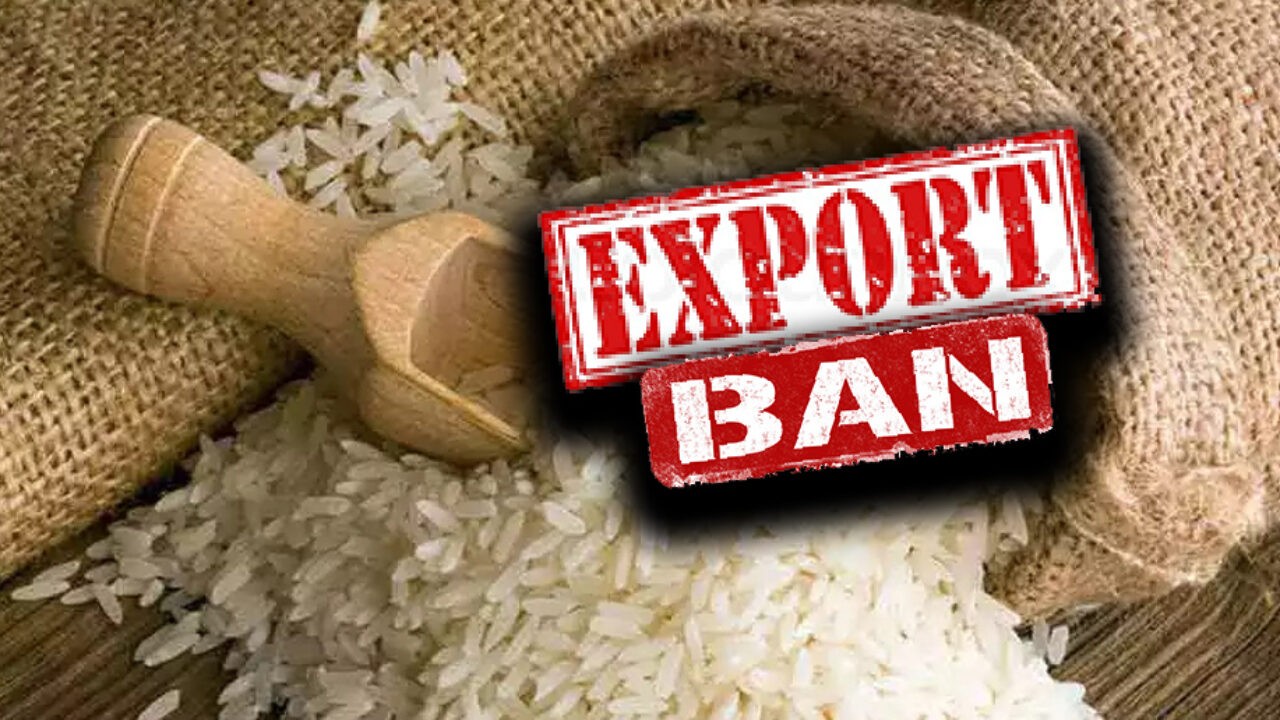
Libya's date export sector is facing a mounting crisis as industry leaders warn that the continued ban on overseas shipments could permanently damage the country's position in global markets. Ibrahim Nasr, a board member of the General Union of Date Exporters, issued a stark warning about the consequences of the export restriction, which has already left more than 4,000 tons of premium Libyan dates stranded without to international buyers.
The ban, which has disrupted shipments to key markets across North Africa and the Middle East, is pushing date producers toward financial collapse. Nasr emphasized that every day the restriction remains in place, Libyan exporters lose ground to competing suppliers from Saudi Arabia, the UAE, and Tunisia, who are aggressively filling the supply gap left by Libya's absence.
According to industry figures, Libya's date exports generated an estimated $120 million in revenue during peak years. However, production volumes have declined by nearly 35% over the past decade due to infrastructure damage, water scarcity, and political instability. The export ban now threatens to accelerate this downward trajectory.
The economic impact of export restrictions extends far beyond farming communities. According to the OECD, export bans on agricultural products create significant distortions in resource allocation, reduce international trade competitiveness, and hinder long-term economic development. The organization has repeatedly cautioned developing economies against using export restrictions as policy tools.
Research from the Centre for Economic Policy Research (CEPR) further demonstrates that such measures often produce unintended consequences, including the growth of black market trade, loss of foreign currency earnings, and diminished investor confidence. For Libya, a country already struggling to diversify its oil-dependent economy, losing a valuable agricultural export stream carries particularly severe implications.
For Mohamed Bashir, a date farmer in the Jufra region who cultivates 500 palm trees, the export ban has turned a livelihood into a struggle. "We spent years building relationships with buyers in Morocco and Turkey. Now they have moved to other suppliers, and we cannot reach them," Bashir told LibyaPress. "My family depends entirely on this harvest, and every season we lose money because the dates cannot leave the country."
Bashir's story reflects the experience of thousands of farming families across Libya's date-producing regions, from the coastal city of Zliten to the inland oases of the Jufra and Sabha areas.
The date sector represents one of Libya's most promising opportunities for economic diversification away from oil dependency. Agriculture accounts for approximately 12% of Libya's GDP and employs nearly 18% of the workforce, making it a critical pillar of any post-conflict economic recovery strategy.
Analysts warn that if the export ban remains unresolved, Libya could permanently lose its position as a top-10 global date exporter — a ranking the country held just five years ago. The Libya Press economic desk has documented a growing consensus among trade experts that resolving export restrictions should be a priority for any government seeking to attract foreign investment and rebuild international commercial relationships.
Industry leaders are calling on the government to establish a dedicated export facilitation office, streamline customs procedures for agricultural goods, and negotiate bilateral trade agreements with key importing nations. Nasr stated that the General Union of Date Exporters is prepared to work directly with authorities to develop a transparent export framework that benefits national economy.
The international community, including organizations such as the Food and Agriculture Organization, has previously supported Libya's agricultural development programs. Renewed engagement with these partners could provide both technical assistance and market access opportunities that help Libya's date sector recover and grow.
For Libyan date exporters, the message is clear: the time to act is now, before irreplaceable market relationships are lost forever.
— LibyaPress / Economy Desk
===END_ENGLISH===