
مزيل الرؤوس السوداء
وفر 25%! اشترِ مزيل الرؤوس السوداء بسعر 206.6 د.ل فقط في ليبيا. متوفر حالياً، ال
🛒 تسوق الآن Libya Press
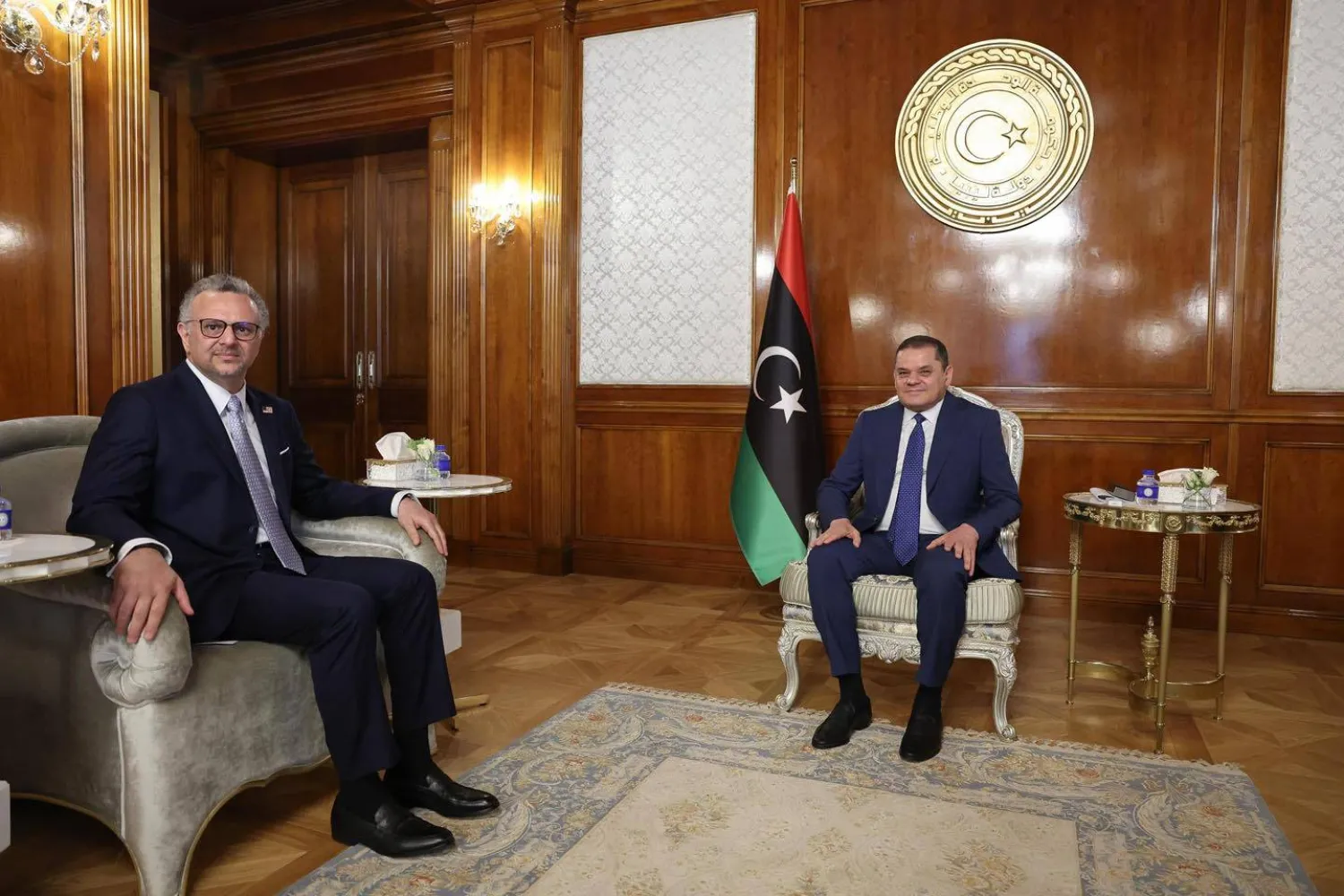
Prime Minister Abdulhamid Dbeibah has held extensive high-level discussions with Pauls to critically evaluate the current trajectory of Libya's political and economic environment. The meeting focused on stabilizing the nation's financial systems and navigating the complex political impasse that continues to challenge the efficiency of governance in Tripoli and beyond.
These talks come at a pivotal moment as the Government of National Unity (GNU) seeks to consolidate its authority while facing pressure from various internal factions. The primary objective is to ensure that the state remains functional and capable of delivering essential services to a population weary of systemic instability.
Central to the discussions was the urgent need for a unified political framework that can be accepted by all major stakeholders. Dbeibah emphasized that sustainable economic growth cannot be achieved in a vacuum; it requires a clear, agreed-upon roadmap for national elections and a structured transition to a stable, legitimate administration that enjoys broad domestic support.
Sources indicate that the dialogue focused heavily on bridging the gap between competing political factions to prevent further fragmentation of state institutions. This fragmentation has historically hindered international investment, created legislative paralysis, and slowed the implementation of critical infrastructure projects across the country.
Furthermore, the discussions touched upon the role of the High National Elections Commission (HNEC) and the necessity of updating voter registries and legal frameworks to ensure that the next electoral cycle is transparent and inclusive, minimizing the risk of post-election disputes.
The economic agenda centered on a strategic shift toward diversifying Libya's revenue streams to reduce the perilous over-reliance on oil exports. Dbeibah highlighted the necessity of implementing structural reforms to combat rising inflation, which has severely eroded the purchasing power of the average Libyan citizen.
The Prime Minister's office stressed that the current economic model is unsustainable in the long term, especially with the volatility of global energy markets. The focus must shift toward supporting local industries, agriculture, and the private sector to create a more resilient national economy.
The meeting underscored the critical importance of continued international support in maintaining the current ceasefire and bolstering the democratic process. Pauls and Dbeibah discussed the nuanced role of external partners in ensuring that political transitions remain inclusive and reflect the authentic will of the Libyan people rather than external interests.
International observers note that such high-level engagements are critical for ensuring that Libya does not slide back into systemic instability. This is particularly vital as global energy markets continue to view Libya as a key player in Mediterranean oil and gas production, making regional stability a matter of global energy security.
Both parties agreed that diplomacy must remain the primary tool for resolving disputes, with a strong emphasis on the "Libyan-led, Libyan-owned" process to avoid the pitfalls of foreign intervention that have characterized previous transition attempts.
Ultimately, the goal of these consultations is to translate high-level political agreements into tangible, daily improvements for the average citizen. From stabilizing the volatile exchange rate of the Libyan Dinar to ensuring a consistent and reliable electricity supply during the peak summer months, the economic landscape remains the primary concern for millions.
The Prime Minister reaffirmed his commitment to transparency and inclusive governance, stating that the only viable path toward a prosperous future is one where every Libyan, regardless of their city or political affiliation, has access to quality healthcare, education, and employment opportunities.
— Libya Press / Politics Desk