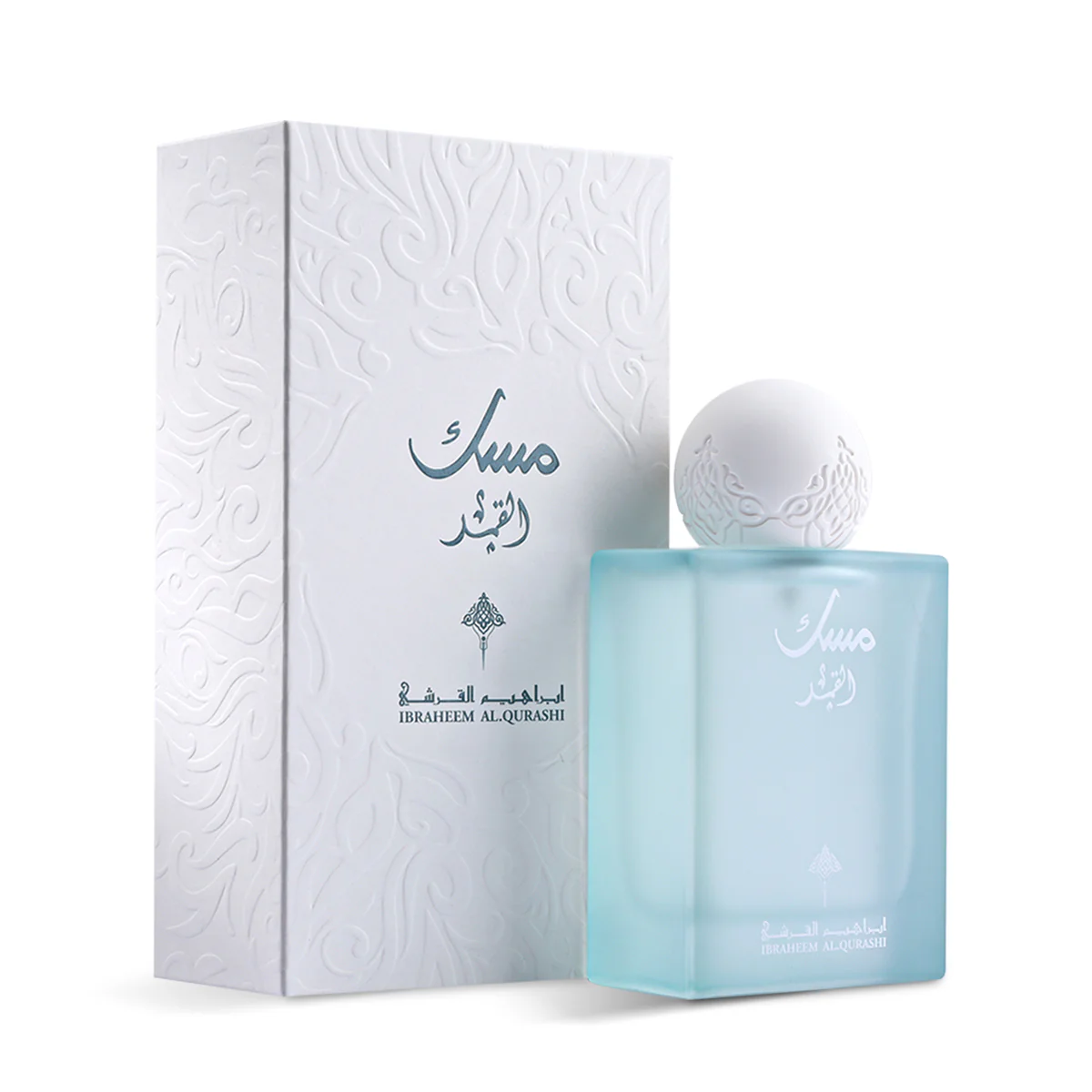
عطر المسك
وفر 25%! اشترِ عطر المسك بسعر 218.5 د.ل فقط في ليبيا. متوفر حالياً، الدفع عند ال
🛒 تسوق الآن Libya Press
Libya and the Republic of Ghana have officially reaffirmed their commitment to enhancing bilateral diplomatic relations by focusing on the activation of parliamentary cooperation. This strategic maneuver is designed to bridge legislative gaps and foster a more resilient political partnership between the two African nations, moving beyond symbolic gestures toward tangible policy alignment.
The move comes at a critical juncture for the African continent, where parliamentary diplomacy is increasingly viewed as a primary tool for fostering regional integration and ensuring long-term stability. By aligning their legislative frameworks, Libya and Ghana aim to create a blueprint for North-South cooperation within Africa.
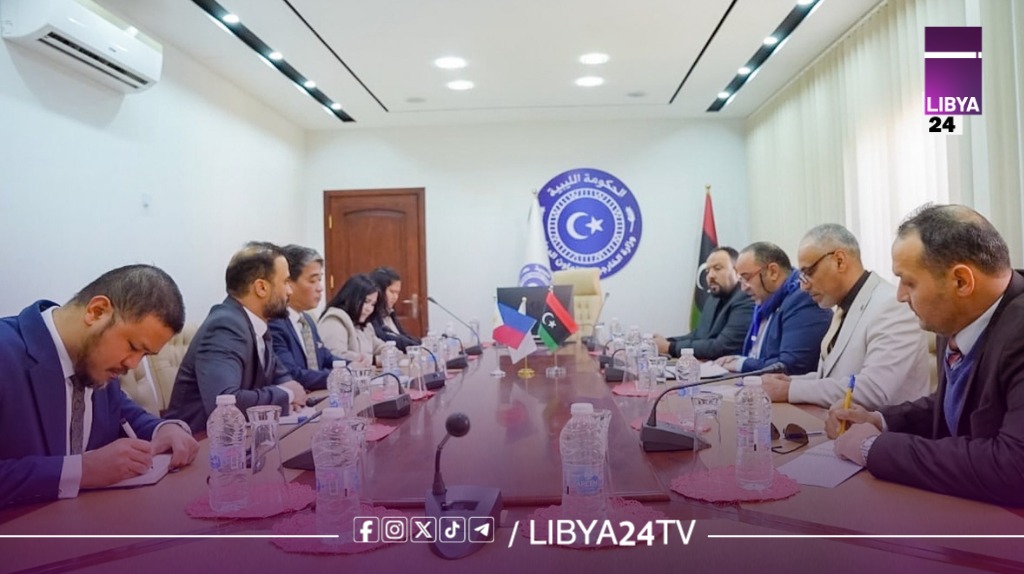
On Tuesday, July 7, the President of the High Council of State, Dr. Mohammed Takala, hosted a high-level diplomatic delegation from the Republic of Ghana. The visit was led by Member of Parliament Felicia Adgy, a prominent figure in the Ghanaian parliament who serves on key specialized committees, signaling Ghana's serious intent to deepen its engagement with Libyan state institutions.
The meeting was attended by the First Deputy of the High Council, Engineer Hassan Habib, and Council member Ibrahim Sahd. The discussions were characterized by a shared goal: moving from the abstract language of diplomatic treaties to a concrete, operational framework for parliamentary cooperation.
Participants emphasized that the current political landscape in Libya requires a diversification of international partnerships, with West Africa representing a key frontier for economic and political synergy. The presence of the Ghanaian delegation underscores a growing international confidence in Libya's capacity to resume its role as a regional leader.
The primary ambition of this partnership is to establish a structured, recurring exchange of legislative expertise and governance frameworks. Both delegations agreed that the "activation" of cooperation must involve practical steps that yield measurable results in governance and administration.
This engagement is a tactical piece of a larger strategy by the High Council of State to rebuild Libya's diplomatic architecture. After years of internal volatility, the focus has shifted toward "diversified diplomacy," reducing reliance on traditional partners and building new bridges across the continent.
By engaging Ghana, a stable and democratic leader in West Africa, Libya is not only seeking economic benefits but also political legitimacy and support for its internal reform processes. This "South-South" cooperation is intended to create a shield of mutual support against external pressures.
Political analysts suggest that a strengthened axis between North Africa (Libya) and West Africa (Ghana) could provide a necessary stabilizing force for the volatile Sahel region. The Sahel has long suffered from a vacuum of authority and a lack of coordinated regional governance.
When parliamentary bodies align, they create a stable foundation for executive agreements. A successful Libya-Ghana partnership could serve as a model for other African nations, proving that legislative cooperation can facilitate larger economic and security treaties.
Ultimately, the visit of MP Felicia Adgy and her delegation is a potent signal. It demonstrates that Ghana views Libya not as a zone of instability, but as a partner with untapped potential. This shift in perception is essential for Libya's reintegration into the African diplomatic fold.
— Libya Press / Politics Desk