
عبوة من 12 لاصقة لعلاج عرق النسا
وفر 18%! اشترِ عبوة من 12 لاصقة لعلاج عرق النسا بسعر 189 د.ل فقط في ليبيا. متوفر
🛒 تسوق الآن Libya Press
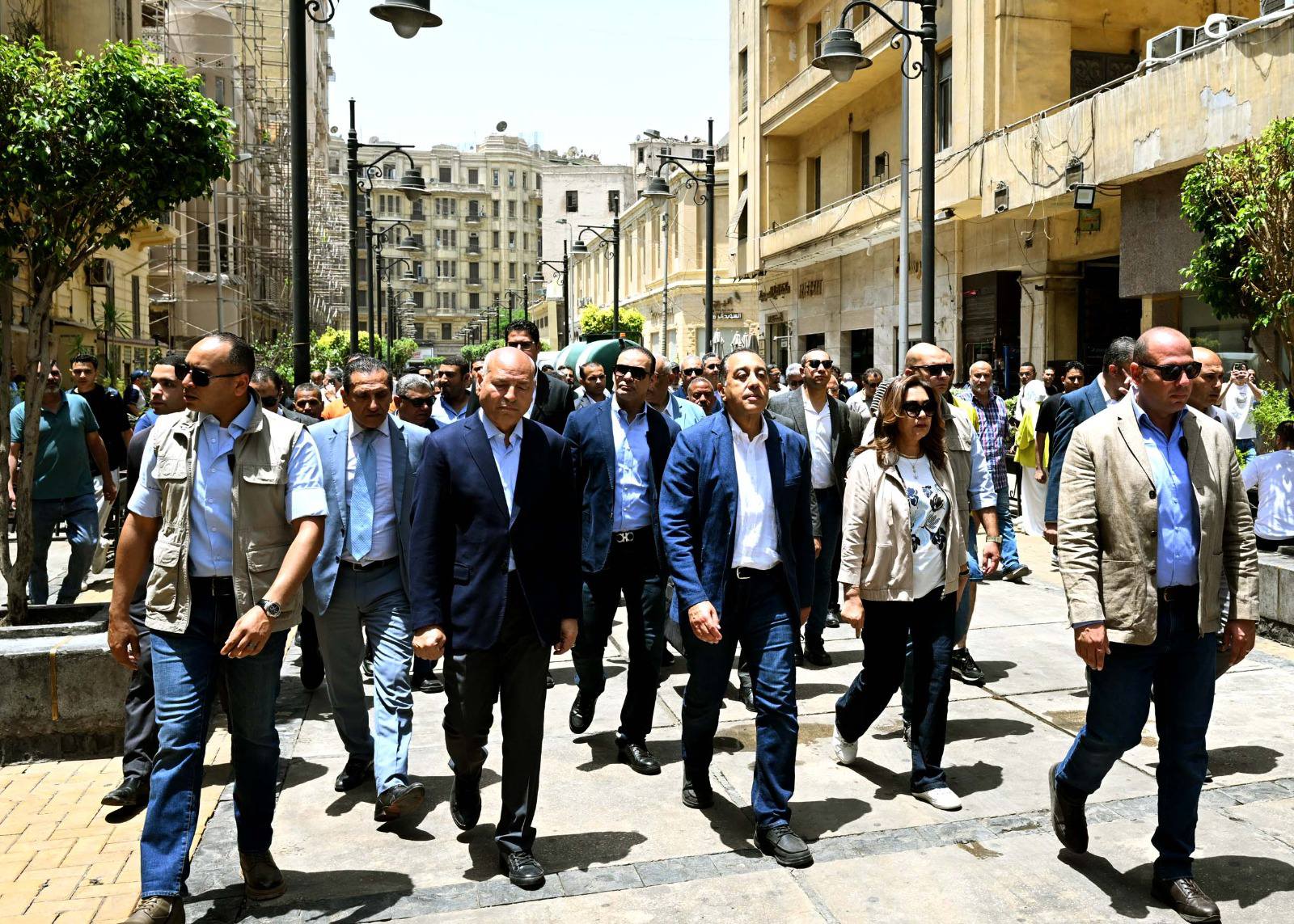
Egyptian Prime Minister Mostafa Madbouly on Saturday launched the "Art Street" initiative in the Bourse Triangle and Sherifein Street area of downtown Cairo, marking a major step in the government's ambitious plan to revitalize the historic Khedival Cairo district. The initiative transforms public spaces into open platforms for artistic expression, featuring painting, music, singing, dance, puppetry, and caricature art, as part of a broader strategy to make culture more accessible to all citizens while supporting emerging talent.
The Art Street launch was part of an extensive inspection tour led by Prime Minister Madbouly across several landmark projects in central Cairo. He was accompanied by Minister of Local Development and Environment Manal Awad, Minister of Tourism and Antiquities Sherif Fathy, Cairo Governor Ibrahim Saber, and Mohamed Abou Saada, Chairperson of the National Organization for Urban Harmony. The tour reviewed restoration works at Qasr al-Tahrir, the former Foreign Ministry headquarters overlooking Tahrir Square, originally built in 1907 as a palace for Princess Neamatallah, daughter of Khedive Tawfiq, and designed by Italian architect Antonio Lasciac. The first phase of its restoration has reached 95 percent completion, with the second phase now focused on the main facade facing Tahrir Square.
The broader downtown redevelopment plan has already completed its third phase between Tahrir Square and Talaat Harb Square, restoring the facades of 21 historic buildings. A fourth phase covering 24 additional buildings along 26th of July Street is currently underway. Al-Alfi Street has been fully transformed into a pedestrian cultural and tourism promenade with upgraded infrastructure, lighting, and landscaping. The Old Opera district is also being redeveloped, with plans to convert the Opera Garage administrative building into a hotel to boost tourism and investment in the area.
Cairo Governor Ibrahim Saber said the Art Street initiative forms part of the wider "Bridges of Creativity" strategy, which also includes the "Music and Arts Kiosk" project to host performances in parks and public gardens, alongside plans for a dedicated center to train and support young artists. During the launch event, Prime Minister Madbouly observed a diverse range of performances including ballet inspired by Russian, Italian, and Spanish schools, traditional Egyptian tahtib martial arts displays, tanoura dance shows, and puppet theatre presentations involving dozens of young artists.
Deputy Foreign Minister for African Affairs Mohamed Abou Bakr highlighted the historical significance of Qasr al-Tahrir, noting that the palace served as Egypt's Foreign Ministry headquarters from 1930 and hosted international delegations and diplomatic figures for decades, making it an integral part of Egypt's modern diplomatic heritage. Officials from the National Organization for Urban Harmony confirmed that restoration and urban rehabilitation efforts across Khedival Cairo will continue as part of the government's long-term plan to preserve the capital's architectural identity.
The downtown Cairo revival faces ongoing challenges including the need to balance rapid urban modernization with the preservation of centuries-old architectural heritage, managing traffic congestion in one of the most densely populated urban areas in the Middle East, and securing sustainable funding for the multi-phase restoration of hundreds of historic buildings. The self-financing maintenance model adopted for Al-Alfi Street, managed by local stakeholders, could serve as a blueprint for other areas. Officials say the government remains committed to accelerating the pace of implementation alongside Egypt's wider urban expansion and infrastructure agenda.
The Art Street initiative is expected to become a recurring cultural fixture in downtown Cairo, with plans to expand activities to additional streets and public spaces in the coming months. The project reflects a growing trend across North African capitals to leverage cultural investment as a driver of tourism, community engagement, and urban renewal, positioning Cairo alongside other major cities investing in creative placemaking strategies.