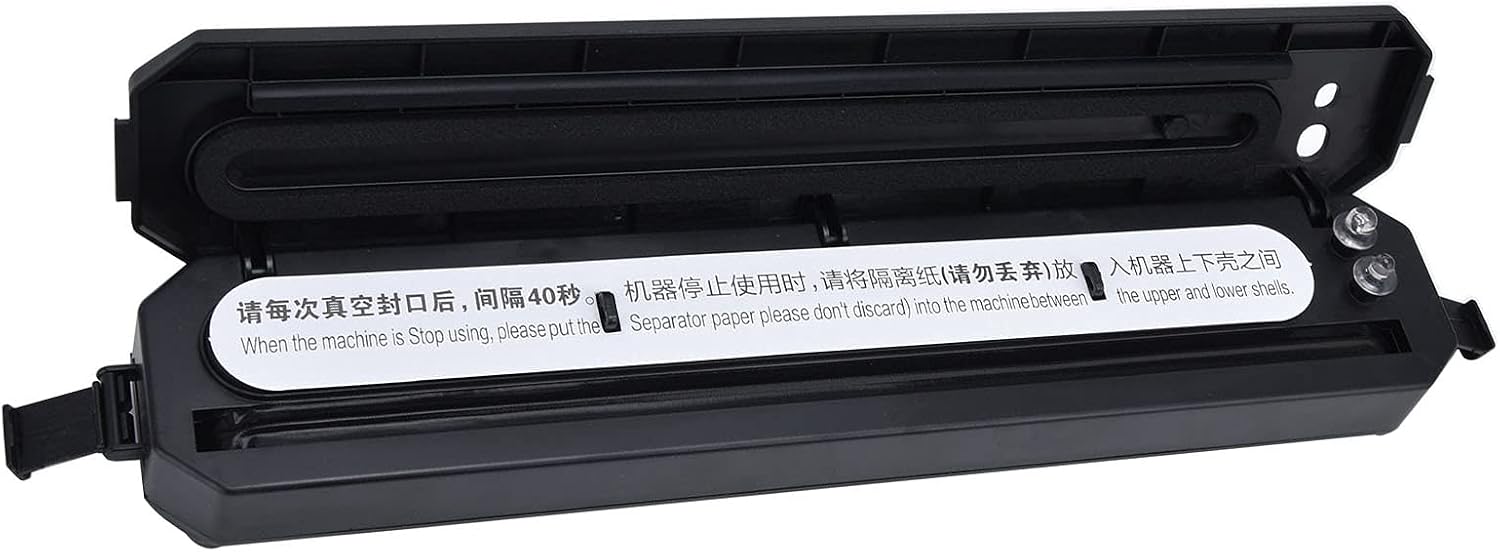
مصباح متعدد الاستعمالات للمخيمين
وفر 12%! اشترِ مصباح متعدد الاستعمالات للمخيمين بسعر 192.96 د.ل فقط في ليبيا. مت
🛒 تسوق الآن Libya Press
The foreign ministers of Egypt, Algeria, and Tunisia have reignited a coordinated diplomatic push to steer Libya toward a political settlement, marking the most significant regional effort for Libyan reconciliation in months. Meeting in Algiers, the three North African neighbors issued a unified call for all Libyan parties to engage seriously in the United Nations-sponsored political process.
The Tripartite Mechanism, dormant for much of 2025, re-emerged with a final statement urging Libyan stakeholders to "prioritize wisdom, dialogue, and the higher interests of the country." The meeting signals growing concern among Libya's neighbors over prolonged instability at their shared borders.
Algerian Foreign Minister Ahmed Attaf hosted his Egyptian and Tunisian counterparts for what diplomats described as "frank and constructive" discussions. The three ministers reaffirmed that the political settlement must be Libyan-led and Libyan-owned, with the United Nations playing a supporting rather than directing role.
"There can be no lasting peace imposed from outside," the joint statement read. "The solution must emerge from Libyans themselves, with the support of neighboring countries."
This position reflects a longstanding principle of the Tripartite Mechanism: external actors should facilitate, not dictate, Libya's political trajectory.
The revival comes at a critical juncture. Libya remains divided between competing governments and factions, with sporadic clashes threatening to escalate into broader conflict. The UN has struggled to maintain momentum in its mediation efforts, while key international players have been distracted by crises elsewhere.
For Egypt, a stable Libya means secure western borders and reduced threats from militant groups. Algeria views Libyan stability as essential to counter-terrorism cooperation across the Sahel. Tunisia, grappling with its own economic difficulties, depends on Libyan trade and seeks to prevent spillover violence.
The three ministers laid out a clear roadmap. First, an immediate halt to inflammatory rhetoric from all sides. Second, reactivation of the political track under UN auspices with clear timelines for presidential and parliamentary elections. Third, comprehensive national reconciliation including mechanisms for transitional justice and reintegration of armed groups into state institutions.
The ministers also stressed unifying Libya's military and security institutions under a single command — a longstanding demand that has remained elusive.
The United Nations welcomed the Tripartite Mechanism's renewed engagement. UN officials have repeatedly called for coordinated regional support to break the political deadlock, where parallel governments in Tripoli and the east continue to vie for legitimacy.
Analysts suggest the Algiers meeting could provide fresh momentum for stalled UN-led talks. "When Egypt, Algeria, and Tunisia speak with one voice on Libya, it carries weight," said a North Africa analyst based in Tunis. "These three countries represent the most influential regional bloc on this file."
Despite the diplomatic push, significant obstacles remain. Deep mistrust between Libya's key political and military figures has derailed previous initiatives. The proliferation of armed groups with competing interests complicates any unified political process. External spoilers, including non-regional powers with conflicting agendas, have also undermined past settlement efforts.
The economic dimension cannot be ignored either. Libya's oil revenues have been weaponized in political disputes through blockades and shutdowns. The Tripartite Mechanism's statement called for "transparent and equitable management of national wealth" as a foundation for long-term stability.
For the 7 million people living in Libya, the renewed diplomatic push offers a glimmer of hope. Living standards have deteriorated, public services are fragmented, and security remains precarious in many areas. The promise of elections — repeatedly postponed — has tested the patience of a population yearning for normalcy.
Whether this initiative succeeds where others have failed depends on Libyan leaders putting national interest above personal or factional gain. The Tripartite Mechanism has laid the groundwork; it is now up to Libyan parties to sit down and talk.
— Libya Press / Politics Desk