
كوب قهوة بغطاء
وفر 19%! اشترِ كوب قهوة بغطاء بسعر 219 د.ل فقط في ليبيا. متوفر حالياً، الدفع عند
🛒 تسوق الآن Libya Press
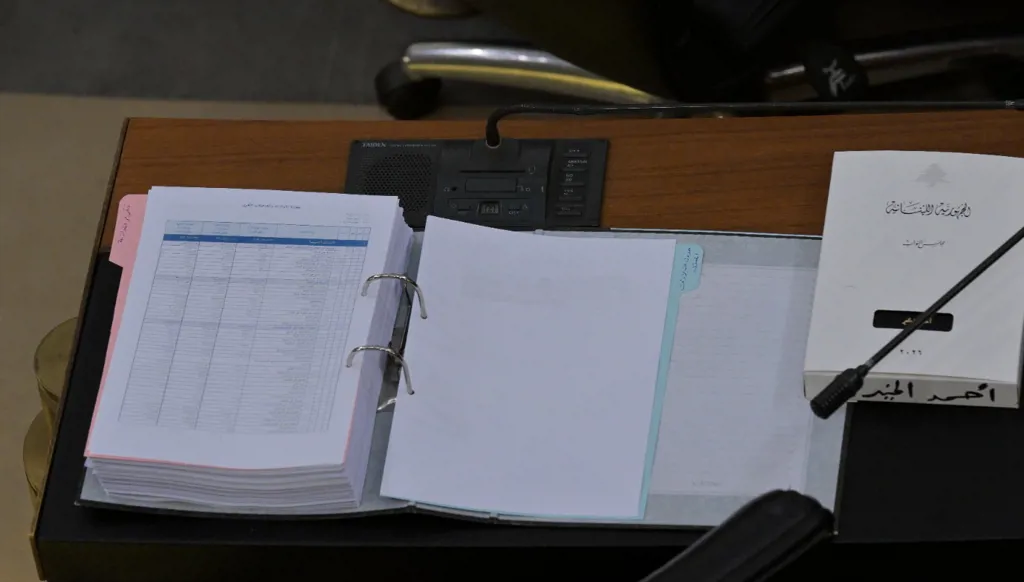
Twelve members of Egypt's House of Representatives publicly rejected the government's 2026/27 general budget during Monday's plenary session, accusing officials of ignoring education and presenting unrealistic numbers that fail to reflect citizens' daily realities. The rejection marks one of the most coordinated parliamentary challenges to a budget proposal in recent sessions.
At the center of the opposition is education funding. The 2026/27 budget allocates 1.2 trillion Egyptian pounds to education — covering both pre-university and university levels — which represents just 6% of total government spending. MP El-Badawi called the figures "fabricated," demanding: "Where did you get these numbers? Are you working us or using us?"
MP Irene Saeed, head of the Reform and Development Party's parliamentary bloc, announced categorical rejection of both the economic development plan and the budget. "Education is at the bottom of their priorities. It gets only the crumbs left over from the plan," she stated during the session. Saeed also questioned the government's reliance on a 2021 household expenditure survey as the basis for current planning: "How can the government ask Parliament to approve a plan built on data from 2021 that hasn't moved in five years?"
Dr. Awad Abu El-Naga, a member of the Planning and Budget Committee, delivered one of the most pointed critiques: "The government is in one valley and the people in another." He stressed that citizens don't care about abstract indicators — they care about tangible services, job availability, and accessible healthcare. His warning about the national health insurance system was particularly stark: launched in 2018 with a 2032 completion target, it has so far reached only 5 million citizens out of a population exceeding 105 million.
Abu El-Naga also flagged the healthcare allocation, noting that the plan to build only 155 primary care units nationwide falls far short of actual needs. Millions of Egyptians across multiple governories struggle daily to access basic medical services. Meanwhile, MP Dawood highlighted that Damietta governorate — his constituency — faces project delays and budget cuts even as implementation stalls.
Egypt's budget decisions have direct implications for Libya. As Libya's largest trading partner in North Africa, Egypt's economic stability affects cross-border commerce, labor mobility, and regional investment flows. A budget that underfunds education and healthcare risks deepening instability in a country of 105 million — instability that inevitably spills across the 1,100 km Libya-Egypt border. Libyan policymakers and analysts should watch these debates closely: economic deterioration in Cairo directly impacts eastern Libya's economy, particularly in areas like Tobruk and Benghazi where Egyptian goods dominate local markets.
The budget now proceeds to further committee reviews despite the vocal opposition. With Egypt navigating complex economic pressures — including IMF loan conditions and currency challenges — the parliamentary pushback signals growing discontent within legislative ranks. Whether these 12 dissenting voices can sway broader parliamentary opinion remains to be seen, but the message is clear: lawmakers are demanding budgets that reflect reality, not spreadsheets from 2021.
— LibyaPress / Politics Desk