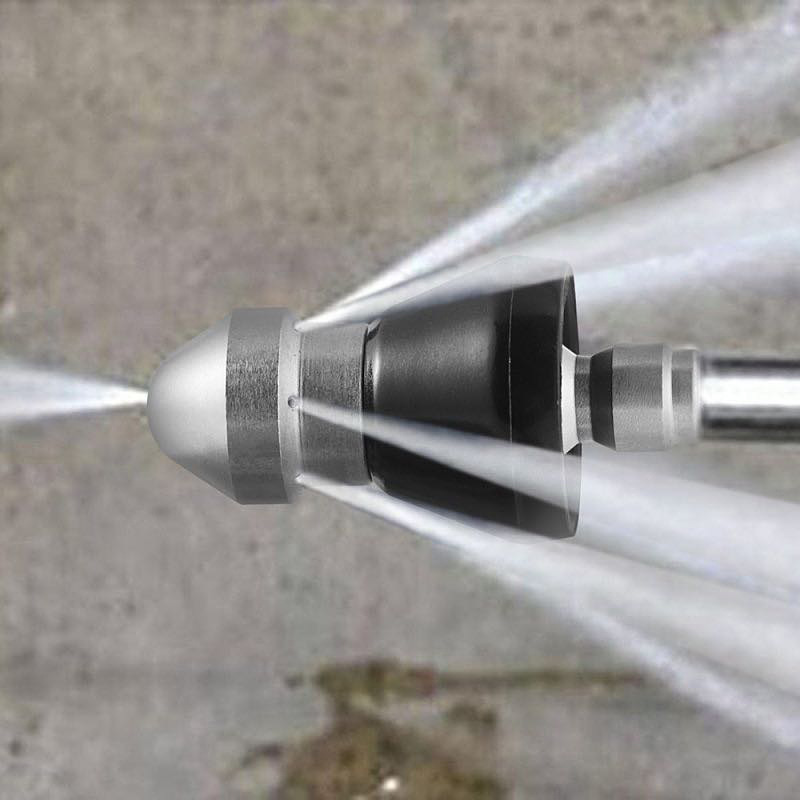
أداة تنظيف الصرف
وفر 22%! اشترِ أداة تنظيف الصرف بسعر 219 د.ل فقط في ليبيا. متوفر حالياً، الدفع ع
🛒 تسوق الآن Libya Press
More than 120 refugees arrived safely in Italy through a humanitarian corridor in December 2025, but for hundreds of Moroccan youth who attempted the same journey through Libya, the dream of reaching Europe has become a nightmare of exploitation, torture, and death. Libya, long a transit hub for irregular migration, has transformed into an open market for human trafficking — and Moroccan migrants are paying the highest price.
According to sources familiar with Libya's migration crisis, Moroccan youth are relying on Libyan smuggling networks that charge exorbitant fees for the promise of safe passage to Italian shores. At least three major networks operate across the country, led by figures known among migrants as "Al-Hajj Mohand" — a Libyan national identified as "W.H." who operates from Turkey — alongside "Al-Hajj Abdullah" and "Al-Hajj Riad," both Libyan nationals. These networks use social media platforms as storefronts, where groups openly share trip details, pricing, and routes.
Motivational videos from former migrants who reached Italy fuel demand — but the promise of safe passage evaporates upon arrival. Migrants are stripped of documents and money, becoming hostages of trafficking networks and armed militias.
"Migrants are treated as commodities that militias sell to each other," sources told Hespress. The trafficking system operates as a structured hierarchy spanning southern, eastern, and western Libya, with roles divided between transport, detention, exploitation, and ransom extraction.
The "Crimes Monitoring in Libya" organization confirmed in its 2025 report that armed groups and security apparatus are directly involved in this system. This includes units affiliated with the Libyan Arab Armed Forces in the east and south — notably the 20/20 Battalion under the Tariq bin Ziad Brigade — as well as the Border Guard and the 444th Brigade under the Government of National Unity in the west. Their involvement ranges from direct protection and facilitating passage to managing formal and informal detention facilities and profiting financially.
This crisis is not only a humanitarian tragedy for Moroccan migrants — it is a reflection of Libya's own deep instability. The same armed groups and militias that exploit migrants are the same factions tearing Libya apart, operating outside any rule of law. The trafficking economy fuels conflict, empowers warlords, and deepens the cycle of violence that affects every Libyan citizen. Until Libya achieves genuine political unity and the rule of law is restored, the country will remain a dangerous transit zone where human lives are traded for profit. For Libyans, this is a mirror of their own struggle — a state where institutions have collapsed and armed groups rule.
The international community must increase pressure on all Libyan factions to dismantle trafficking networks and hold perpetrators accountable. The Moroccan consulate in Libya faces enormous challenges in locating and assisting its citizens, especially those held in unofficial militia-run facilities. What is needed is a coordinated international response — combining diplomatic pressure, humanitarian corridors, and support for Libyan civil society organizations working to document and combat these crimes. No young person should have to risk their life and dignity chasing a dream that criminal networks have turned into a death trap.
— LibyaPress / Libya Desk