
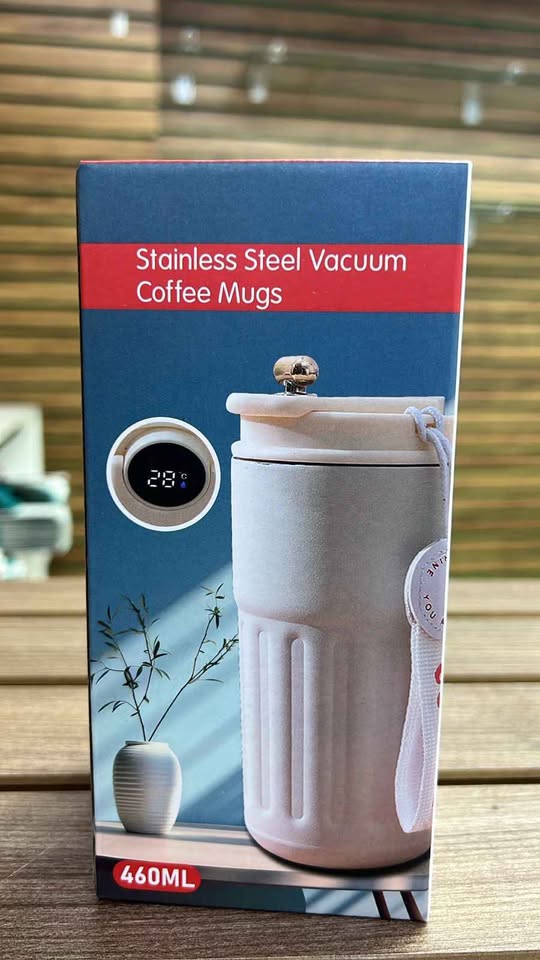
كوب قهوة بغطاء
وفر 19%! اشترِ كوب قهوة بغطاء بسعر 219 د.ل فقط في ليبيا. متوفر حالياً، الدفع عند
🛒 تسوق الآن Libya Press
The Public Prosecution in Libya has ordered the detention and referral to court of a former relations manager at the General Company for Importing Security Commodities, following a sweeping investigation into a forgery and embezzlement scheme that caused losses exceeding 1.5 million Libyan dinars. The case, handled by the Anti-Corruption Prosecution within the jurisdiction of the Tripoli Court of Appeal, reveals a systematic operation involving forged documents and the exploitation of state resources for private gain.
According to an official statement released by the Public Prosecution, the Anti-Corruption Prosecution confronted the accused with a series of charges related to the seizure of 187 shares of cement. The scheme involved the use of forged requests that were falsely attributed to 96 employees of the General Company for Importing Security Commodities. The accused transmitted the national identification numbers of these employees to complete the procedures for receiving cement quantities from the Arab Contractors Company, before diverting those quantities and reselling them on the parallel market at unofficial prices.
The Prosecution confirmed that the illegal sales generated unlawful financial gains amounting to exactly 1,511,000 Libyan dinars. Investigators gathered extensive evidence and completed all preliminary procedures before the decision was made to refer the case to the trial court. The accused remains in pre-trial detention pending the completion of judicial proceedings.
The case has drawn significant attention within Libya's ongoing anti-corruption drive, as authorities intensify efforts to combat financial and administrative misconduct in public institutions. Legal experts note that the referral of the case to the judiciary marks a critical step in holding accountable those who exploit state resources for personal enrichment. The Public Prosecution emphasized that the investigation was conducted with full procedural rigor, ensuring that all evidence was properly documented before the referral decision.
Observers say the case underscores the vulnerabilities within state procurement systems, where a single official with access to employee data and supply chain procedures was able to orchestrate a large-scale fraud operation affecting nearly a hundred employees' records. The scale of the operation — involving 187 cement shares and 96 employees — points to systemic weaknesses in internal oversight mechanisms at public companies.
This case comes amid a broader wave of anti-corruption measures being pursued by Libyan authorities, targeting forgery, profiteering, and the misappropriation of public funds across state institutions. The Public Prosecution stated that the case falls within the framework of strengthening transparency and protecting public money, signaling a continued commitment to pursuing similar cases.
However, analysts warn that without comprehensive reforms to internal audit systems and procurement oversight, similar schemes may continue to emerge. The case highlights the urgent need for digital verification systems, multi-level authorization for supply transactions, and stronger whistleblower protections within Libya's public sector. As the judicial process moves forward, the outcome of this case will serve as an important indicator of Libya's ability to enforce accountability within its state institutions.
The Public Prosecution has urged all public sector employees to report any suspected financial irregularities, reaffirming its commitment to pursuing all forms of corruption that undermine public trust and deplete state resources.