
ملعقة إلكترونية ميزان
وفر 23%! اشترِ ملعقة إلكترونية ميزان بسعر 268 د.ل فقط في ليبيا. متوفر حالياً، ال
🛒 تسوق الآن Libya Press
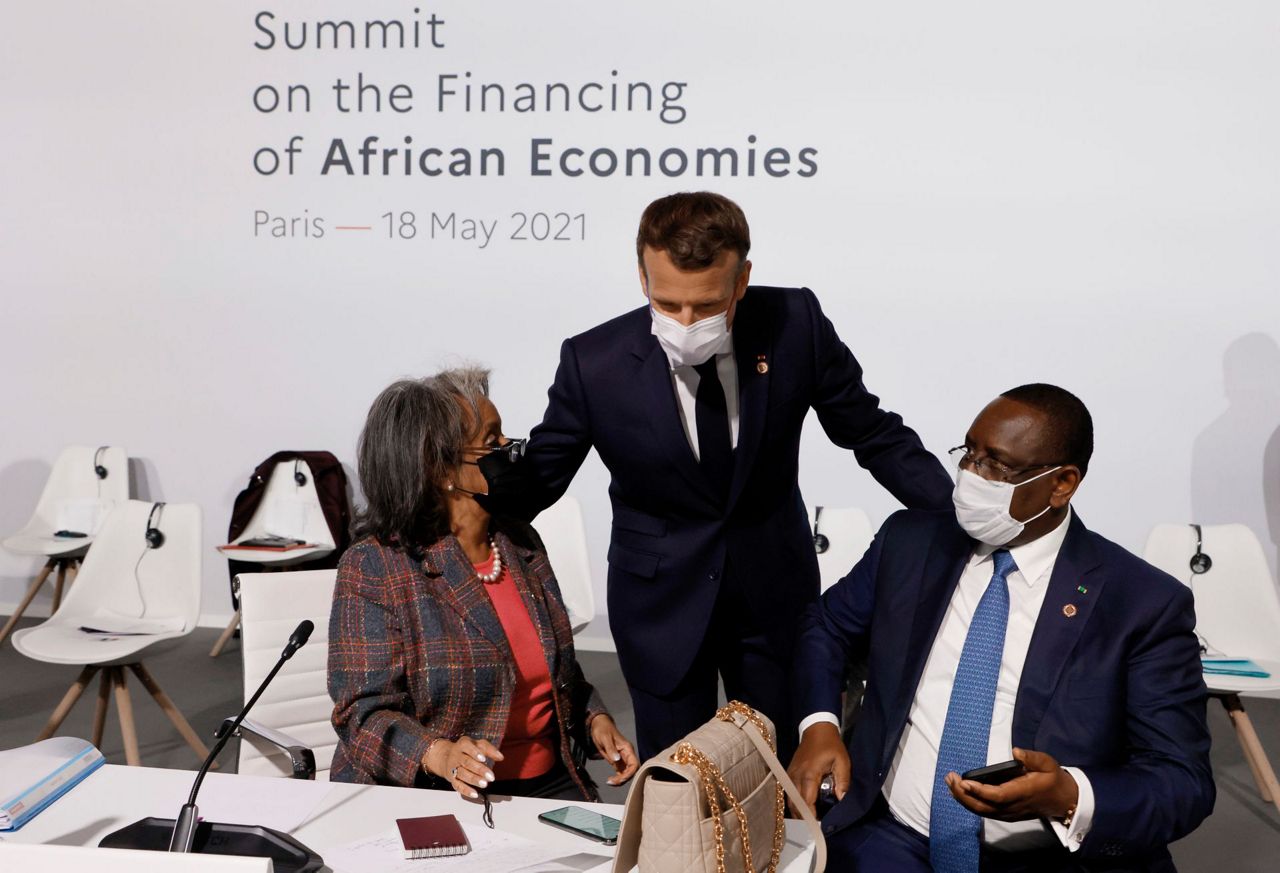
The France-Africa Summit convened in Nairobi, Kenya, against a backdrop of accelerating global shifts reshaping the balance of power across the African continent — now one of the most critical arenas for political, economic, and security competition among major world powers. The gathering comes at a time when France faces a marked decline in its traditional presence on the continent, challenged by the rise of China, Russia, the United States, and emerging regional powers all vying for influence over Africa's vast resources and strategic markets.
French President Emmanuel Macron announced at the summit the mobilization of approximately 23 billion euros in investments directed toward Africa, signaling a strategic pivot from traditional military and political influence tools toward economics and investment partnerships. The choice of Kenya as host carries significant political and strategic implications — this marks the first time the summit is held in an English-speaking African nation, reflecting Paris's recognition that influence in Africa can no longer rest solely on Francophone ties or colonial legacy, but must be built on mutual economic interests and shared partnerships. Nairobi has emerged as a key economic and technological hub in East Africa, underscoring France's pivot toward new spheres of influence following its diminished presence in the Sahel and West Africa.
Analysts note that Africa has fundamentally changed. The continent is no longer exclusively tied to former colonial powers but actively seeks diverse partnerships serving its economic, political, and security interests. Globalization and economic shifts have dismantled many traditional dependency patterns. France now faces growing rejection among African publics, with accusations of continuing to influence certain nations' economies through monetary leverage, economic arrangements, and security agreements. In recent years, popular anger against the French presence has escalated, particularly in the Sahel region, prompting Paris to withdraw from Mali, Niger, and Burkina Faso, with declining influence also observed in Chad and Gabon.
The summit reflects a French acknowledgment that traditional influence tools are no longer sufficient. Paris has redirected its focus toward energy, technology and artificial intelligence, digital economy, infrastructure, and youth entrepreneurship support — a shift from "political Francophonie" to "economic partnership." However, the central question remains: can France genuinely restore its influence through investment and trade after losing substantial political and social capital across the continent? Africa has entered an era of "multiple partnerships" and is no longer subject to the dominance of any single international power. The continent now represents an open arena for global competition over resources, energy, minerals, markets, and trade routes.
The Nairobi summit appears to be France's attempt to rebuild its presence in a continent that has transformed politically and economically — one now seeking relationships based on mutual interest and national sovereignty rather than historical dependency. Whether Paris can truly play a new role, or whether Africa is moving toward a fundamentally different international order based on diversified power and partnership without traditional hegemony, remains to be seen.