
معقم للقدمين بزيت شجرة الشاي
وفر 27%! اشترِ معقم للقدمين بزيت شجرة الشاي بسعر 166.08 د.ل فقط في ليبيا. متوفر
🛒 تسوق الآن Libya Press
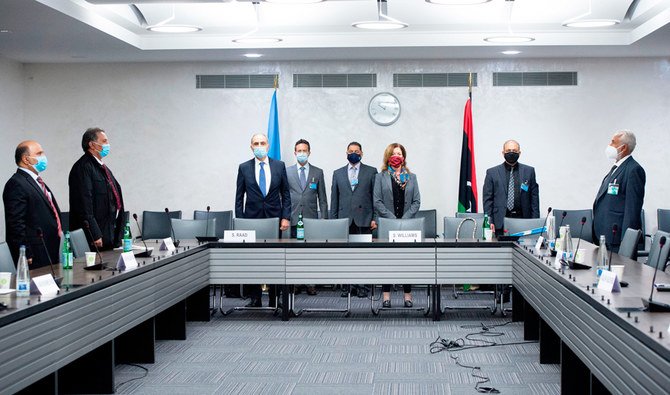
The Chairman of the Libyan Presidential Council, Mohamed al-Menfi, met with United Nations Secretary-General António Guterres in Geneva on Monday, July 14, 2026, to deliberate on the latest developments in Libya's political process. The high-level discussions at the UN Palais des Nations complex centered on advancing a Libyan-led political framework aimed at unifying sovereign institutions and fostering national consensus. This engagement represents a critical step in international efforts to stabilize the nation amid ongoing governance challenges since the 2011 revolution.
The meeting emphasized the need for a Libyan-led and inclusive political settlement that preserves the country's unity, sovereignty, and institutional stability. The Presidential Council's leadership in these talks reflects a commitment to domestic ownership of the resolution process, while international support provides necessary diplomatic backing. The discussions built upon previous Geneva initiatives that have sought to bridge divides between competing authorities in Tripoli and Tobruk.
The Geneva Summit, hosted by the Swiss Confederation, brought together representatives from various Libyan factions under UN mediation. Success depends on the willingness of local leaders to compromise on longstanding disputes over power-sharing and resource distribution. The Presidential Council has consistently advocated for a federal system that respects regional differences while maintaining national cohesion.
The most significant obstacle identified during the summit discussions is the persistent divide between eastern and western armed structures. Al Menfi praised the efforts by the chiefs of staff and the 5+5 Joint Military Commission to build a unified professional force that does not intervene in politics. However, this military unification represents one of the most difficult parts of Libya's political settlement, as rival armed groups have historically maintained separate command structures and regional loyalties.
Since the fall of Muammar Gaddafi, Libya has been divided between rival military commands based in Tripoli and Benghazi. The Government of National Unity has struggled to assert authority over armed groups that pledge allegiance to different political leaders. The 5+5 Joint Military Commission has made incremental progress in aligning military commands, but significant trust deficits remain between key stakeholders.
The 5+5 Joint Military Commission continues to play a pivotal role in discussions about military integration. Progress has been made in agreeing on joint training programs and standardized operational procedures. However, the commission faces the challenge of disbanding informal militias that have become deeply embedded in local communities. Many fighters view their armed groups as protectors rather than obstacles to state-building.
Successful integration requires not only merging units but also establishing new accountability mechanisms for former combatants. The path forward involves gradual demobilization paired with economic reintegration programs for former fighters to ensure lasting peace.
The Geneva Summit represents part of a broader international commitment to Libya's stability. UN Secretary-General Guterres has consistently advocated for Libyan-led solutions, emphasizing that external actors must support rather than direct the political process. Implementation mechanisms for any agreements must be carefully managed to maintain domestic legitimacy.
International partners, including the European Union, African Union, and United States, have signaled their willingness to provide financial and technical assistance. The EU has pledged €50 million in humanitarian aid and an additional €100 million for governance reform. These commitments reflect recognition that Libya's stability is essential for regional security and energy market reliability.
The path forward requires sustained diplomatic engagement, credible local leadership, and international patience. As one source noted, Libya's destiny rests with its people and institutions. The Geneva Summit's focus on political track and military unification provides a potential framework for addressing these intertwined challenges.
— Libya Press / Politics Desk