
كاشف الكاميرات الخفية
وفر 17%! اشترِ كاشف الكاميرات الخفية بسعر 390 د.ل فقط في ليبيا. متوفر حالياً، ال
🛒 تسوق الآن Libya Press
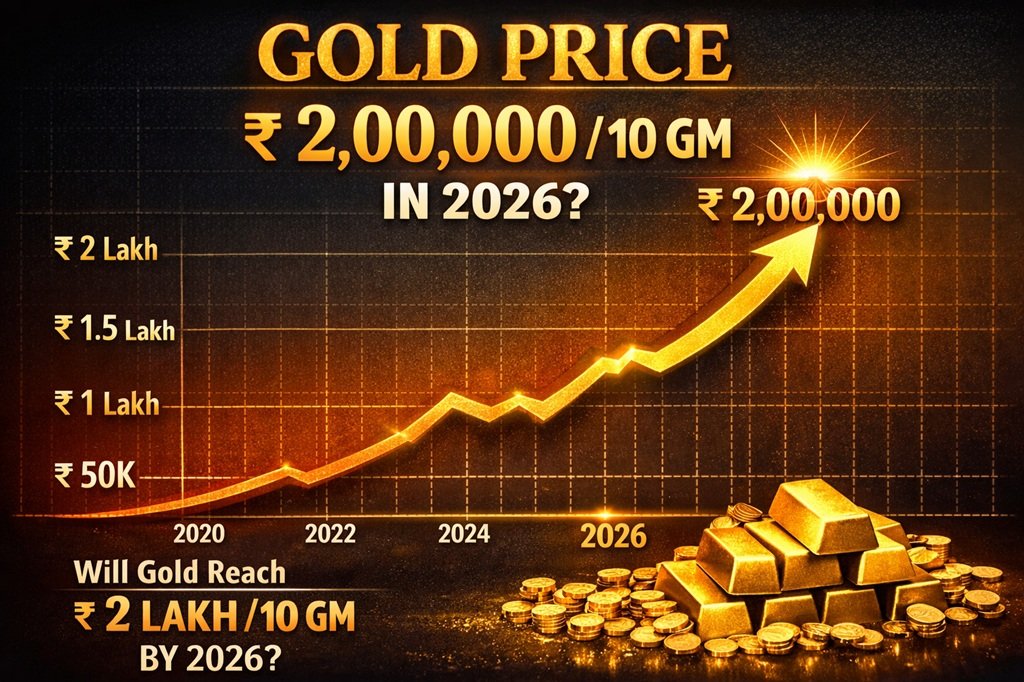
Indian domestic gold prices are projected to trade between Rs 1,50,000 and Rs 1,80,000 per ten grams for the remainder of 2026, according to a report by ICICI Bank Global Markets. The forecast comes amid a sustained uptrend in global gold prices and a steady depreciation of the Indian rupee against the US dollar, creating a dual-pressure environment for the precious metal in the world's second-largest consumer market.
The global gold rally has been fueled by a combination of macroeconomic uncertainty, central bank buying sprees, and geopolitical tensions across multiple regions. The US Federal Reserve's monetary policy trajectory, persistent inflation concerns in developed economies, and heightened demand from emerging-market central banks have all converged to push international gold prices to elevated levels. For India, these global dynamics are amplified by a weakening rupee, which effectively raises the landed cost of dollar-denominated gold imports.
The ICICI Bank Global Markets report highlights that safe-haven demand remains robust as investors worldwide seek to hedge against currency volatility and equity market corrections. Gold has historically performed well during periods of monetary easing expectations, and current market pricing suggests rate cuts could materialize in the second half of 2026.
According to the ICICI Bank Global Markets analysis, the structural drivers supporting gold remain firmly intact. The report notes that both institutional and retail demand in India tend to remain resilient even at elevated price levels, particularly during the wedding season and major festivals such as Diwali and Akshaya Tritiya, which traditionally drive physical gold purchases across the country.
"The ongoing uptrend in global gold prices alongside steady currency depreciation in emerging markets is likely to keep domestic gold prices elevated throughout the forecast period," the ICICI Bank Global Markets report stated, emphasizing that any sharp correction in international prices would be the primary risk to the current projection.
The Indian gold price forecast carries significant implications for North African markets, including Libya. India and the Gulf states are key trading partners for gold flowing into North African markets, and global price movements directly influence local retail pricing. Libyan consumers and gold traders monitor international benchmarks closely, as the country's gold market is increasingly connected to global supply chains through Dubai and Istanbul trading hubs. Any sustained rise in global gold prices typically translates into higher retail prices across Libyan jewellery markets within weeks.
For physical gold buyers in the Indian subcontinent and connected markets, the remainder of 2026 presents a scenario where price stability within the Rs 1.5–1.8 lakh window could offer strategic entry points during seasonal dips. Investors should watch for US Federal Reserve policy announcements, any acceleration in central bank gold purchases, and fluctuations in the dollar-rupee exchange rate. A resolution of major geopolitical conflicts could temporarily ease safe-haven demand, while any escalation would likely push prices toward the upper end of the projected range.
The ICICI Bank Global Markets report reinforces the view that gold remains a critical portfolio hedge in 2026, with both structural demand and macroeconomic uncertainty supporting prices at historically elevated levels. Buyers and investors alike should stay informed and plan purchases around the predictable seasonal and macroeconomic patterns that drive the precious metal's performance.