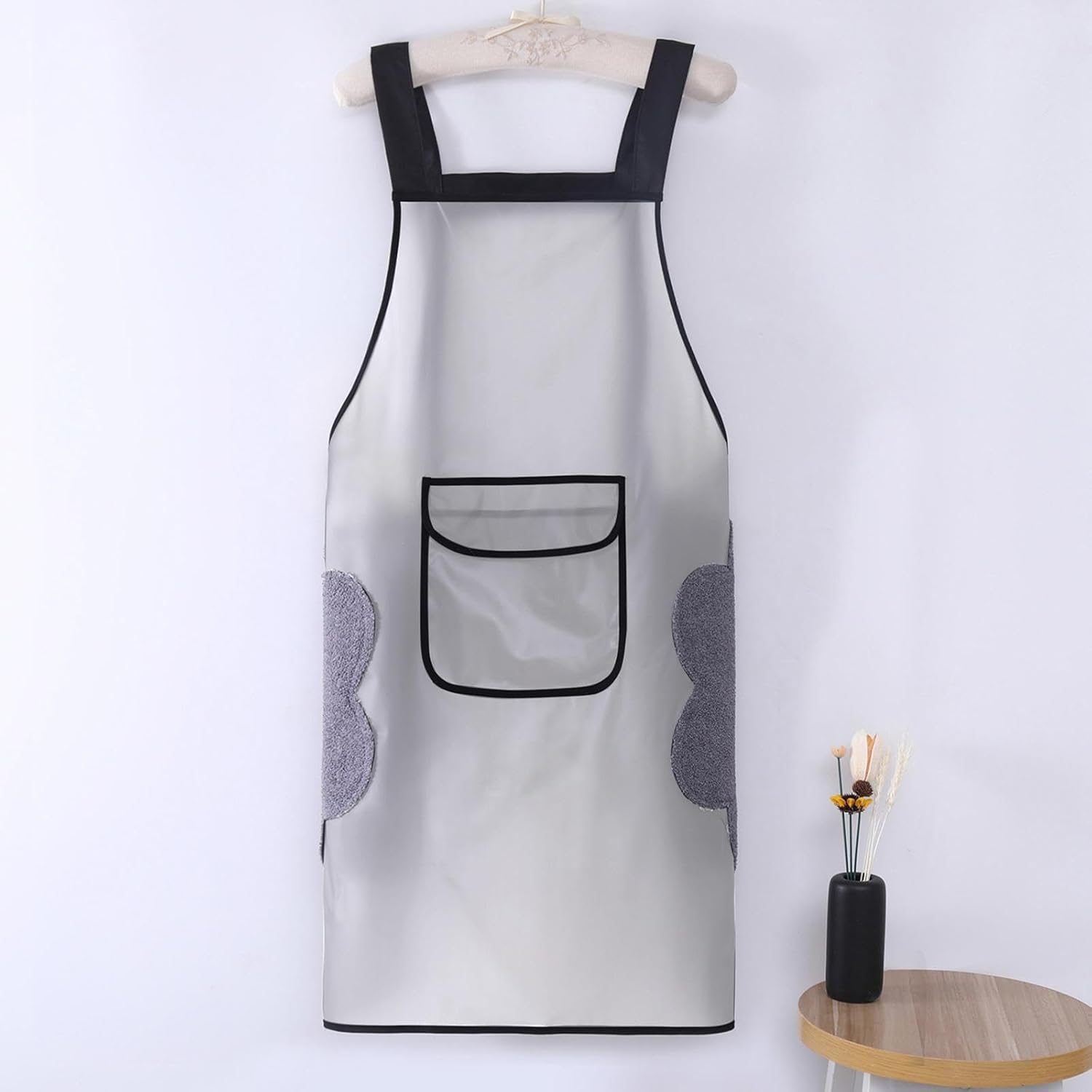
مريلة المطبخ الشفافة
وفر 23%! اشترِ مريلة المطبخ الشفافة بسعر 190.28 د.ل فقط في ليبيا. متوفر حالياً،
🛒 تسوق الآن Libya Press
Khalifa Haftar's self-styled Libyan National Army has formally accepted a new American political proposal aimed at breaking Libya's prolonged governance crisis. The announcement, made through the so-called general command of Haftar's forces, described the US-backed plan as more "realistic" than previous international efforts to resolve the country's deepening political deadlock. The proposal was put forward by Massad Boulos, a senior adviser to the US president, marking a significant shift in Washington's diplomatic engagement with eastern Libya's most powerful military figure.
The acceptance comes at a critical juncture, as Libya remains divided between two rival administrations — the Tripoli-based Government of National Unity and the eastern-based government supported by Haftar's forces. The US proposal calls for the creation of a single interim government tasked with preparing the ground for both presidential and parliamentary elections, a framework that could potentially unify the country's fractured political landscape after more than a decade of conflict.
Libya has been mired in political fragmentation since the 2011 uprising that toppled Muammar Gaddafi. The country split into competing power centers, with the internationally recognized Government of National Unity controlling western Libya and Haftar's forces dominating the east and south. Multiple UN-led peace processes have failed to produce lasting agreements, and planned elections scheduled for December 2021 were indefinitely postponed amid disputes over candidacy rules and legal frameworks.
The emergence of a rival political roadmap alongside the UN's own mediation efforts adds a new layer of complexity to Libya's peace process. Analysts note that the US proposal's emphasis on a single interim government addresses one of the core obstacles that has derailed previous negotiations — the question of which institutions hold legitimate authority during a transitional period. The fact that Haftar's command has publicly welcomed the plan suggests that eastern Libyan leadership may be more willing to engage diplomatically than at any point in recent years.
Libyan political analyst Hamada Al-Masri, based in Tripoli, described the development as cautiously significant. "For the first time in years, we are seeing a major international actor put forward a concrete framework that at least one of the key Libyan parties is willing to accept. Whether this translates into real progress depends entirely on whether the other side in Tripoli responds with equal openness," Al-Masri said. The statement reflects a widespread sentiment among Libyans who have grown weary of endless negotiations that produce little tangible change in their daily lives.
Ordinary citizens across Libya continue to suffer from deteriorating public services, currency instability, and the absence of unified state institutions. The political deadlock has directly impacted oil production — Libya's primary revenue source — with the Sirte Oil Basin and other key facilities frequently caught in the crossfire of competing political and military agendas.
For Libyans across the country, the acceptance of any credible political roadmap represents a rare glimmer of hope. The division between east and west has not merely been a political abstraction — it has meant separate banking systems, competing currencies, fragmented healthcare infrastructure, and the absence of a unified national army capable of providing security. A successful transition to elections could begin reversing these realities.
The involvement of the United States, a permanent member of the UN Security Council with significant diplomatic leverage, adds weight to the proposal that previous European-led initiatives sometimes lacked. However, Libyans remain skeptical after years of broken promises. The true test will be whether both the Tripoli-based authorities and Haftar's eastern command can agree on the composition and mandate of a single interim government — a challenge that has defeated every previous mediation attempt.
The coming weeks will be decisive. International observers expect intensified diplomatic activity as the US, the UN, and regional actors work to bring both Libyan parties to the negotiating table under a unified framework. The positive response from Haftar's command, while encouraging, is only one piece of the puzzle. Tripoli's leadership must now signal its own willingness to engage, and both sides will need to make difficult compromises on power-sharing arrangements.
For Libya's 7 million citizens, the stakes could not be higher. A credible path toward elections offers the best chance in years to restore unified governance, rebuild the economy, and end the cycle of conflict that has defined their country for over a decade. The world is watching — and for once, there are reasons for cautious optimism.
— LibyaPress / Politics Desk