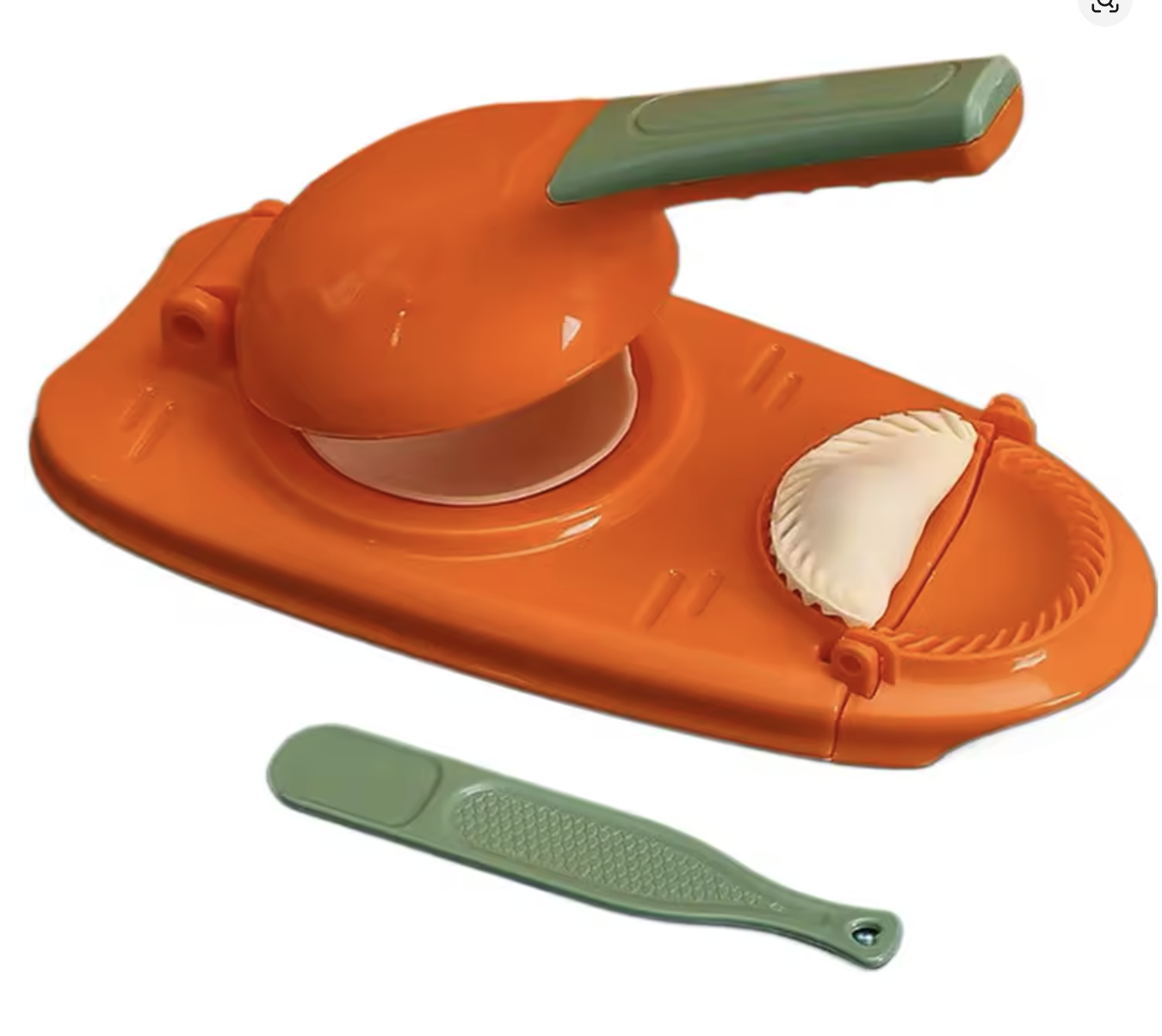
قالب يدوي لتغليف الزلابية
وفر 25%! اشترِ قالب يدوي لتغليف الزلابية بسعر 180 د.ل فقط في ليبيا. متوفر حالياً
🛒 تسوق الآن Libya Press
As Russian oligarchs scramble to shield billions from Western sanctions, Dubai has emerged as their ultimate refuge. The United Arab Emirates has quietly become the world's premier destination for sanctioned elites, offering luxury real estate, zero income tax, and near-total opacity. Since the invasion of Ukraine, billions of dollars in Russian assets have flowed through UAE banking and property markets, transforming the Gulf nation into what analysts call "Club Med for kleptocrats."
According to DAWN, a leading Middle East research organization, the UAE has done more than any other country to help Russian kleptocrats evade US-led sanctions. Despite being billed as a key American security partner, the Emirates has maintained strategic ambiguity toward Moscow, refusing to fully join the Western sanctions regime while welcoming sanctioned individuals and their capital.
The UAE's appeal to sanctioned elites rests on physical luxury meeting legal opacity. Russian billionaires have purchased an estimated $1.2 billion in Dubai real estate since 2022. The Dubai Land Department processes property transactions with minimal due diligence, making it nearly impossible to trace ultimate beneficial owners.
Beyond real estate, the UAE's free zones offer shell company registration with no public ownership disclosure. Over 30 free zones operate across the Emirates, each with independent regulatory frameworks prioritizing business secrecy. Russian-linked entities have registered thousands of shell companies since 2022, creating layered corporate structures that frustrate sanctions enforcement by the US Treasury Department and European regulators.
The UAE's role extends beyond financial services into military and geopolitical influence across Africa. The Transnational Institute documented an emerging imperial role for the UAE in Africa. The UAE has worked closely with militias and employed mercenaries in multiple African conflicts, effectively installing compliant governments in exchange for resource access.
Andreas Krieg, a security analyst studying Gulf military expansion, noted that "the UAE's African operations are designed to create economic dependency — resource extraction contracts that flow back to Emirati state-owned firms while local populations see almost none of the benefit." This model of extraction mirrors the kleptocratic networks the UAE hosts at home.
For Libyan readers, the UAE's dual role as security partner and kleptocrat sanctuary carries direct implications. The Emirates is deeply involved in Libya's ongoing conflict, providing military support to factions in exchange for political influence and economic concessions. Libya's vast oil wealth and strategic Mediterranean position make it a prime target for the same extraction model the UAE applies across Africa.
The December 2022 agreement to build the Abu Amama dry port on Somalia's Red Sea coast signals the UAE's long-term strategy: controlling trade routes and port infrastructure across North Africa. Libyan policymakers must recognize that partnership with the UAE comes with asymmetric leverage — the Emirates controls the financial architecture that kleptocrats depend on, giving it outsized influence over any country willing to play by its rules.
The UAE's transformation into a global hub for sanctioned wealth demands international attention. Pressure from the US Congress, the European Union, and the Financial Action Task Force has so far produced only cosmetic reforms in Dubai. Real change requires binding legislation with enforcement mechanisms, not voluntary compliance pledges from a nation that profits from opacity.
For Libya and the broader Middle East, financial transparency is not optional infrastructure — it is national sovereignty. Countries that resist adopting international anti-money laundering standards risk becoming extensions of the UAE's kleptocratic ecosystem. The fight against corruption begins with the courage to demand who owns what, and why.