
مضخة مياه الشرب
وفر 30%! اشترِ مضخة مياه الشرب بسعر 167.04 د.ل فقط في ليبيا. متوفر حالياً، الدفع
🛒 تسوق الآن Libya Press
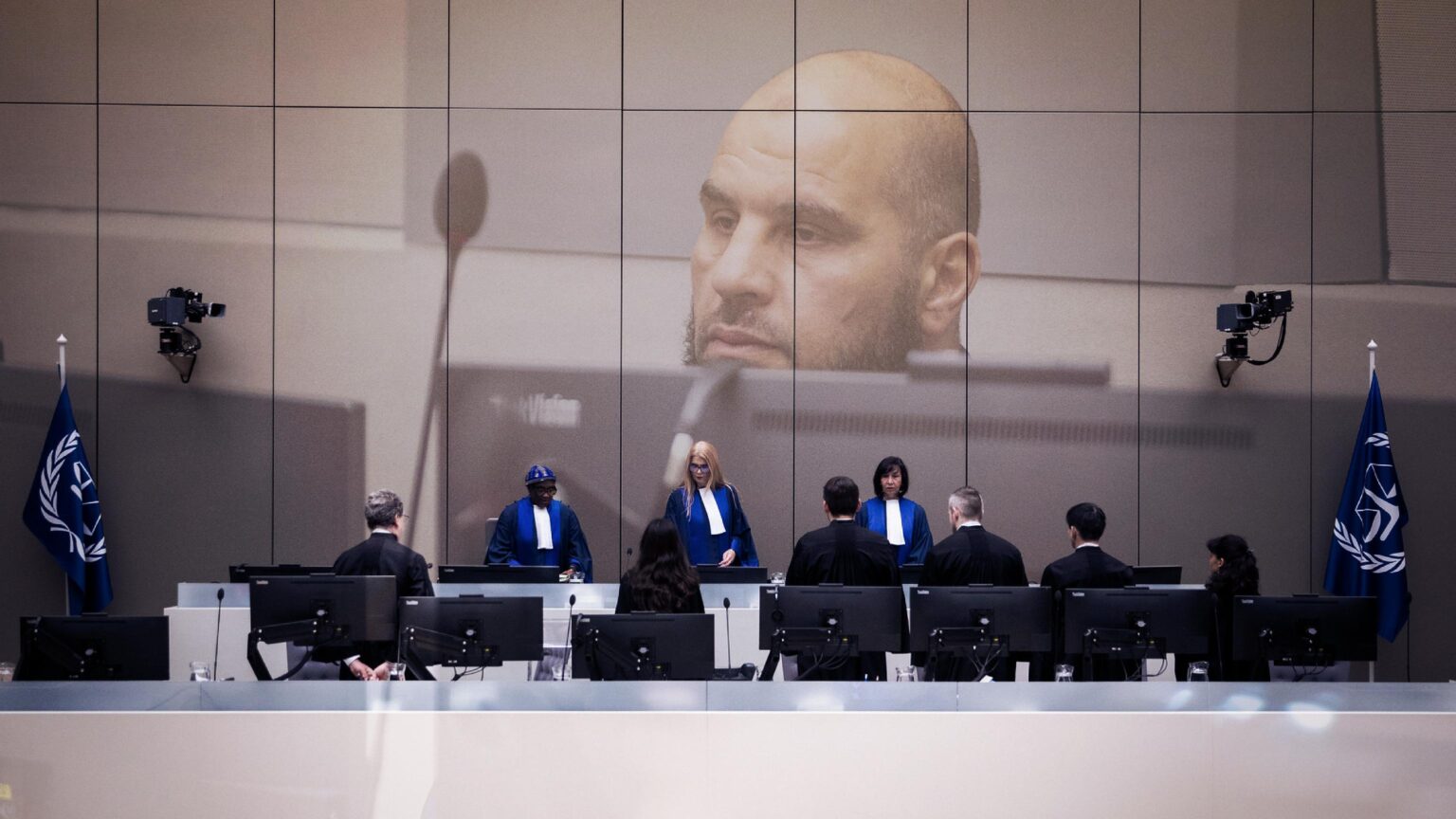
THE HAGUE — Fifteen years after the International Criminal Court launched its investigation into Libya, a three-judge panel has unanimously confirmed 17 counts of war crimes and crimes against humanity against Khaled Mohamed Ali El Hishri, marking the first Libya case to move to trial. The decision, issued on July 16, 2026, represents a historic milestone for accountability in Libya's post-revolution era.
El Hishri, a senior official at Tripoli's notorious Mitiga Prison, now faces trial on charges including torture, rape and other sexual violence, murder, enslavement, and persecution. His case is the first to emerge from the ICC's 15-year Libya investigation, which the United Nations Security Council authorized in 2011 following Muammar Gaddafi's crackdown on protesters.
The pretrial chamber found that prosecutors presented sufficient evidence to send El Hishri to trial on all 17 charges. Judges determined that the abuses at Mitiga Prison were neither isolated nor random, but carried out through an organized and institutionalized system that controlled detainees from arrest through imprisonment.
On the enslavement charge, the panel wrote: "Considering the cumulative effect of all the relevant factors, particularly in the specific context of a systematic and institutionalized practice, the Chamber is satisfied that the Mitiga perpetrators exercised powers attaching to the right of ownership over detainees." The Special Deterrence Force, known as RADA, controlled Mitiga Prison during years of political turmoil following Gaddafi's fall in 2011.
El Hishri served as one of the prison's senior officials and supervised the section where women and young children were held. German authorities arrested him in 2025 and transferred him to The Hague later that year, making him the first Libya suspect to appear before ICC judges.
The investigation had spent years stalled by missing suspects, political disputes, and jurisdictional conflicts. Libya never joined the Rome Statute establishing the ICC, but the court gained jurisdiction after the UN Security Council referred the situation in 2011. The panel relied on evidence presented during a three-day confirmation hearing in May 2026, written submissions from both sides, and statements from 63 witnesses — including 47 former detainees.
Human Rights Watch described the confirmation of charges as "a milestone for justice in Libya." The organization called on Libyan authorities to surrender other suspects to the court. "After 15 years of investigation, seeing the first case move to trial sends a powerful message that accountability is possible, even after years of delay," said a senior HRW researcher on international justice.
The ICC, established in 2002 as the world's first permanent war crimes court, normally hears cases involving its member states. Libya's situation was referred by the Security Council — a mechanism used only for situations where the court's jurisdiction applies due to threats to international peace and security.
The confirmation decision does not determine guilt. It clears the way for a full trial, where ICC prosecutors must prove the charges beyond a reasonable doubt. El Hishri's defense team argues that the case rests on a false portrayal of RADA — a military police unit formed in Tripoli — as an outlaw militia. They also contend that the ICC has no authority to prosecute crimes linked to Libya's post-revolution security forces.
The trial will be closely watched across Libya, where thousands of families continue to seek justice for loved ones who disappeared into Mitiga and other detention centers during the years of armed conflict. For many Libyans, this case represents the first concrete sign that the international community's commitment to accountability may yield tangible results.
— Libya Press / Justice Desk
