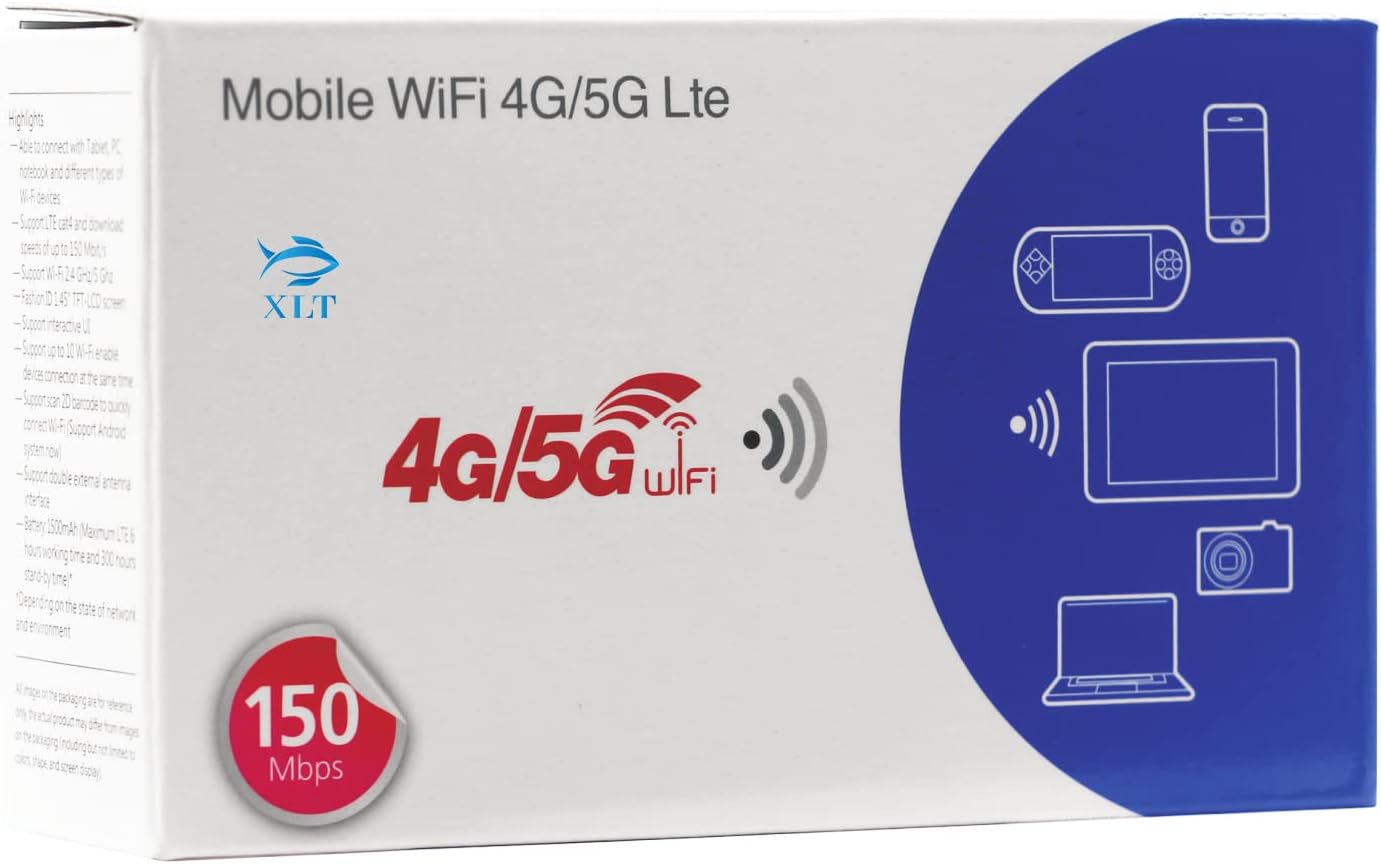
جهاز توجيه واي فاي محمول مزود بفتحة SIM
وفر 23%! اشترِ جهاز توجيه واي فاي محمول مزود بفتحة SIM بسعر 369 د.ل فقط في ليبيا
🛒 تسوق الآن Libya Press
Ahmed Gadalla, a 46-year-old Libyan businessman based in Dubai, sits at the center of a sprawling financial network that spans Libya, the UAE, Malta, the UK, and beyond. According to the United Nations Panel of Experts on Libya and a detailed report by the US investigative organization The Sentry, Gadalla serves as a key financial operator for Khalifa Haftar's Libyan Arab Armed Forces (LAAF), which controls eastern Libya with backing from the UAE and Egypt. Gadalla denies all allegations, insisting his business activities are lawful and transparent.
Gadalla controls companies across multiple jurisdictions, including banks, a state-owned steel enterprise, and private firms in Libya, the UAE, Malta, and the UK. He is chairman of a Libyan state-owned steel company, owner of Dubai-based UDS Shipping Services LLC, Malta-based International Seaport Holdings, and oil refiners in Libya. He also owns several properties in the UAE and a .7 million apartment in Toronto, where he holds permanent Canadian residency.
The UN Panel of Experts found that Gadalla used banks under his control — including Wahda Bank and the Bank of Commerce & Development — to fraudulently obtain letters of credit from the Central Bank of Libya, with the support of armed group actors. A Gadalla-owned bank in Benghazi was found to have "actively blocked" attempts to conduct an official investigation into the letter-of-credit scheme. His Dubai-based entities allegedly secured 00 million for the Haftars' failed 2019–2020 assault on Tripoli.
In July 2025, the Greek and Italian navies intercepted the Aya 1, a UDS container ship named after Gadalla's daughter, on suspicion of violating the UN arms embargo on Libya. The UN found the vessel had exported at least 22 containers with flexi-tanks filled with heavy fuel oil from Tobruk to the UAE. Banks controlled by Gadalla have also been linked to the circulation of counterfeit Russian-printed dinars.
The Sentry described Gadalla's portfolio as concealing "a broad range of questionable financial operations executed on behalf of the Haftars," noting that his ascent "shows how kleptocratic networks loot Libya's public wealth on an immense scale." The organization alleged that Gadalla's companies funneled money to Russia's Wagner Group and sent arms to Sudan's Rapid Support Forces (RSF) paramilitary.
Gadalla has firmly rejected all accusations. "I utterly reject and deny the accusations made against me by The Sentry. My lawyers are challenging those allegations, and I also refute the claims made about me in the UN Panel of Experts report insofar as they relate to me," he told Middle East Eye. He said bank records in question had been investigated by Deloitte and the Libyan Attorney General's Investigation Unit, and denied financing military activity or the Wagner Group.
The Haftar family's operations have suffered several high-profile setbacks: a 2024 attempt to import Chinese combat drones disguised as wind turbines, an unsuccessful 2023 scheme to procure Spanish drones, and the 2025 interception of military vehicles bound for Sudan's RSF.
As the US and its allies push to unify the UN-backed Tripoli government with the Haftar family's Benghazi administration, Gadalla finds himself under unprecedented international scrutiny. His case highlights the deep entanglement of militia rule and hollowed-out economic institutions in Libya, where public wealth is systematically siphoned through opaque financial networks spanning multiple continents.
The international community faces mounting pressure to enforce the UN arms embargo more rigorously and to trace the financial flows that sustain armed groups in Libya. Whether Gadalla will face formal sanctions or legal proceedings remains uncertain, but his case has become a litmus test for the credibility of international efforts to hold Libya's shadow financiers accountable.
The story of Ahmed Gadalla is ultimately a story of how conflict economies operate in the 21st century — through shell companies, foreign passports, and the exploitation of weak institutions — and why dismantling such networks is essential to any lasting peace in Libya.