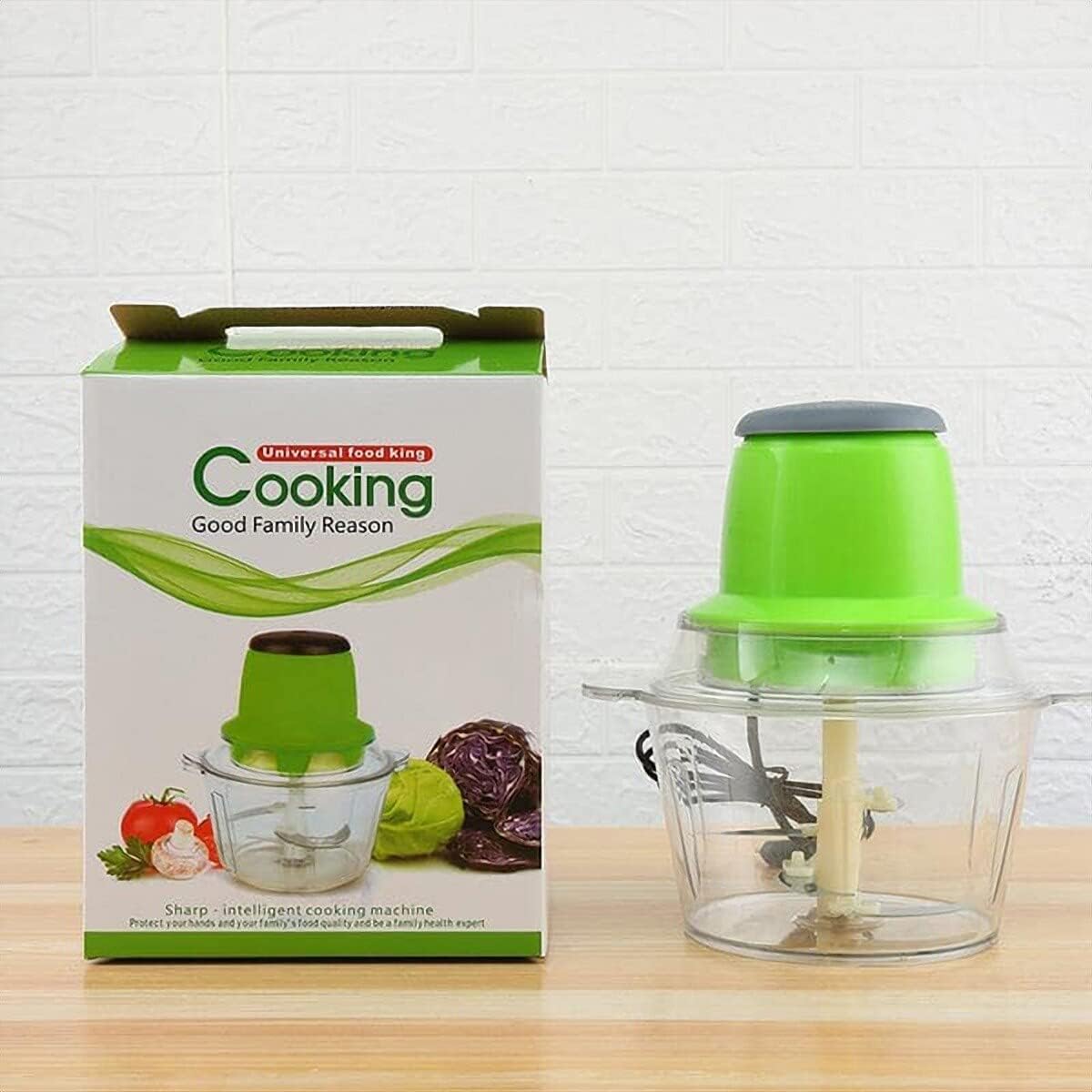
قطاعة خضروات كهربائية
وفر 16%! اشترِ قطاعة خضروات كهربائية بسعر 219 د.ل فقط في ليبيا. متوفر حالياً، ال
🛒 تسوق الآن Libya Press
International Medical Corps has been a cornerstone of humanitarian healthcare in Libya since the outbreak of civil conflict in 2011. What began as an emergency medical response has evolved into a comprehensive, long-term effort to rebuild a fractured health system serving 7.3 million people across the North African nation. Today, the organization continues to deliver vital services — from primary healthcare and mental health support to disaster response — in one of the world's most challenging operational environments.
Libya's healthcare infrastructure has been devastated by more than a decade of conflict, political instability, and natural disasters. The country has approximately 1,300 health facilities for its population, many of which are damaged, under-resourced, or entirely nonfunctional. The situation reached catastrophic proportions in September 2023, when Storm Daniel struck northeastern Libya, causing two dams upstream of the coastal city of Derna to collapse. The resulting floods released 30 million cubic meters of water that tore through the city of 90,000 residents, sweeping entire buildings into the sea. Local authorities reported that one-quarter of Derna effectively disappeared, with thousands killed and more than 43,000 people displaced. In the flood-affected area, 84% of hospitals and 88% of primary health centers were rendered nonfunctional or only partially operational.
International Medical Corps was among the first humanitarian organizations to respond. The group deployed 12 Type 1 Emergency Medical Teams across 30 health facilities in eight municipalities, including Derna, Benghazi, Tobruk, Misrata, and Sousa. As the only international NGO classified by the World Health Organization as an Emergency Medical Team Type 1 provider for both fixed and mobile configurations, the organization was uniquely positioned to deliver immediate, high-quality medical care in the disaster zone.
The response went far beyond emergency medicine. International Medical Corps provided mental health and psychosocial support to survivors grappling with immense emotional trauma, distributed essential medicines and medical equipment, and trained more than 1,100 healthcare providers. The organization established two emergency rooms in Derna health facilities and conducted over 30,000 healthcare consultations, reaching more than 40,000 people with health, mental health, and hygiene promotion awareness sessions.
In the years since the flood, the organization has shifted from emergency response to sustainable recovery efforts. Teams have installed solar-powered water desalination units with storage tanks in the most affected neighborhoods, supplied water treatment chemicals to the General Company for Water and Wastewater, and provided equipment for municipal water system repairs. These interventions aim to ensure a consistent and reliable supply of safe drinking water for communities still reeling from the disaster.
Beyond disaster response, International Medical Corps operates mobile medical teams that provide essential healthcare services to both Libyan and non-Libyan populations across the country. These teams are supported by community health workers who play a critical role in raising awareness among migrant and refugee communities about common health problems. The organization also conducts regular training sessions for healthcare providers, ensuring the continuity of essential services in underserved and hard-to-reach areas.
Mental health remains a critical focus. The organization provides mental health and psychosocial support services both remotely and in-person through trained doctors who identify, manage, and refer priority mental health conditions in line with WHO guidelines. Community-based mental health efforts are strengthened by training facilitators from different municipalities to lead awareness sessions and advocate for mental health at the local level.
International Medical Corps also implements programs to prevent and respond to violence against women and girls, supporting vulnerable populations through awareness sessions, case management, psychosocial support, and skill-building activities. The organization collaborates with three national organizations, local authorities, and service providers to strengthen service delivery and improve access for those in need.
In 2025 alone, International Medical Corps delivered 24,360 health consultations and 1,683 mental health consultations across Libya. With nearly 874,000 refugees, asylum seekers, internally displaced persons, and returnees in the country, the need for sustained humanitarian healthcare remains urgent. The organization's long-term partnership with Libya's Ministry of Health — involving healthcare worker training, medication supply, and facility rehabilitation — represents a critical investment in the country's capacity to provide for its own people.
As Libya continues to navigate the compounding challenges of conflict, displacement, climate-related disasters, and a fragile health system, the work of International Medical Corps remains indispensable. Their commitment to building local capacity alongside delivering immediate relief offers a model for humanitarian action in complex emergencies worldwide.