
خرطوم مياه قابل للتمدد من ماجيك هوز
وفر 50%! اشترِ خرطوم مياه قابل للتمدد من ماجيك هوز بسعر 165.12 د.ل فقط في ليبيا.
🛒 تسوق الآن Libya Press
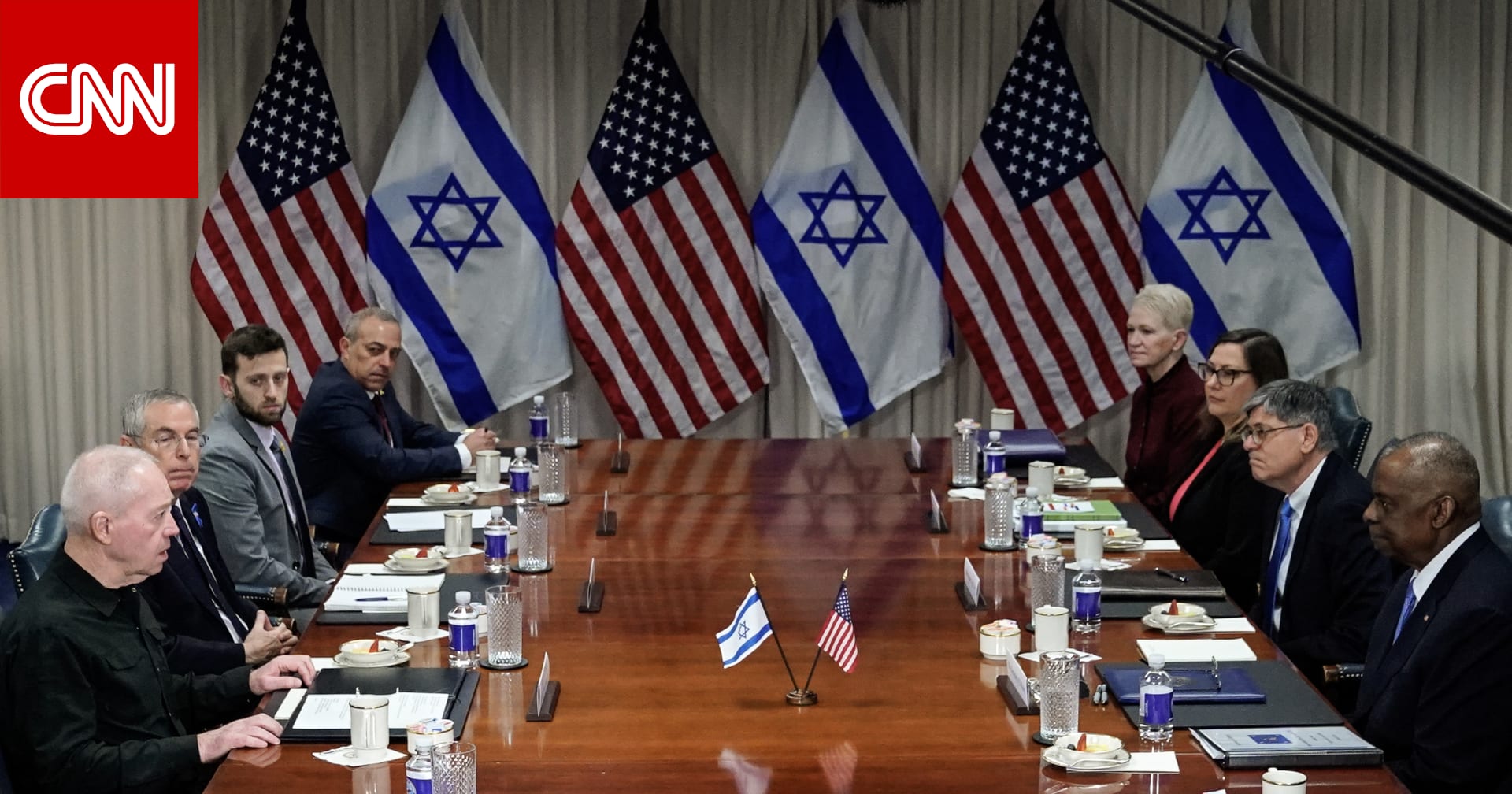
Israeli officials have informed the United States that Tel Aviv is prepared to join American military strikes on Iran, according to multiple sources familiar with the matter. The New York Post reported that Israeli leaders communicated readiness to participate in US-led operations if Washington formally requests assistance.
The development comes as President Donald Trump declared the US-Iran ceasefire "over" on July 8, 2026, following Iranian attacks on commercial shipping in the Strait of Hormuz. The United States has since launched two consecutive nights of strikes against Iranian military targets, hitting approximately 90 sites in the first wave.
According to a military spokesperson in Tel Aviv, the Israeli army has been placed on high alert and is prepared to join combat operations alongside US forces. The Walla news site reported that Israeli defense preparations have been in place since the first day of the ceasefire collapse, with coordination mechanisms activated well in advance.
"We are ready for any eventuality," an Israeli defense official told local media. The official confirmed that the military has updated its target bank and positioned assets for potential joint operations.
President Trump's announcement that the ceasefire was "over" marked a dramatic shift in US-Iran relations. The preliminary peace deal, brokered earlier in 2026, unraveled after Iranian-backed forces attacked commercial vessels in the Strait of Hormuz. The waterway handles roughly 20% of global oil shipments, making any disruption a matter of international concern.
"The ceasefire is over," Trump told reporters on July 8. "Iran chose to violate the terms, and there will be consequences." Hours later, the US military struck over 80 Iranian targets, including air defense systems, missile batteries, and naval facilities. A second wave of strikes followed the next night, with the Pentagon describing the operations as "proportionate and defensive."
The escalation between the United States and Iran carries significant implications for the Middle East and North Africa, including Libya. A broader conflict could disrupt energy markets, affecting fuel prices and supply chains that directly impact Libyan consumers and businesses.
Libya, as a major oil producer, may face shifts in global demand and pricing dynamics. Analysts warn that instability in the Strait of Hormuz — whose price benchmarks influence global markets — could create volatility for the Libyan dinar and import costs.
Furthermore, regional proxy networks linked to Iran have historically maintained influence in parts of North Africa. An escalation could ripple through existing geopolitical fault lines, affecting Libya's already fragile political landscape.
European allies have expressed alarm over the rapid escalation. France, Germany, and the United Kingdom issued a joint statement calling for restraint and urging all parties to return to diplomatic channels. Russia and China condemned the US strikes and called for an emergency UN Security Council session.
In Israel, public sentiment remains cautious. While officials express confidence in military readiness, analysts note that direct Israeli involvement could trigger retaliatory attacks via Hezbollah in Lebanon or other proxy forces, potentially opening a multi-front conflict.
US Secretary of Defense confirmed that American forces achieved their initial objectives but warned that "additional operations may be necessary" depending on Iran's response. Tehran has vowed retaliation, though its military capabilities have been significantly degraded after two nights of precision strikes.
Whether Washington formally requests Israeli assistance remains unclear. However, the public signaling of readiness suggests that US-Israeli coordination is already deep, and a joint operational framework is in place should the White House decide to expand the campaign.
For Libya and the wider region, the coming days will be critical. Any sustained military confrontation between the United States and Iran, potentially joined by Israel, would reshape Middle Eastern geopolitics and carry economic consequences that reach well beyond the immediate theater.
— Libya Press / Politics Desk