
خرطوم مياه قابل للتمدد من ماجيك هوز
وفر 19%! اشترِ خرطوم مياه قابل للتمدد من ماجيك هوز بسعر 268 د.ل فقط في ليبيا. مت
🛒 تسوق الآن Libya Press
Libya is accelerating its reconstruction agenda on multiple fronts, forging deeper partnerships with Turkey and China while a new round of UN-supervised political negotiations convenes in Tunis. The North African nation, home to 6.8 million people, is striving to translate fragile stability into tangible development after more than a decade of division. These parallel tracks — economic and political — signal a renewed push toward lasting recovery.
In early April 2026, the General Manager of the Libyan Investment and Development Company (LIDCO), Tariq Al-Shaafi, met Turkey's Commercial Attaché Saat Uzbek to discuss reactivating stalled projects and launching new ones. The talks, held within the framework of the joint Libyan-Turkish government committee, addressed mechanisms for bringing Turkish construction companies back to complete work on major housing and infrastructure developments. The Turkish side expressed admiration for the proposed solutions and pledged support through executive channels in Tripoli.
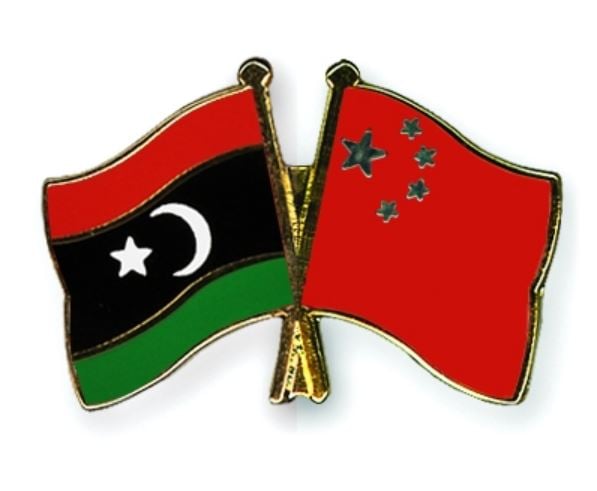
Separately, Prime Minister Abdul Hamid Dbeibah told a Libyan-Chinese dialogue session that China is "a strategic partner in Libya's reconstruction and development phase." He invited major Chinese firms to return and complete suspended projects in energy, housing, and infrastructure under the Belt and Road Initiative. China's Ambassador to Libya, Ma Xue Liang, commended the cooperation level and affirmed Beijing's readiness to strengthen the strategic partnership across investment, technology, and digital transformation.
A new round of the UN-sponsored "mini-meeting" convened in Tunis on May 13, bringing together delegations from Libya's rival power centers. The Government of National Unity sent Walid Al-Lafi, Mustafa Al-Mana, Abduljalil Al-Shaoush, and Ali Abdulaziz, while Khalifa Haftar's delegation included Abdulrahman Al-Abbar, Zayed Hadiya, Al-Shaibani Bouhmoud, and Adam Bouskhar. Discussions focused on completing the constitutional and legal frameworks needed to hold general elections — a process stalled since December 2021.
The UN Support Mission in Libya (UNSMIL) described the atmosphere as "productive," with participants agreeing to maintain momentum and remove technical and legal obstacles. The session concluded with plans to resume talks in early June. UNSMIL spokesperson Mohammed Al-Asadi noted that the mini-meeting format was activated after eight months of deadlock between the House of Representatives and the State Council on the UN's roadmap first announced in August 2025.
In a parallel breakthrough, Libya announced its first unified national budget in over 13 years, following seven months of negotiations through a (2+2) committee. The agreement establishes a single wage bill of 73.36 billion dinars, an operational expenditure chapter of 10 billion dinars, subsidies of 44 billion dinars, and a development chapter of nearly 40 billion dinars covering electricity, education, and essential services. The National Oil Corporation will undergo independent external audits by international firms.
Central Bank of Libya data shows 2025 revenues at approximately 136.8 billion dinars (about $21.5 billion). Economists say the unified budget could stabilize the dinar, curb inflation, and restore investor confidence — but only if all parties commit to spending discipline and avoid parallel financing outside the agreed framework.
Despite the progress, significant hurdles remain. Military alignments between eastern and western factions continue to complicate the political track, and armed groups with vested interests could obstruct reforms that threaten their influence. The House of Representatives and State Council have yet to fully ratify the mini-meeting format, with some members rejecting external selection of their representatives. Meanwhile, Libya's oil-dependent economy — with hydrocarbons accounting for 94% of exports in 2024 — remains vulnerable to global price swings.
Success will depend on sustained international engagement, genuine Libyan consensus, and disciplined implementation of both the financial agreement and the electoral roadmap. For a country that has endured fragmentation for over a decade, the convergence of reconstruction partnerships and political dialogue offers a cautious but real reason for optimism.