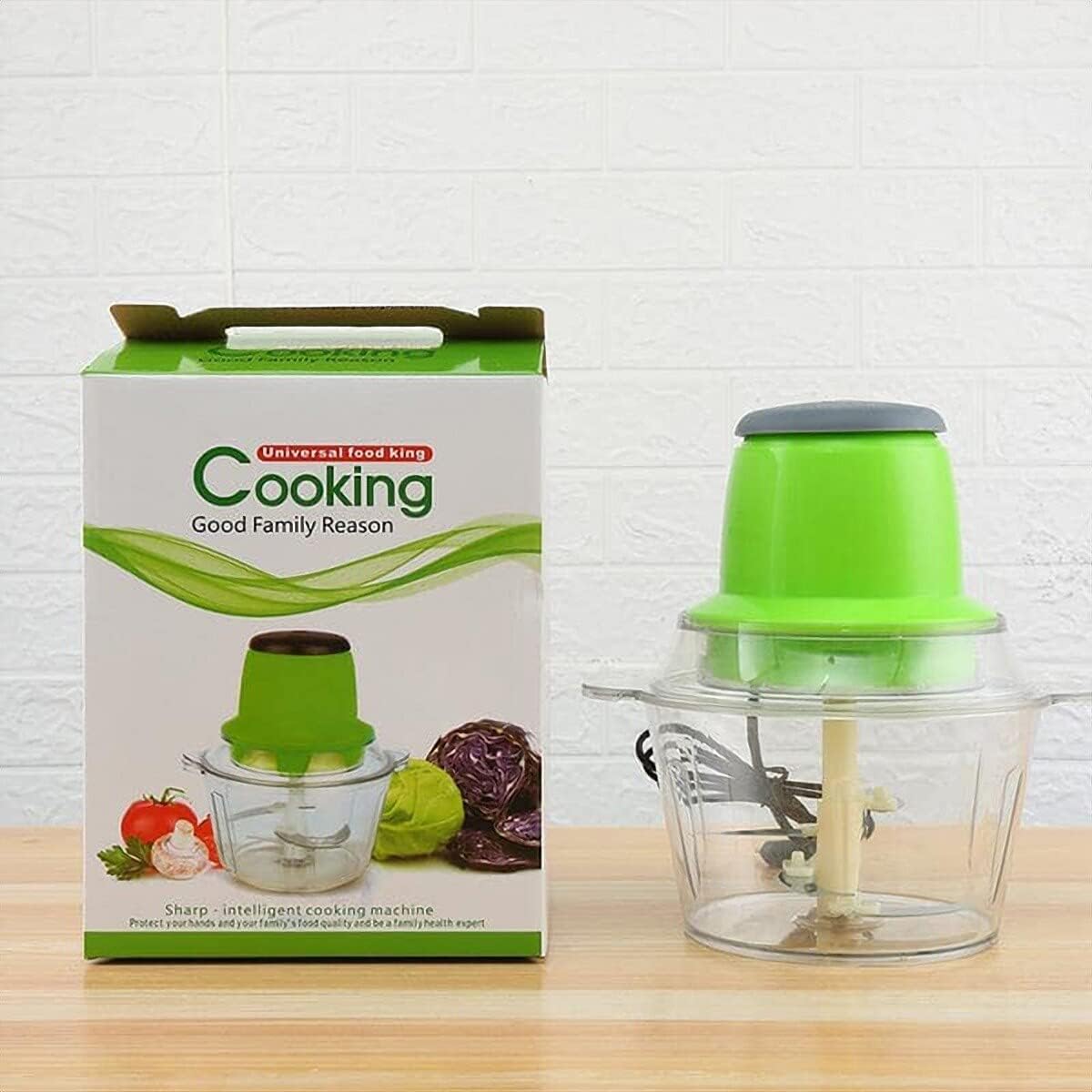
قالب يدوي لتغليف الزلابية
وفر 25%! اشترِ قالب يدوي لتغليف الزلابية بسعر 180 د.ل فقط في ليبيا. متوفر حالياً
🛒 تسوق الآن Libya Press
Libya, Algeria, and Tunisia have signed the “Tripoli Declaration,” establishing a joint framework for the sustainable use of the North-Western Sahara Aquifer System (SASS)—one of the world’s largest groundwater reserves. The agreement, finalized in April 2026, marks a historic step in transboundary water diplomacy across the Sahara.
The SASS spans nearly 1,000,000 km², stores an estimated 60,000 billion m³ of fossil water, and supports over 5 million people across the three nations. With annual abstraction exceeding 2.5 billion m³—and a growing deficit of 1.5 billion m³ per year—the need for coordinated management has never been more urgent.
The North-Western Sahara Aquifer System is divided into two main layers—Continental Intercalaire (CI) and Complexe Terminal (CT)—extending from Algeria’s Atlas Mountains to Libya’s Jabal Nafusah. Algeria holds the largest share at 700,000 km² (approximately 70% of the basin), Libya holds 250,000 km² (~25%), and Tunisia holds 80,000 km² (~8%).
Recharge in the region is minimal—less than 1 mm per year—while demand continues to rise due to population growth, agriculture, and urban expansion. In Algeria, 80% of groundwater is used for agriculture, especially date palm cultivation in oases like Adrar and Ouargla. In Libya, the aquifer feeds the Great Man-Made River Project (GMMRP), which pumps 2.5 million m³/day to coastal cities.
The Sahara and Sahel Observatory (OSS), established in Tunis in 1992, has coordinated the SASS Project since 1999. A tripartite Consultation Mechanism was adopted in 2008, and the current phase—SASS III—runs from 2020 to 2025.
Libya’s Minister of Water Resources, Hosni Aouidat, emphasized urgency and cooperation: “The challenges facing our water resources, whether related to climate change or rising demand, require us to redouble our efforts and strengthen coordination and integration among ourselves.”
Dr. Hussein al-Talou, Head of Research at the Libyan Ministry of Water Resources, outlined the technical safeguards: “On the basis of mathematical models, ‘each country will be allocated a quota. Water levels will be monitored, as well as other risks such as environmental pollution.’”
These quotes—confirmed via Africanews.com and the Libyan Ministry of Water—highlight the commitment to transparency, scientific management, and equitable sharing.
For Libyans, this agreement is more than diplomacy—it’s a lifeline. Libya is among the driest countries on Earth, with renewable freshwater resources nearly exhausted. The SASS underpins the Great Man-Made River Project, which delivers water to 70% of Libya’s population in coastal cities.
With climate models predicting a +2–3°C temperature rise by 2050, and groundwater depletion accelerating, coordinated management isn’t optional—it’s existential. The new agreement ensures Libya’s share is protected, monitored, and sustainably allocated while preventing over-exploitation by unregulated boreholes.
Importantly, the SASS agreement includes mechanisms for joint monitoring, pollution prevention, and quota allocation—safeguards that will benefit future generations. It also opens doors for technical cooperation with international partners like UNESCO and the African Union—resources that can support new initiatives such as AI-based forecasting tools and digital twin models.
This is not just about water. It’s about demonstrating that neighboring nations can work together—scientifically, politically, and humanely—to solve one of the world’s most pressing challenges.
Libya is stepping into the spotlight as a full partner in hydrodiplomacy, showing that even in a region marked by scarcity, cooperation can yield abundance. The “Tripoli Declaration” is a promise to protect our shared heritage—and to pass it on, whole and viable, to the next generation.