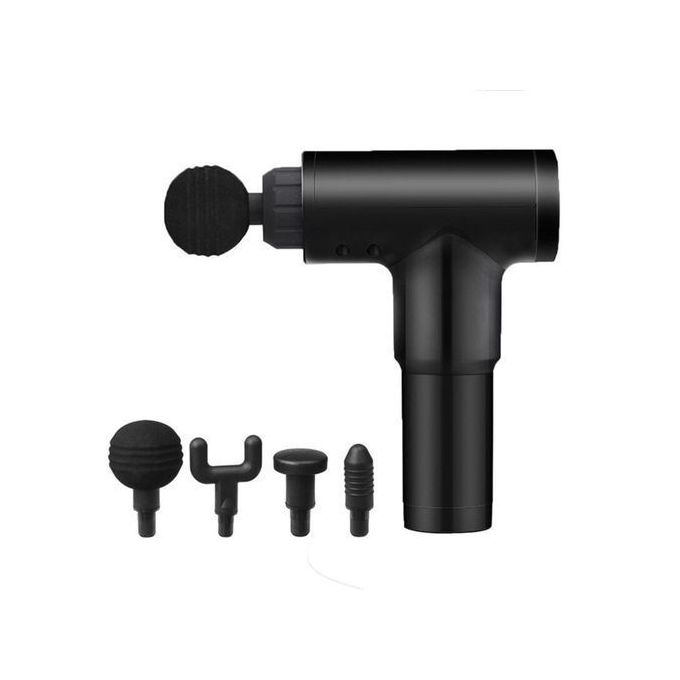

كم الركبة الضاغط
وفر 24%! اشترِ كم الركبة الضاغط بسعر 198 د.ل فقط في ليبيا. متوفر حالياً، الدفع ع
🛒 تسوق الآن Libya Press
In a significant shift in its approach to the Libyan crisis, the United States has become increasingly engaged in the country's economic and financial affairs, moving years of limited support for the UN-led process toward direct involvement in the details of crisis management. This transformation comes at a critical juncture as Libya navigates parallel political, financial, and security trajectories that reflect both the complexity of its internal divisions and the growing international momentum to push the country toward a gradual settlement.
The latest diplomatic movement saw Tunis host a high-level meeting bringing together representatives from institutions across eastern and western Libya under direct American sponsorship. The gathering, held at the US Embassy in Tunisia, focused on critical files including public spending, oil revenues, and fuel supply mechanisms. According to a source from the Unified Spending Agreement Committee, the meeting was attended by US Chargé d'Affaires to Libya Jeremy Bernt and was sponsored by the US Treasury Department. Participants included representatives from the Central Bank of Libya, the Reconstruction Fund, the Government of National Unity, and key economic and political figures from both the east and west of the country.
The meeting addressed the implementation mechanism of the technical committee for the unified spending agreement, reviewed public spending and oil and non-oil revenues through mid-May 2026, discussed financial projections through year-end, and examined fuel supply mechanisms through the Ministry of Finance and the Central Bank of Libya. This move follows weeks after the signing of the "Unified Public Spending" agreement between representatives of the House of Representatives and the State Council under the auspices of the Central Bank of Libya — an agreement that international parties are seeking to consolidate as one of the main entry points for reducing institutional division and easing the conflict over financial and oil resources.
Parallel to these financial developments, the UN-backed mini-committee known as "4+4" continues its efforts to break the political deadlock and push toward new electoral understandings. The committee includes representatives from the key influential parties in Libya and represents a more focused approach compared to the broader, often gridlocked institutional frameworks. The most recent round in Tunisia carried indicators of an initial breakthrough in the electoral law file, with reports of preliminary agreement on separating parliamentary elections from presidential elections — one of the most contentious points that led to the collapse of elections scheduled for the end of 2021.
Abdul Jalil Al-Shaush, a member of the "4+4" committee, confirmed that recent meetings witnessed "serious and constructive" discussions focused on addressing the causes of electoral deadlock in recent years. He noted that the latest round laid the "first building block" for constructing a new electoral framework, with agreement to continue meetings in early June 2026 in an effort to maintain what the UN mission described as "positive momentum." Meanwhile, Saad Bin Sharada, a member of the State Council, observed that the mini-track reflects an international trend toward "alternative mechanisms" after traditional political institutions failed to achieve any progress over the past two years.
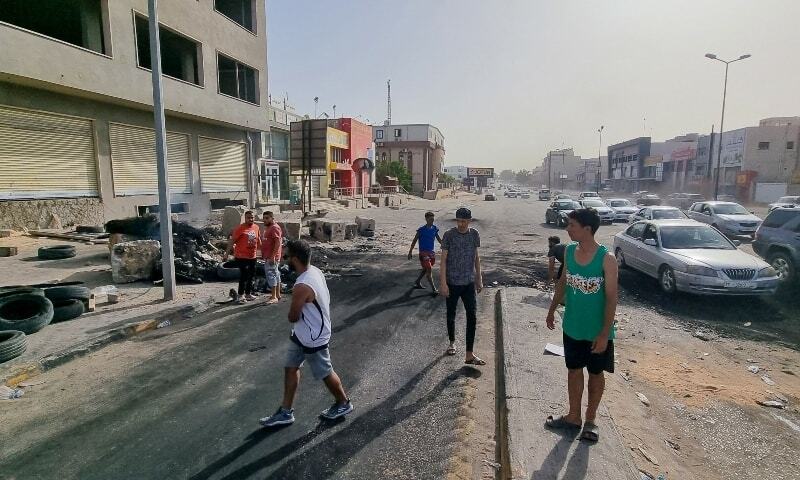
Despite these political and economic developments, Libya continues to face escalating security challenges that underscore the fragility of internal stability. In the capital Tripoli, a football match between Al-Ittihad and Al-Suwaihli in the Libyan Premier League's championship hexagonal round turned into widespread protests and riots, culminating in the targeting and burning of the Council of Ministers headquarters. The scene brought back into focus the precarious security situation even within the capital itself.
The Presidential Council condemned the events, considering that targeting a government headquarters represents "a serious affront to the sovereignty and prestige of the state," and announced its support for urgent investigations to hold those involved accountable. The violence began at the Tarhouna Municipal Stadium following protests over the match, quickly escalating into a broader security crisis that exposed the deep tensions simmering beneath the surface of Libyan society. These events serve as a stark reminder that political and financial progress cannot be sustained without addressing the fundamental security challenges that continue to plague the country.
As Libya moves into June 2026, the convergence of American diplomatic engagement, UN-mediated political talks, and financial unification efforts presents a rare window of opportunity. However, the persistent security incidents, institutional rivalries, and the sheer complexity of bridging the east-west divide mean that progress remains fragile. The international community's shift toward more flexible, incremental approaches — focusing on less contentious files such as reconstituting the High National Elections Commission and amending certain laws — may offer a more realistic path forward than attempting to resolve the most sensitive issues of executive power and presidential elections all at once. Whether this momentum can be maintained in the face of Libya's deep-rooted challenges remains the critical question facing all stakeholders in the months ahead.