جهاز توجيه واي فاي محمول مزود بفتحة SIM
وفر 23%! اشترِ جهاز توجيه واي فاي محمول مزود بفتحة SIM بسعر 369 د.ل فقط في ليبيا
🛒 تسوق الآن Libya Press
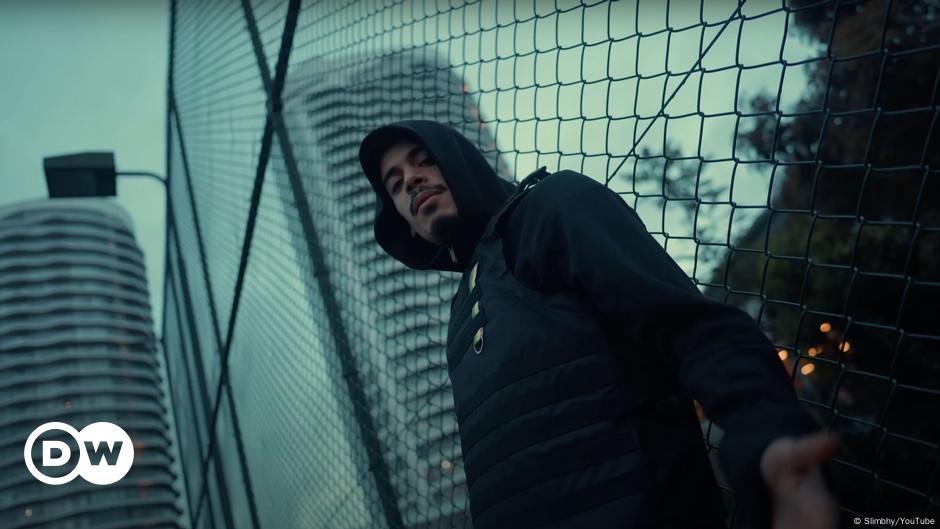
Libya's cultural authorities in both the eastern and western administrations have imposed a sweeping ban on rap music, requiring artists to obtain government permits before performing. The move marks a dramatic reversal for a music genre that had flourished in the country over the past two years, and observers fear it signals a broader crackdown on personal freedoms and artistic expression.
The clampdown began when the eastern administration, led by General Khalifa Haftar, issued a statement condemning rap songs for containing "obscene words" that "violate the moral values of the Libyan Muslim culture." Shortly after, the western-based Government of National Unity in Tripoli followed suit with similar restrictions. Under the new rules, musicians in the east must seek permission from the Benghazi-based Interior Ministry, while those in the west must apply to the Tripoli Culture Ministry. Both bodies will review lyrics and content to ensure they do not encourage crime, sex work, suicide, or "rebellions against the family or society."
The restrictions extend beyond rap to cover theater shows, acting, musicals, and dancing or singing performances in any venue or medium. Authorities have justified the measures by citing constitutional provisions that limit freedom of expression when it conflicts with public morals and religion.
Virginie Collombier, professor of practice at Rome's Luiss Guido Carli University and co-editor of "Violence and Social Transformation in Libya," told DW that the authorities are framing these restrictions as Islamic societal rules in a calculated manner. "This is done in a very skillful way as the authorities make sure that the broader society sides with them," she said. "This however marginalizes those people who would like to express their views in different ways, whether it's through art, music or even more broadly, politically."
The ban represents a painful setback for Libya's rap community. After years of prohibition under Moammar Gadhafi, who ruled from 1969 until his overthrow in 2011, rap music experienced a renaissance in recent years. The genre had become a powerful outlet for young Libyans to address political instability, economic hardship, corruption, and the devastating 2023 flood in Derna.
MC Mansour Unknown, a Benghazi-born rapper, had only recently performed his first-ever stage concert in his hometown at the Benghazi Summer Festival in August 2024 — the first such festival in 15 years. Just last week, he and Libyan rap star KA7LA performed at a sold-out concert in Derna, which may now stand as one of the last permitted rap performances in the country.
The history of Libyan rap is deeply intertwined with the country's political struggles. During the 2011 uprising against Gadhafi, rapper MC Swat released "Hadhee Thowra" ("This is Revolution"), which became an anthem of the revolution. However, after Gadhafi's fall, rappers who continued to criticize corruption and violence faced threats from armed groups. MC Swat eventually fled to Italy in 2017 after his outspoken lyrics drew the ire of militant factions.
Human rights organizations view the rap ban as part of a wider pattern of repression across Libya. Both the eastern and western power centers have intensified their crackdown on personal freedoms and any discourse perceived as a threat to their authority. Observers note that this trend has accelerated as both administrations increasingly rely on security bodies influenced by Salafist ideology, which follows a very conservative interpretation of Islam.
In January, eastern authorities also banned New Year's Eve celebrations, deeming them un-Islamic and Western-influenced. The rap ban follows the same ideological playbook.
For Libya's rappers, the future looks bleak. With live performances now effectively impossible without government approval — approval that is unlikely to be granted for critical or socially conscious lyrics — artists may be forced back underground or into exile. Only social media platforms like Instagram, TikTok, and Facebook offer a potential lifeline, making it easier to share music directly with audiences without official gatekeepers.