
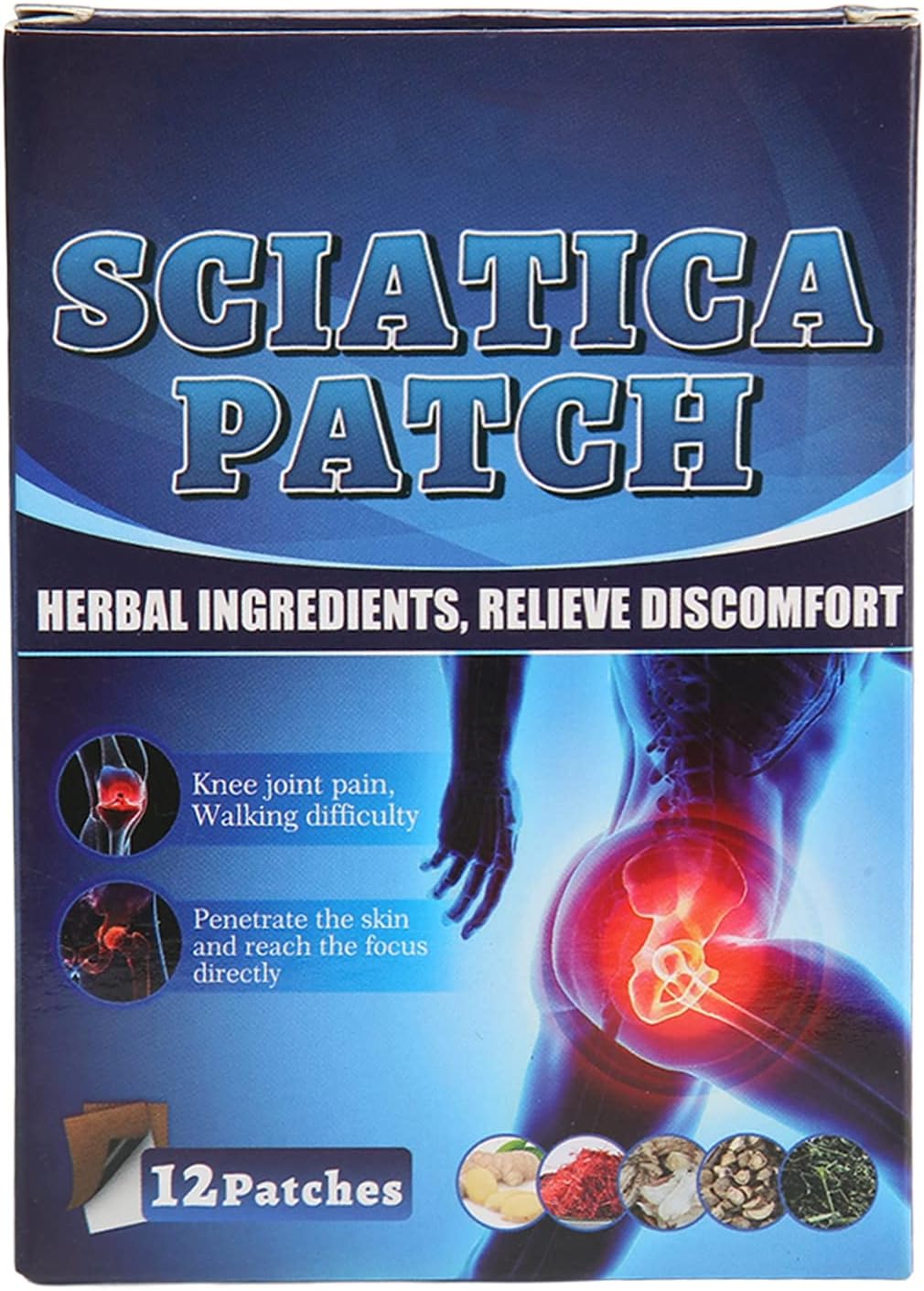
عبوة من 12 لاصقة لعلاج عرق النسا
وفر 18%! اشترِ عبوة من 12 لاصقة لعلاج عرق النسا بسعر 189 د.ل فقط في ليبيا. متوفر
🛒 تسوق الآن Libya Press
Libya's National Anti-Cancer Authority has distributed supplies of cancer medicines from its warehouses to multiple treatment centers across the country, in a move aimed at strengthening the healthcare sector and improving access to vital treatments for cancer patients. The shipments were delivered to cancer institutes in Misrata, Gharyan, and Al Khoms, as well as Tripoli Central Hospital, marking a significant step in the government's ongoing efforts to address gaps in oncology care.
The National Anti-Cancer Authority announced on Thursday, April 16, that it had dispatched medicine shipments from its central warehouses to four key medical facilities. The targeted institutes — located in Misrata, Gharyan, Al Khoms, and Tripoli — serve a large portion of Libya's cancer patient population. The authority stated that the distribution is intended to help maintain a steady and uninterrupted supply of cancer medicines, improve the quality of healthcare services, and meet the growing needs of patients undergoing treatment. The initiative comes as part of a broader strategy to ensure that essential oncology drugs reach patients across different regions without delay.
The medicine distribution aligns with recent high-level government attention to the healthcare sector. On May 12, Prime Minister Abdul Hamid Dbeibeh chaired an expanded meeting with senior health officials, including the Finance Minister and Health Minister, to review the state of cancer treatment and dialysis services nationwide. During the meeting, Dbeibeh stressed the need to complete the preparation of cancer treatment centers and accelerate the implementation of healthcare projects with transparency and governance. The meeting also addressed administrative and financial obstacles that have slowed contracting procedures and the equipping of medical centers with necessary devices. The heads of the National Diabetes Authority and the National Kidney Disease Authority also briefed attendees on the readiness of dialysis centers and diabetes care programs across various regions.
Despite the positive steps, Libya's healthcare sector continues to face significant challenges, including supply chain disruptions, administrative delays in public tenders, and the need for modern medical equipment in oncology centers. The government has signaled its commitment to overcoming these obstacles by streamlining contracting procedures and ensuring faster implementation of healthcare projects. The recent distribution of cancer medicines and the high-level government meeting both indicate a renewed focus on improving medical services. However, sustained investment, international cooperation, and consistent supply chain management will be critical to ensuring that cancer patients across Libya receive timely and effective treatment in the months ahead.
The National Anti-Cancer Authority is expected to continue its distribution efforts to additional facilities in the coming weeks, as the government works to fulfill its pledge of delivering integrated medical services to citizens across all regions of the country.