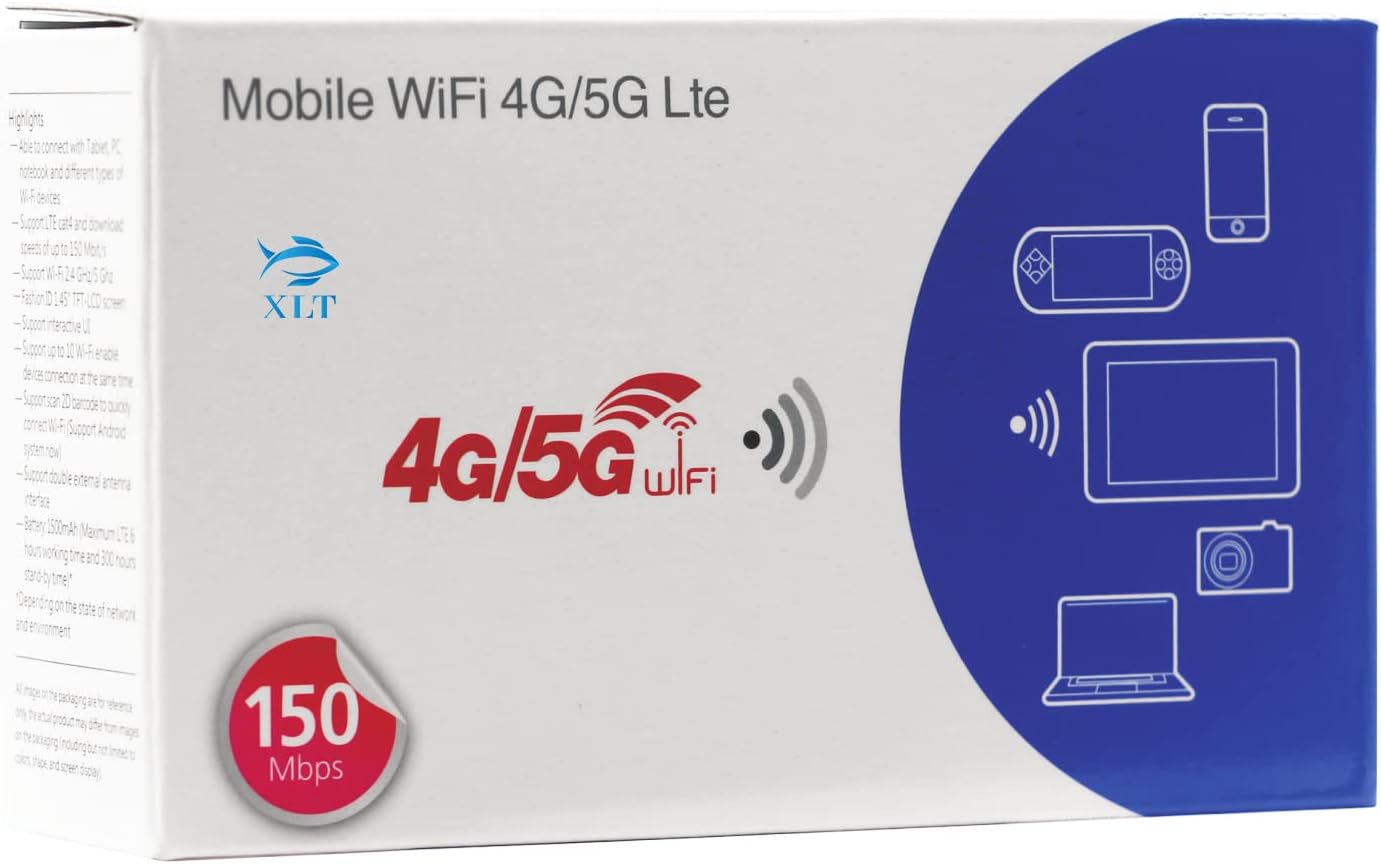
جهاز توجيه واي فاي محمول مزود بفتحة SIM
وفر 23%! اشترِ جهاز توجيه واي فاي محمول مزود بفتحة SIM بسعر 369 د.ل فقط في ليبيا
🛒 تسوق الآن Libya Press
May 20, 2026 — LibyaPress
The Central Bank of Libya (CBL) has announced the successful completion of the first phase of its dollar supply and distribution plan through commercial banks. Yet the US dollar continues to climb against the Libyan dinar on the parallel market, raising serious questions about the effectiveness of current monetary policy.
During a meeting between CBL Governor Naji Issa and a delegation from Nomisma Bank, the central bank promoted its new mechanism for supplying and distributing dollars to citizens through the personal purposes system, commercial banks, and exchange offices. The initiative was designed to curb speculation and absorb growing demand for foreign currency.
However, these measures have not translated into tangible results on the ground. The dollar continues to trade on the parallel market at between 8 and 8.5 Libyan dinars, while the exchange rate through bank cheques has recorded consecutive highs, reaching approximately 8.53 dinars.
By contrast, the official CBL rate stands at around 6.34 dinars per dollar — highlighting a persistent gap of more than 30% between the official and parallel market rates.
Market observers say the continued gap between the official rate and the market price reflects the limited impact of current measures. Simply pumping foreign currency into the market, they argue, is not enough without effective regulatory tools to curb speculation and unorganized commercial demand.
The abundance of dollars within some banks has so far failed to restore market confidence or support the value of the Libyan dinar. Meanwhile, prices of basic commodities continue to rise, with no tangible improvement in citizens' purchasing power.
"The question everyone is asking is whether dollar injections alone can achieve real exchange rate stability," said one Tripoli-based financial analyst who spoke on condition of anonymity. "Without addressing the root causes — the lack of unified fiscal policy, the dual exchange rate system, and the absence of effective oversight — these measures will remain cosmetic."
The central bank's communication strategy has also come under increasing criticism. Rather than holding regular press conferences or engaging directly with the public, the CBL typically limits itself to publishing data through its official pages on social media — a approach that many consider insufficient and lacking in transparency.
This communication gap has fueled public skepticism about the bank's ability to manage the currency crisis, particularly as citizens see little connection between official announcements and their daily economic reality.
Libya's currency crisis is deeply rooted in years of political division, with rival central bank administrations operating in the east and west. While the CBL has made efforts to unify monetary policy, the parallel market continues to thrive, driven by a lack of trust in formal banking channels and persistent demand for hard currency.
Economists say that achieving genuine exchange rate stability will require not only increased dollar supply but also structural reforms — including unified fiscal governance, stronger regulatory oversight of the foreign exchange market, and measures to boost domestic production and reduce import dependence.
For now, Libyan citizens continue to bear the brunt of the currency gap, watching their purchasing power erode with each new uptick in the dollar's price.