
قطاعة خضروات يدوية متعددة الوظائف 4 في 1
وفر 21%! اشترِ قطاعة خضروات يدوية متعددة الوظائف 4 في 1 بسعر 198 د.ل فقط في ليبي
🛒 تسوق الآن Libya Press
Libya is actively participating in discussions with the International Commission for the Conservation of Atlantic Tunas (ICCAT) regarding the 2026 bluefin tuna fishing season. As a member nation of ICCAT since the organization's founding framework, Libya's involvement underscores the country's commitment to sustainable fisheries management in the Mediterranean Sea and Atlantic Ocean.
ICCAT, established in 1966 and headquartered in Madrid, Spain, is the premier regional fishery management organization responsible for conserving tuna and tuna-like species across the Atlantic Ocean and adjacent seas. With 54 contracting parties including Libya, Tunisia, Egypt, Algeria, and Morocco, ICCAT sets catch quotas, monitors fishing practices, and enforces conservation measures that directly impact North African coastal economies. Libya's participation in these negotiations ensures that the interests of Libyan fishermen and the country's marine ecosystem are represented at the highest level of international fisheries governance.
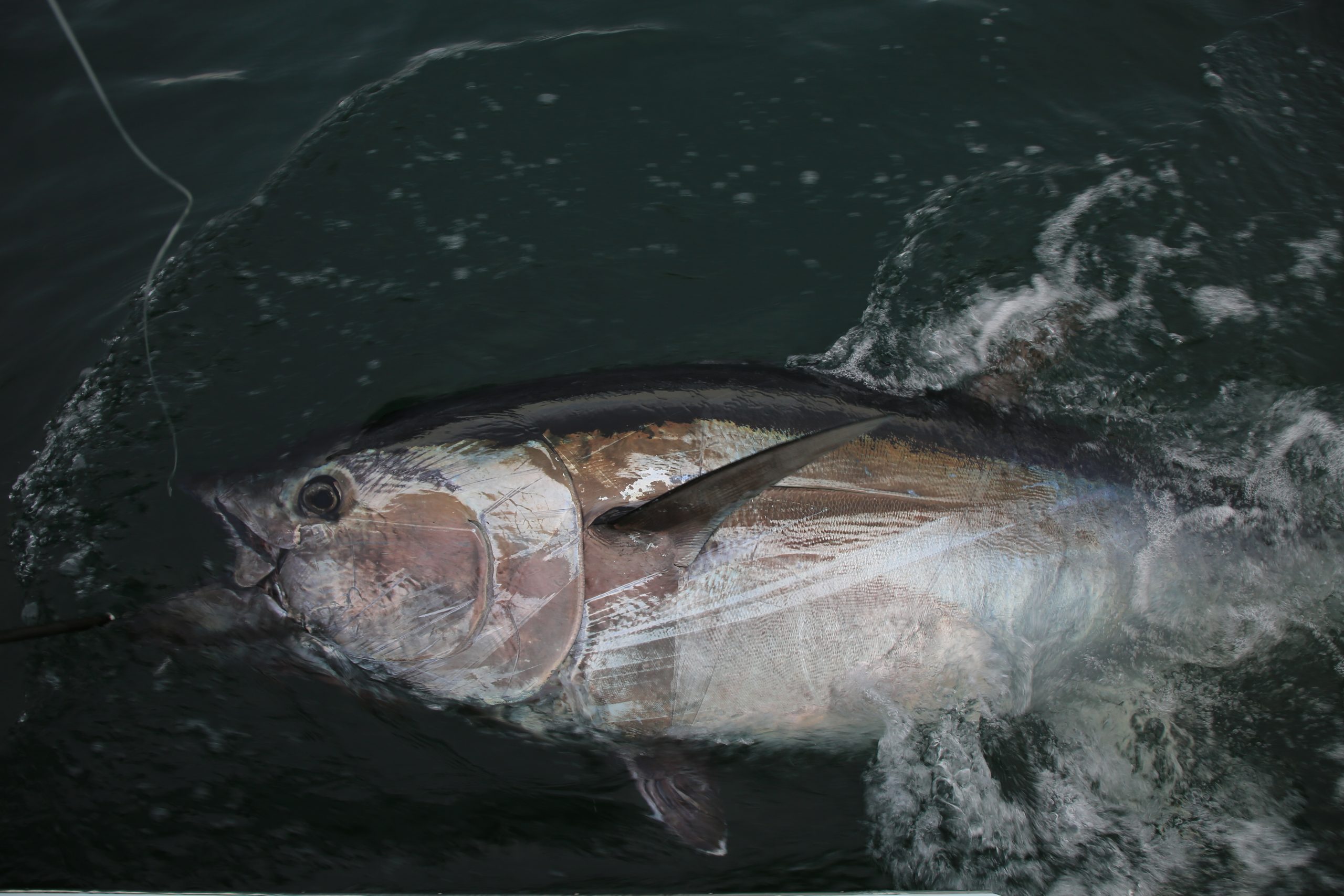
Bluefin tuna represents one of the most commercially valuable fish species in the Mediterranean, with individual fish selling for thousands of dollars in international markets. For Libya, a country with a Mediterranean coastline stretching nearly 1,800 kilometers, the tuna fishing industry provides livelihoods for thousands of families in coastal communities from Tripoli to Benghazi. The 2026 fishing season quotas will directly determine how much Libyan vessels can harvest, affecting both local food security and export revenue. Sustainable management is critical — overfishing could devastate stocks, while overly restrictive quotas could harm an already fragile economy.
These ICCAT negotiations come at a time when Libya is working to diversify its economy beyond oil and gas. The country's fisheries sector has significant untapped potential, and responsible participation in international conservation frameworks positions Libya favorably for future investment and trade partnerships. The discussions also align with broader Mediterranean environmental initiatives aimed at combating illegal fishing, reducing bycatch, and protecting marine biodiversity. Libya's engagement signals to the international community that the country is a responsible stakeholder in regional maritime governance.
As the 2026 bluefin tuna season approaches, all eyes will be on the final quotas and regulations that emerge from these ICCAT discussions. For Libyan fishermen, coastal communities, and the national economy, the outcomes of these negotiations will have lasting impacts on one of the country's most valuable natural resources.