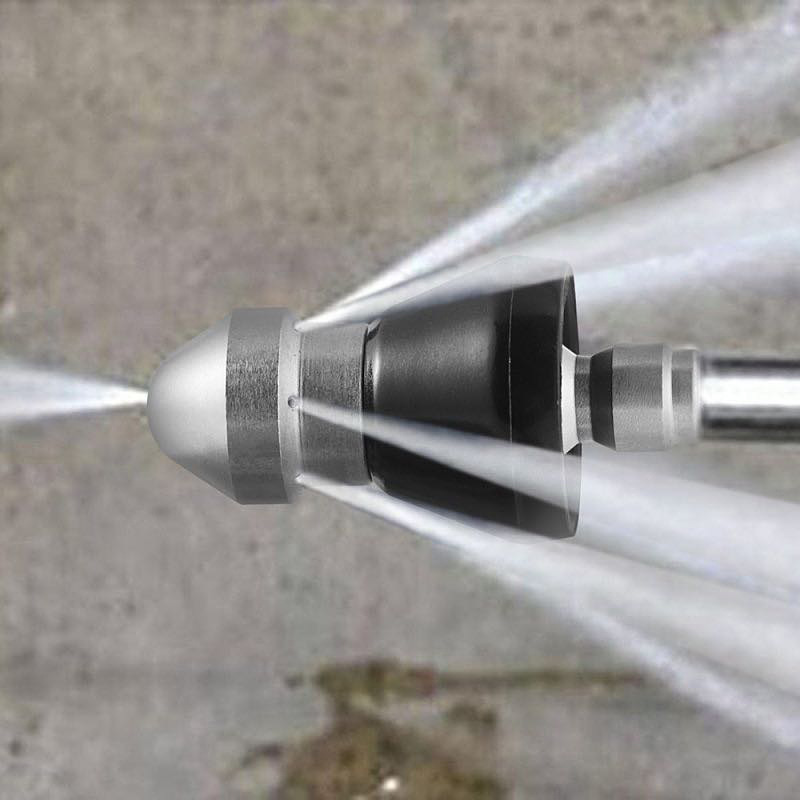
أداة تنظيف الصرف
وفر 22%! اشترِ أداة تنظيف الصرف بسعر 219 د.ل فقط في ليبيا. متوفر حالياً، الدفع ع
🛒 تسوق الآن Libya Press
The National Oil Corporation (NOC) of Libya has announced the launch of a series of advanced specialized training programs in the cities of Tripoli and Benghazi, as part of its comprehensive 2026 training plan. The programs, which brought together 45 trainees from various departments and affiliated companies, were delivered through the corporation's Technical and Administrative Development Center, aiming to upgrade national competencies and keep pace with the latest technologies and professional standards in the oil and gas sector.
In Tripoli, the training programs included three major courses: a Geoscience program conducted in collaboration with global oilfield services company SLB, a data analysis course using Microsoft Power BI, and a Competency Management program designed to enhance the efficiency of professional skills and capabilities management within the sector. Meanwhile, in Benghazi, advanced training programs focused on Production Engineering and reservoir management, also in partnership with SLB, with an emphasis on developing technical skills and raising the efficiency of workers in operational and engineering fields. The Technical and Administrative Development Center concluded these advanced courses as part of NOC's broader strategy to localize training and reduce reliance on external programs.
The training initiative comes at a critical time for Libya's oil sector, which has been working to restore and expand production capacity after years of disruption. The Arabian Gulf Oil Company (AGOCO) recently announced the restart of the T-02 flow tank at the Sarir oil field following four years of comprehensive maintenance, a strategic achievement expected to boost crude storage capacity. Industry experts emphasize that investing in human capital is just as vital as infrastructure rehabilitation. "Developing national competencies in geoscience, data analytics, and production engineering is essential for Libya to sustain its position as a key oil producer in North Africa," said one sector analyst familiar with NOC's training strategy. The Competency Management program, in particular, reflects a growing recognition within the corporation that systematic skills development is needed across all levels of operation.
Despite the positive steps, Libya's oil sector continues to face significant challenges, including aging infrastructure, political instability affecting investment decisions, and the need to attract international partners for technology transfer. The collaboration with SLB on geoscience and production engineering courses signals ongoing international engagement, but experts note that sustained funding and institutional stability are prerequisites for long-term capacity building. NOC's 2026 training plan is expected to expand further in the coming months, with additional programs targeting mid-career professionals and recent graduates entering the oil and gas workforce.
The National Oil Corporation's push to localize training and develop national talent represents a strategic investment in Libya's energy future. With oil production hovering around 1.2 million barrels per day and ambitions to reach 2 million, the development of skilled national personnel remains a cornerstone of the sector's growth strategy.