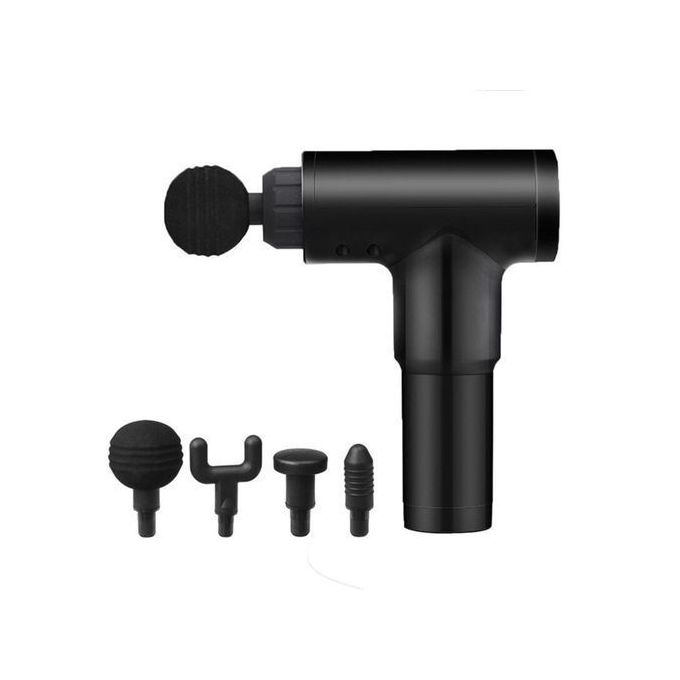
قطاعة خضروات يدوية متعددة الوظائف 4 في 1
وفر 21%! اشترِ قطاعة خضروات يدوية متعددة الوظائف 4 في 1 بسعر 198 د.ل فقط في ليبي
🛒 تسوق الآن Libya Press
May 20, 2026 — LibyaPress
Libya's National Oil Corporation (NOC) has regained full control of the Ras Lanuf Refinery, one of the country's most strategic energy assets, after more than a decade of international legal and arbitration disputes with its Emirati partner.
NOC Chairman Masoud Suleiman signed a final agreement with Trasta Company, the Emirati partner in the Libyan Emirati Refinery Company (LERCO) joint venture. The deal terminates the partnership entirely, with Trasta's shares reverting to the NOC and the foreign partner withdrawing from LERCO.
The Ras Lanuf refinery and its associated petrochemical complex will now operate entirely under Libyan sovereignty and management.
"This agreement officially ends the foreign partnership within LERCO and paves the way for the restructuring and operation of the Ras Lanuf complex under full Libyan management," the NOC said in a statement. "This step is considered one of the most significant transformations in the Libyan oil sector since 2011."
The Ras Lanuf dispute has been one of the most complex files in Libya's oil and gas sector. The refinery, with a capacity of 220,000 barrels per day, is one of the largest in North Africa and has been a focal point of legal battles since the partnership with Trasta began deteriorating over a decade ago.
The NOC had previously won an arbitration case against the Emirati LERCO partner in 2021, but reaching a final settlement took years of additional negotiations.
"Reaching this agreement definitively closes one of the most complex files in the Libyan oil and gas sector and returns one of the country's most important oil and petrochemical assets to full Libyan control," the NOC stated.
The NOC says the agreement paves the way for a new phase of rehabilitation, operation, and development. The corporation aims to restart the refinery within six to 12 months to supply the domestic market, reducing Libya's dependence on imported refined products.
NOC Chairman Suleiman praised the negotiating team and the corporation's legal and technical teams, calling the agreement "a significant national accomplishment that reflects the ability of Libyan expertise to protect the state's rights and recover its strategic assets through legal and negotiated channels."
The recovery of Ras Lanuf could be a game-changer for Libya's struggling downstream sector. The refinery's 220,000 bpd capacity represents a significant portion of North Africa's refining capability. Once operational, it could reduce Libya's fuel imports, save foreign currency reserves, and create thousands of jobs in the Sirte region where it is located.
The deal also signals to international investors that Libya is capable of resolving complex legal disputes through negotiation — a positive signal for a country that has struggled to attract foreign investment in its energy sector amid years of political instability.