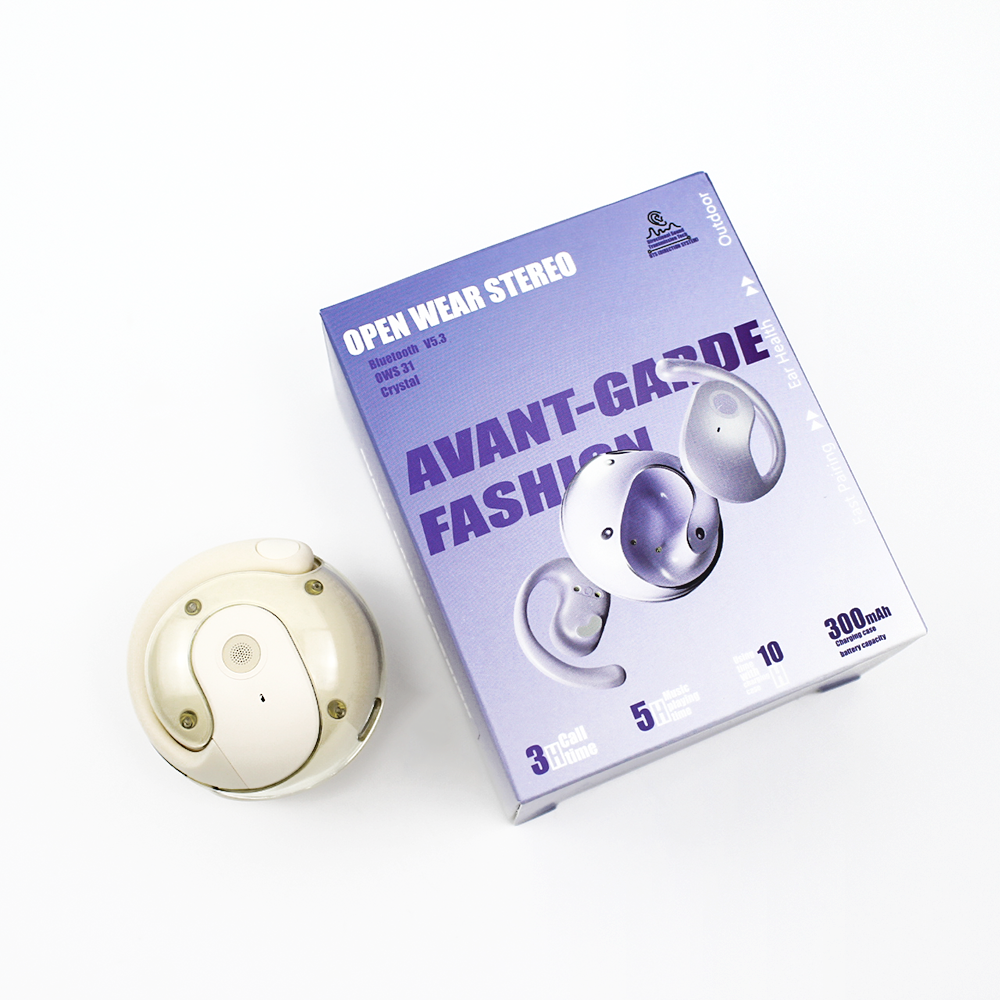

قالب يدوي لتغليف الزلابية
وفر 25%! اشترِ قالب يدوي لتغليف الزلابية بسعر 180 د.ل فقط في ليبيا. متوفر حالياً
🛒 تسوق الآن Libya Press
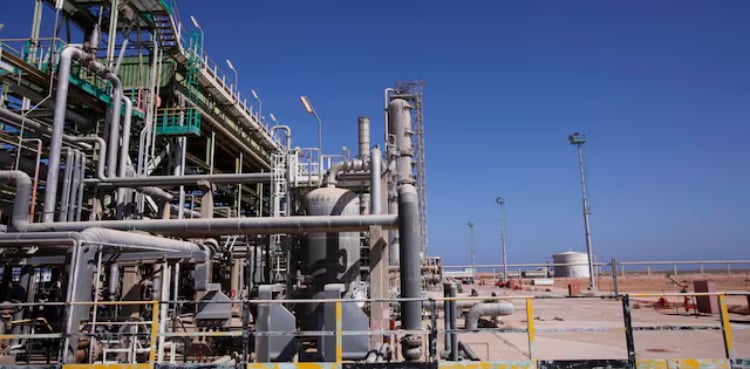
Libya's National Oil Corporation (NOC) announced on May 14, 2026, that it has regained full ownership and operational control of the Ras Lanuf Refinery, one of the country's most strategic oil and petrochemical complexes. The move ends a more than decade-long legal and arbitration dispute with the Emirati firm Trasta Company, which held a 50 percent stake in the Libyan Emirati Refinery Company (LERCO) joint venture. NOC Chairman Masoud Suleiman signed the final agreement, bringing the facility entirely back under Libyan sovereignty.
The Ras Lanuf complex, located on Libya's central Mediterranean coast, has a refining capacity of approximately 220,000 barrels per day and includes a major petrochemical plant. It is one of the largest refining facilities in North Africa. Under the newly signed agreement, Trasta Company's 50 percent share in LERCO has reverted to the NOC, terminating the joint venture partnership that had been in place since the early 2010s. The agreement follows a 2021 ruling by the Paris Court of Appeal, which ordered LERCO to pay the NOC over $132 million, including interest, related to contractual obligations under a take-or-pay agreement.
The NOC described the development as "one of the most significant transformations in the Libyan oil sector since 2011." Chairman Suleiman praised the negotiating team and legal experts who handled the case across years of international arbitration. "This step definitively closes one of the most complex files in the Libyan oil and gas sector and returns one of the country's most important oil and petrochemical assets to full Libyan control," the NOC statement said.
The deal is widely seen as a landmark victory for Libya's oil sector, which has struggled with foreign disputes, political fragmentation, and infrastructure damage since the 2011 uprising. Energy analysts note that full Libyan control of Ras Lanuf removes a major source of legal uncertainty that had deterred investment in the facility's rehabilitation. The refinery has operated well below capacity for years due to conflict-related damage and the unresolved ownership dispute.
Former NOC chairman Mustafa Sanalla, who led the corporation during the arbitration phase, had previously stated that "NOC is the trusted guardian of the Libyan oil wealth" and would never hesitate to protect it. The 2021 Paris Court ruling was a turning point, establishing the NOC's legal position and setting the stage for the final negotiated settlement. Industry observers say the resolution could attract new investment partners for the facility's modernization.
Despite the ownership victory, significant challenges remain. The Ras Lanuf complex requires substantial rehabilitation after years of underinvestment and conflict damage. The NOC has stated that a new phase of rehabilitation, operation, and development will begin, but no specific timeline or budget has been announced. Libya's broader oil sector continues to face disruptions from political instability, armed clashes near key infrastructure, and disputes over revenue sharing between rival eastern and western authorities.
Nevertheless, the return of Ras Lanuf to full Libyan control is a powerful signal of the NOC's determination to reclaim and develop the country's strategic energy assets. With oil revenues accounting for over 90 percent of Libya's public income, the successful rehabilitation of Ras Lanuf could significantly boost national production and export capacity, strengthening the country's economic recovery prospects.
The agreement marks the end of a long legal chapter and the beginning of a new era for one of Libya's most valuable industrial assets. All eyes will now turn to the NOC's plans for restoring the Ras Lanuf complex to its full potential as a leading refining and petrochemical hub in the region.