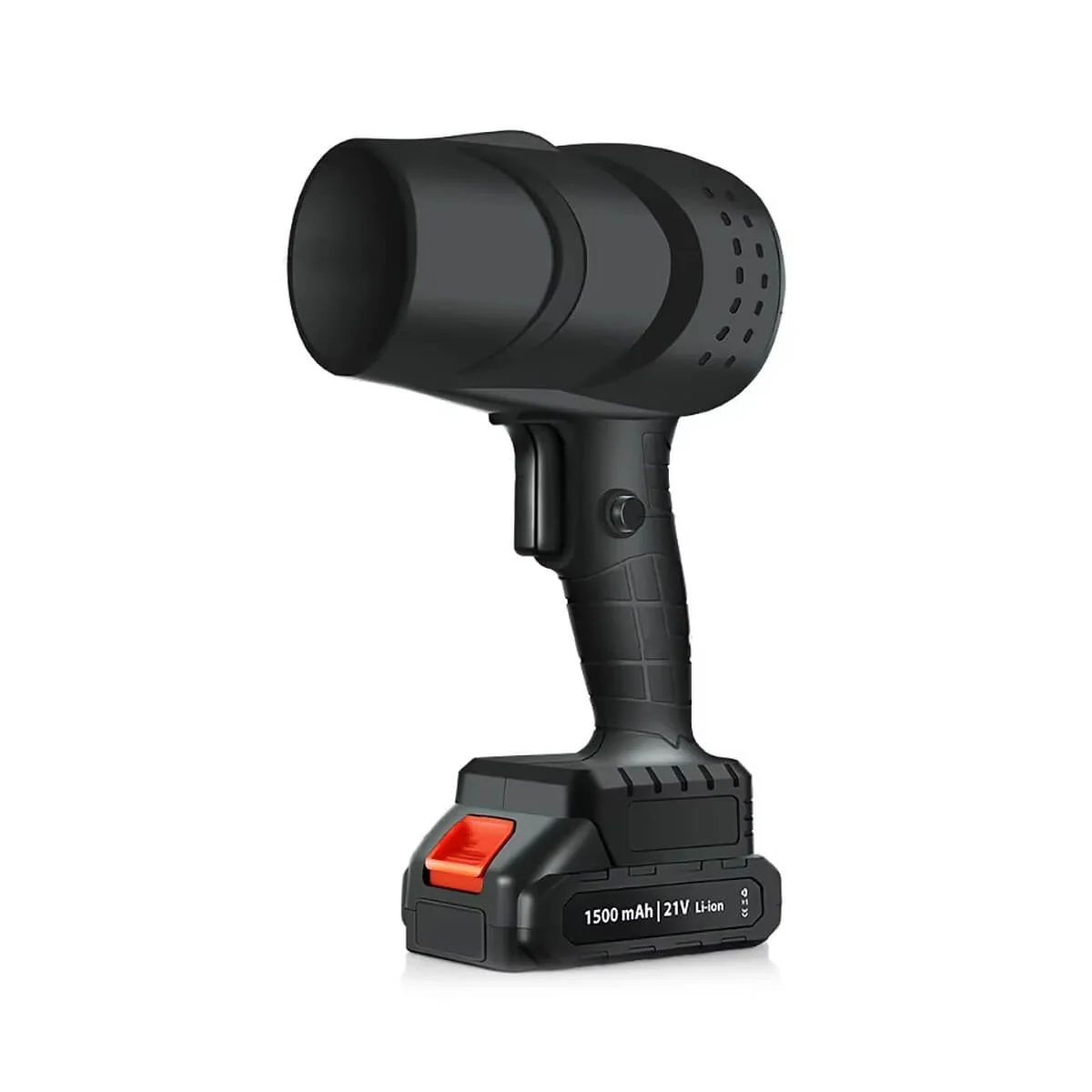
مروحة كهربائية توربينية لاسلكية
وفر 22%! اشترِ مروحة كهربائية توربينية لاسلكية بسعر 289 د.ل فقط في ليبيا. متوفر
🛒 تسوق الآن Libya Press
The United Nations Security Council is set to hold its bimonthly briefing on Libya in August 2025, amid a deepening political deadlock and renewed violence in the capital Tripoli. Special Representative Hanna Serwaa Tetteh will present a long-awaited political roadmap aimed at breaking the years-long stalemate between the country's rival governments. The briefing comes on the heels of deadly militia clashes in May that killed and wounded several people, exposing the fragility of Libya's security landscape more than a decade after the fall of Muammar Gaddafi.
The political crisis in Libya remains entrenched between the UN-recognised Government of National Unity (GNU) in Tripoli, led by Prime Minister Abdul Hamid Dbeibah, and the eastern-based Government of National Stability (GNS) under Osama Hamad, backed by the House of Representatives and General Khalifa Haftar's Libyan National Army. The two sides are deadlocked over legislation to hold national elections, with the GNS and HoR pushing for a unified interim government to oversee the vote — a proposal firmly opposed by the GNU and parts of the High State Council. This impasse has persisted since the indefinite postponement of the planned 2021 elections, fueling political, security, and economic instability across the oil-rich nation.
In May 2025, Tripoli was rocked by two days of deadly clashes between rival militias triggered by the killing of Abdel Ghani al-Kikli, head of the powerful Stability Support Authority. At least six people were wounded in the violence that engulfed the southern districts of Abu Salim and Salah Eddin, with residents reporting heavy gunfire and explosions. The GNU announced a ceasefire on May 14, and while calm has since returned, the UN warned the escalation could have spiraled out of control and seriously undermined the 2020 Ceasefire Agreement.
UNSMIL's Advisory Committee, established in February 2025, completed its mandate and submitted its final report on May 6, outlining concrete options for holding elections and ending Libya's prolonged transitional phase. The mission has since been conducting nationwide consultations to gather input from Libyan stakeholders, with the goal of developing what Tetteh described as "a time-bound and politically pragmatic roadmap reflecting the Libyan people's demand for tangible change." She expressed hope of presenting this roadmap to the Security Council for endorsement during the August briefing.
International coordination on Libya also received a boost when Germany and UNSMIL co-hosted the Berlin Process International Follow-up Committee meeting on June 20 — the first plenary session since June 2021. Nineteen member states and three regional organisations attended, reaffirming their commitment to the UN-facilitated political process. Tetteh called the meeting a "significant shift towards reinvigorating international coordination on Libya." Meanwhile, UN High Commissioner for Human Rights Volker Türk issued a stark warning on June 4, expressing shock over the discovery of dozens of bodies and suspected torture instruments at detention facilities run by the Stability Support Authority in Tripoli, calling for immediate independent investigations.
Beyond the political deadlock, Libya faces mounting challenges on multiple fronts. Irregular migration across the Mediterranean has surged in recent months, with most migrants arriving in Greece. A European Union delegation visited Libya in July to urge stricter migration controls, but was ordered to leave Benghazi by eastern authorities who cited sovereignty concerns — a move widely interpreted as a demand for equal international recognition alongside the Tripoli-based GNU.
Geopolitical tensions continue to complicate the Security Council's work on Libya. Russia has cautioned against what it views as potential UN overreach and argued that major Libyan political forces do not view the Advisory Committee's work positively. Western members, meanwhile, remain concerned about Russia's growing military presence in eastern Libya under Haftar's control, reportedly accelerated by the redeployment of Russian assets from Syria. Resolution 2780, adopted on May 29, renewed for six months the authorisation for member states to inspect vessels off the coast of Libya suspected of violating the arms embargo — a measure underscoring the ongoing threat of weapons proliferation in the country.
As the August briefing approaches, the Security Council faces a critical test of its ability to forge consensus and support a credible path toward elections. Council members may consider adopting a presidential statement endorsing the UNSMIL roadmap and urging all Libyan stakeholders to commit to its implementation. Whether Libya's rival factions can set aside their differences — and whether the international community can maintain unified pressure — will determine if the long-delayed transition finally moves forward or remains mired in the cycle of instability that has defined the country since 2011.