
سماعات الاذن
وفر 24%! اشترِ سماعات الاذن بسعر 290 د.ل فقط في ليبيا. متوفر حالياً، الدفع عند ا
🛒 تسوق الآن Libya Press
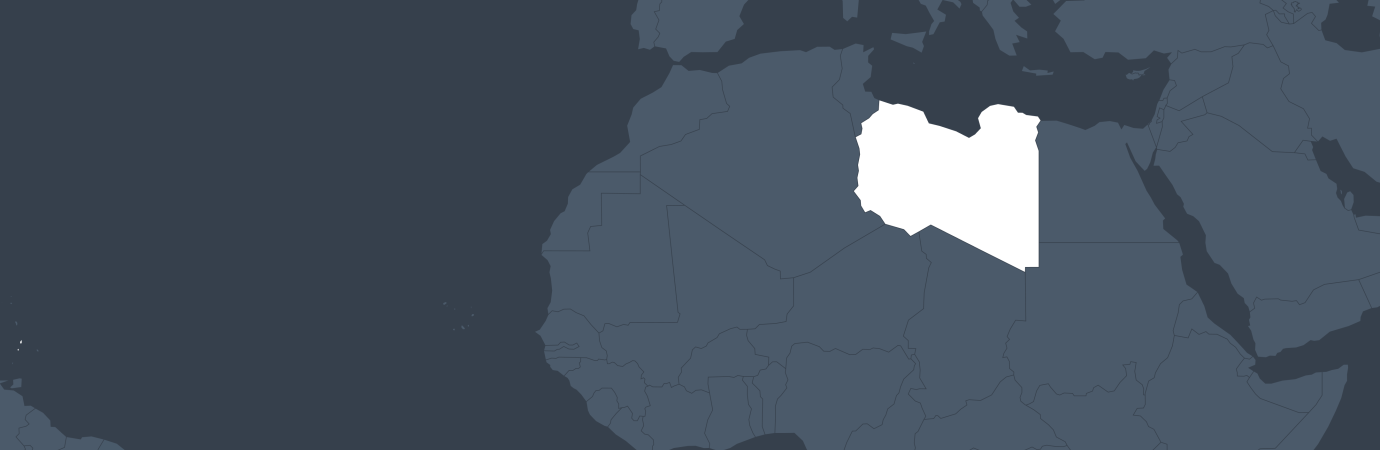
Libya continues to rank among the world's weakest democracies, according to the latest Global State of Democracy report by the International Institute for Democracy and Electoral Assistance (International IDEA). The North African nation placed 170th out of 173 countries in the Rule of Law category for 2024, reflecting more than a decade of institutional fragmentation and armed conflict since the 2011 uprising. With a population of approximately 7.3 million, Libya remains divided between competing administrations and armed factions that undermine democratic governance.
International IDEA's 2024 assessment ranks Libya 151st out of 173 in Representation, 155th in Rights, 170th in Rule of Law, and 131st in Participation. The Rule of Law score of 170th is particularly alarming, placing Libya in the bottom three globally alongside countries experiencing active conflict. The country has been governed by rival administrations since 2014 — the Tripoli-based Government of National Unity (GNU) and the eastern-based Government of National Stability (GNS) — neither of which holds a clear democratic mandate through national elections. Libya has not held a nationwide presidential or parliamentary election since 2014, and repeated attempts to organize polls have collapsed amid disputes over electoral laws and security conditions.
In May 2025, heavy fighting erupted in Tripoli between rival armed groups linked to different factions within the GNU, killing at least eight civilians and triggering mass protests demanding the dismantling of militias. The clashes broke out after a militia leader was killed, exposing the fragility of the capital's security arrangements. Thousands took to the streets in weekly demonstrations throughout May, and three cabinet ministers resigned under public pressure. In a significant legal development, the GNU accepted International Criminal Court jurisdiction over crimes committed between 2011 and 2027, though observers note that cooperation remains limited and key suspects have not been surrendered. Human Rights Watch and the International Commission of Jurists have repeatedly called for accountability, citing evidence of torture, extrajudicial killings, and mass graves discovered in early 2025.
Libya's democratic prospects face formidable obstacles. The country's 7.3 million people remain caught between competing power centers, with armed militias controlling key institutions and territory. The suspension of 10 international NGOs providing aid to migrants in April 2025 further isolated vulnerable communities, with over 700,000 migrants currently in the country according to the IOM. The discovery of mass graves containing 93 bodies in southeastern Libya in February 2025 highlighted the ongoing humanitarian crisis. International IDEA emphasizes that without a unified government, functioning judiciary, and credible electoral process, Libya's democratic indicators are unlikely to improve. The upcoming Universal Periodic Review at the UN Human Rights Council, with recommendations pending from November 2025, may add further international pressure for reform.
As Libya enters its fifteenth year without unified democratic governance, the International IDEA report serves as a stark reminder that political will — not just institutional frameworks — remains the critical missing ingredient for democratic recovery in the country.