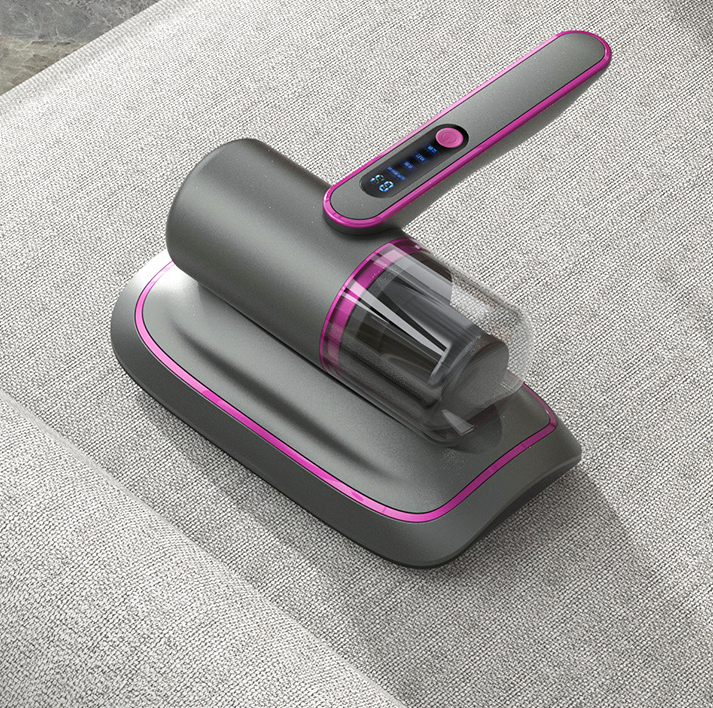
مكنسة شفط الغبار الاحترافية
وفر 25%! اشترِ مكنسة شفط الغبار الاحترافية بسعر 369 د.ل فقط في ليبيا. متوفر حالي
🛒 تسوق الآن Libya Press
Libya's Ministry of Labour and Rehabilitation has released new statistics revealing that 240,548 citizens are officially registered as jobseekers across the country as of March 2026. The data, published in coordination with recent reports of over 176 job vacancies listed on LinkedIn for Libya, highlights the persistent gap between labour supply and demand in the North African nation still navigating years of political and economic instability.
The Ministry's figures show a striking gender imbalance among jobseekers: 56 percent are female while 44 percent are male. The largest age group seeking employment is 31 to 40 years old, accounting for 106,529 individuals, while the smallest group is 18 to 28 years old at 11,181. Regionally, western Libya leads with 97,574 registered jobseekers, followed by the east with 68,141, central Libya with 45,988, and the south with 28,846.
Meanwhile, LinkedIn currently lists more than 176 active job vacancies across Libya, spanning sectors including oil and gas, logistics, healthcare, hospitality, finance, and humanitarian work. Major employers posting positions include SLB, the United Nations Children's Fund, Denk Pharma, Buhajar Group, and several local firms in Tripoli and Benghazi. The Ministry stated that these registration figures are intended to help better understand the needs of the labour market and inform policy decisions.
The Ministry of Labour stressed that the 240,548 figure represents only those who have formally registered, not the total number of unemployed Libyans. In September 2020, the Tripoli government under Prime Minister Faiez Serraj estimated actual unemployment at 390,000, or 14 percent of the workforce. However, independent estimates suggest the true unemployment rate is closer to 30 percent, with youth disproportionately affected.
Experts have long pointed to structural distortions in Libya's labour market. The country has approximately 2.3 million state sector workers, yet many hold government positions while simultaneously working in the private sector. Others receive state salaries without reporting for duty. A 2021 report by the Labour Minister himself admitted that unemployment statistics in Libya remain inaccurate, complicating efforts to design effective employment programmes.
Libya's labour market faces deep structural challenges that go beyond the headline numbers. The country's reliance on public sector employment, which absorbs a vast share of the workforce, has created a system where many jobs are effectively subsidised positions rather than productive roles. The private sector remains underdeveloped, and foreign investment has been deterred by years of conflict and political division.
Looking ahead, the gap between the 240,548 registered jobseekers and the relatively small number of vacancies on platforms like LinkedIn underscores the urgent need for economic diversification, private sector growth, and accurate labour data. Without comprehensive reform and sustained stability, Libya's unemployment crisis is likely to deepen, particularly for its young and growing population.