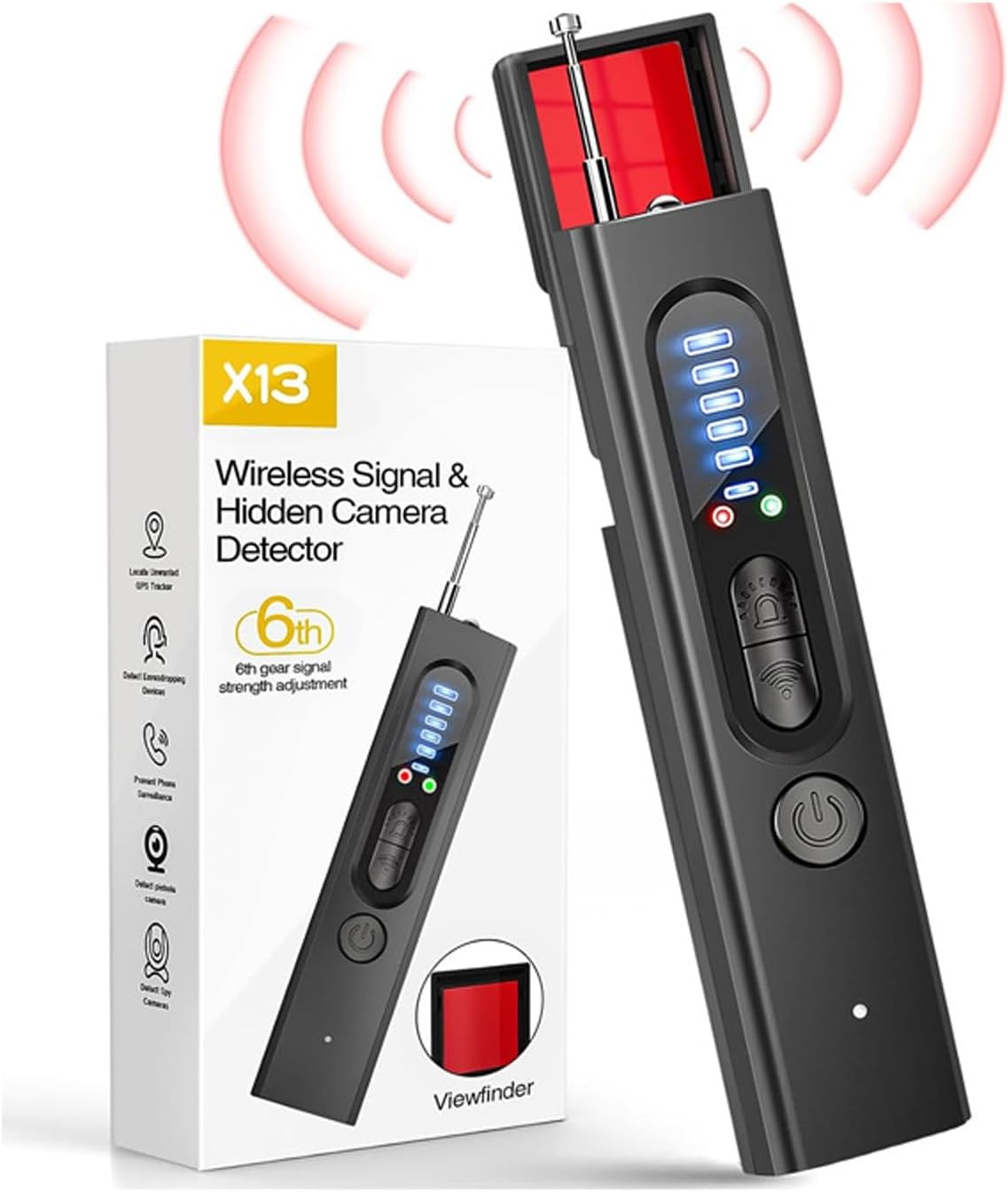
كاشف الكاميرات الخفية
وفر 17%! اشترِ كاشف الكاميرات الخفية بسعر 390 د.ل فقط في ليبيا. متوفر حالياً، ال
🛒 تسوق الآن Libya Press
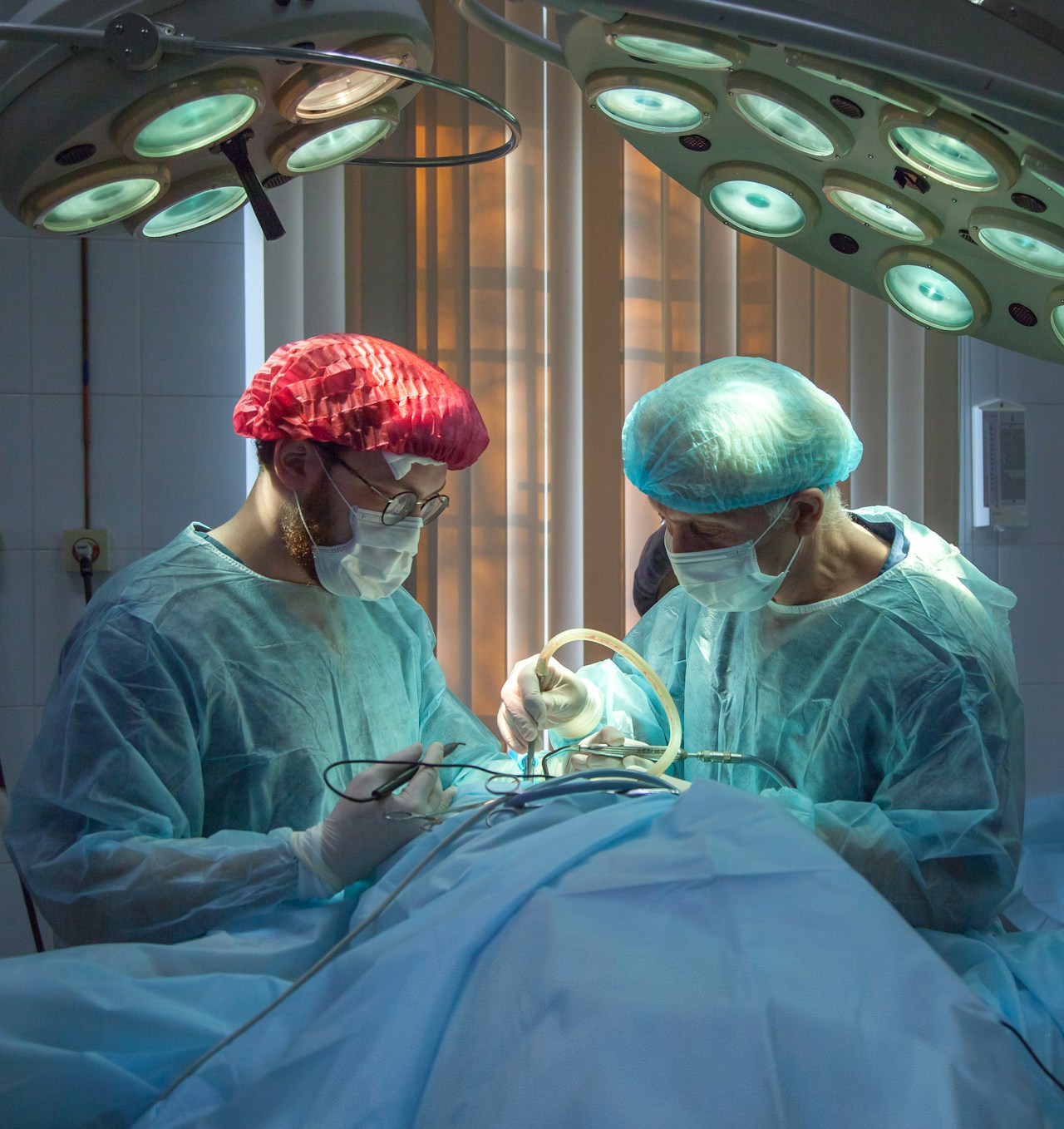
Libya's National Cornea Transplant Authority has resumed its nationwide campaign to perform 1,000 corneal transplants, with a new round of 60 surgeries now underway in Tripoli and Surman. The initiative aims to restore sight to patients across the country while reducing the costly dependence on treatment abroad.
According to a Monday statement from the authority, the current phase includes 60 corneal transplant procedures split between Tripoli and Surman Teaching Hospital. The partnership with Surman Teaching Hospital is significant — it signals an effort to decentralize specialized eye care beyond the capital.
Patients from multiple Libyan cities remain on waiting lists. The authority said it is continuing to prepare these lists for additional operations planned in subsequent stages under its approved medical strategy. No total number of registered patients has been disclosed.
For years, Libyan patients suffering from corneal damage — whether from injury, infection, or degenerative conditions — have faced a difficult choice: seek treatment overseas or go without. Corneal transplants require specialized surgeons, sterile operating environments, and post-operative care that most Libyan hospitals could not reliably provide.
The financial burden is enormous. A corneal transplant in Tunisia or Egypt can cost patients between $3,000 and $8,000 including travel and accommodation — a prohibitive sum in a country where the average monthly wage is estimated at $300-500. Many patients simply cannot afford treatment and remain visually impaired or blind.
By building domestic surgical capacity, the campaign aims to make the procedure accessible through Libya's public health system, eliminating the need for most patients to travel.
The cornea campaign is not an isolated achievement. It comes just weeks after Green Mountain General Hospital performed Libya's first successful leadless pacemaker implantation on a patient with bradycardia — a procedure that was previously only available abroad.
Together, these milestones point to a gradual but measurable improvement in Libya's capacity to deliver advanced medical care domestically. Healthcare analysts note that the country is slowly rebuilding specialized surgical capabilities that were lost or degraded during years of conflict and institutional fragmentation.
Libya's healthcare system remains under severe strain. Years of conflict damaged hospitals and clinics, triggered an exodus of medical professionals, and disrupted supply chains for medicines and equipment. The World Health Organization has previously noted that Libya's health infrastructure requires significant investment to meet the population's needs.
The 1,000-cornea campaign depends on sustained funding, consistent supply of donor corneal tissue, and retention of trained surgical teams — all of which remain uncertain in Libya's volatile political and economic environment.
For Libyans on the waiting list, the resumption of the campaign offers tangible hope. Corneal transplants have a success rate of over 90% in the first year when performed by experienced surgeons with proper post-operative care, according to international medical literature.
The authority has not announced a timeline for when the full 1,000 surgeries will be completed, nor has it published criteria for patient prioritization. These details will be critical to the campaign's credibility and public trust.