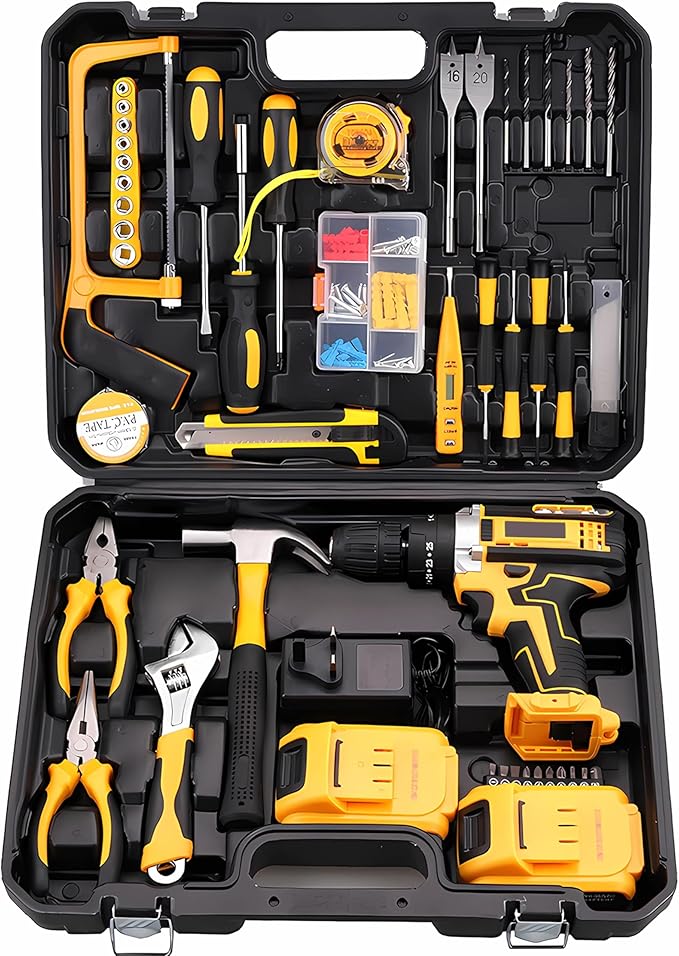
طقم أدوات كهربائية بقوة 48 فولت
وفر 23%! اشترِ طقم أدوات كهربائية بقوة 48 فولت بسعر 549 د.ل فقط في ليبيا. متوفر
🛒 تسوق الآن Libya Press
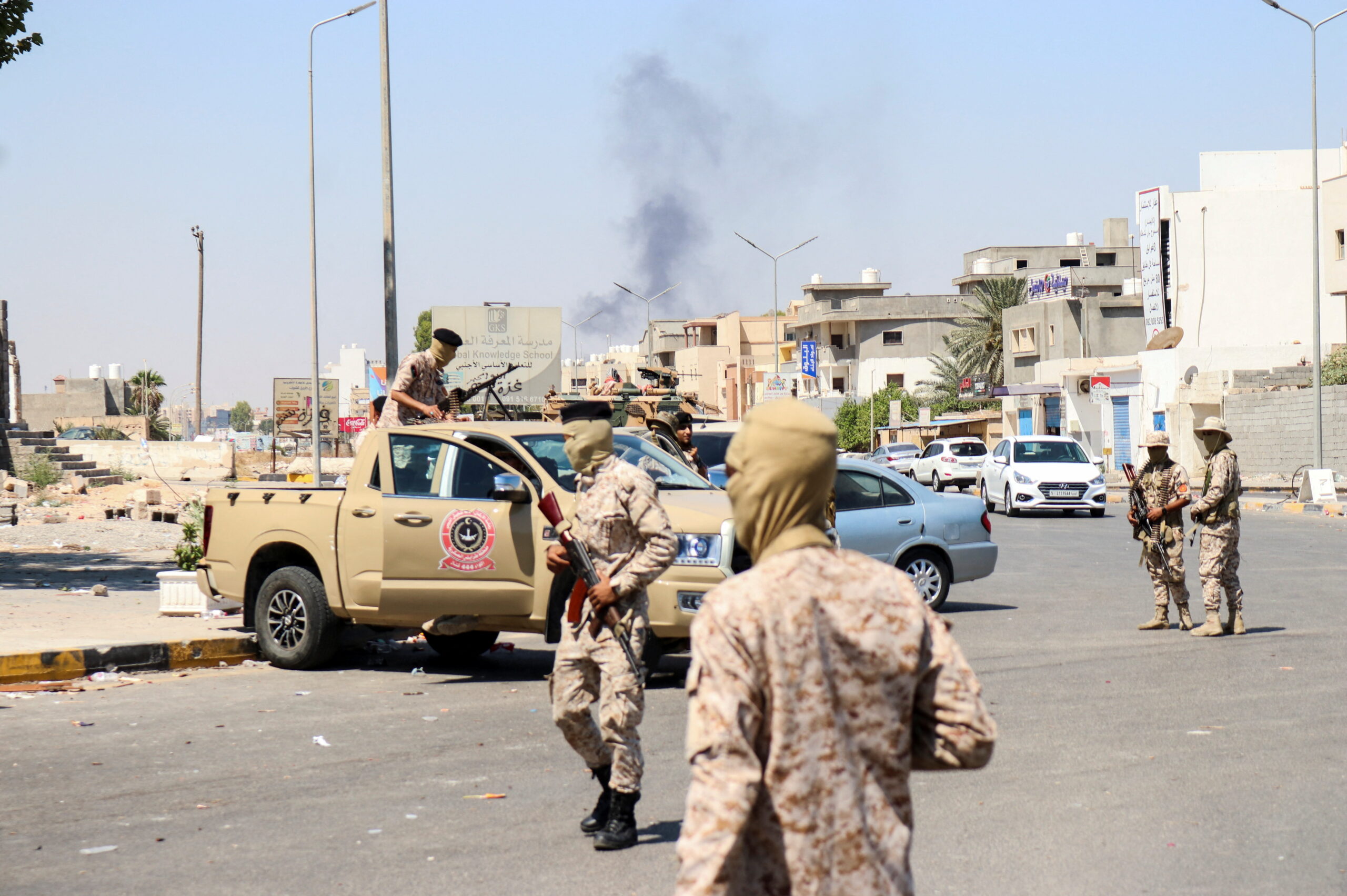
Libya enters one of the most critical phases of its decade-long crisis in 2026, with four competing political visions threatening to reshape the nation's future. After years of fragile stagnation, the North African oil giant now faces mounting pressure from domestic power struggles, economic decay, and renewed international intervention.
The Libyan political landscape has fractured into four distinct and irreconcilable paths forward. In the east, Khalifa Haftar's Libyan National Army is pushing to extend its control nationwide, consolidating a dynastic power structure among his children. In the west, Prime Minister Abdulhamid Dabaiba is maneuvering to secure his political survival, even at the expense of the Government of National Unity he leads. Beyond Libya's borders, the United Nations continues to push an inclusive political process that few Libyan leaders genuinely support, while the United States pursues a transactional approach focused on strategic and economic gains.
Libya's deepening economic crisis is eroding the foundations of its already fragile governance. Corruption continues to degrade state institutions and fuel competition between armed militias, while ordinary Libyans face deteriorating basic services and collapsing living standards. State-sanctioned fuel smuggling alone cost Libya an estimated $20 billion over three years, according to recent reports. The divided Central Bank remains a flashpoint, with Dabaiba publicly accusing eastern actors of sabotaging the institution during a heated cabinet meeting.
Foreign involvement in Libya's affairs continues to complicate any path to stability. The UN's political framework lacks genuine buy-in from Libyan elites, while Washington's more pragmatic approach seeks to secure material gains from whatever arrangement emerges. Meanwhile, Libya's strategic location in the Mediterranean keeps it central to European migration policy debates, with hundreds of migrants continuing to perish in attempts to cross from Libyan shores. The recent arrest of a Libyan general accused of crimes against humanity in Tripoli signals that accountability efforts, though slow, have not entirely stalled.
Without concrete steps toward unifying Libya's divided institutions — particularly the Central Bank and the executive authority — the country risks sliding deeper into chaos. Presidential Council Vice Chairman Mousa al-Koni and High Council of State contender Khalid al-Mishri have publicly denounced corruption and foreign influence, but words continue to substitute for meaningful action. The stakes could not be higher: 2026 may determine whether Libya finally charts a path toward stability or descends further into institutional collapse and renewed armed conflict.