
مكنسة شفط الغبار الاحترافية
وفر 25%! اشترِ مكنسة شفط الغبار الاحترافية بسعر 369 د.ل فقط في ليبيا. متوفر حالي
🛒 تسوق الآن Libya Press
Libya's geographic location at the crossroads of North Africa and the Mediterranean positions the country as a potential major gateway to African markets, according to Mahdi Al-Bahloul, CEO of Benghazi-based MENA Exhibitions and Conferences. The remarks came during the company's participation in TUTTOFOOD Milano, one of the world's largest food and beverage industry exhibitions held from May 11 to 14 in Milan, Italy, where over 5,000 exhibitors from more than 100 countries showcased their products and services.
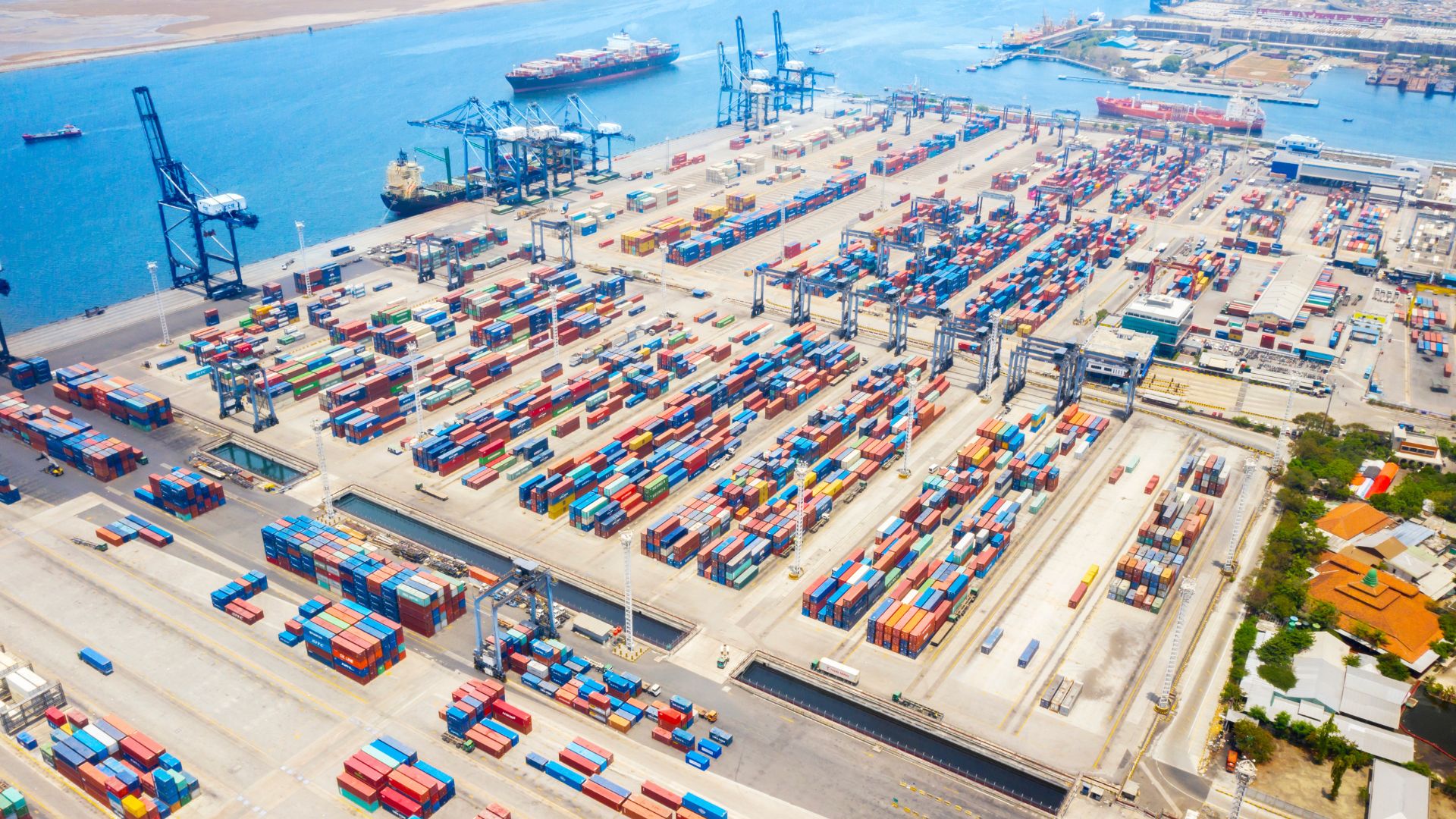
Al-Bahloul represented MENA at the international exhibition and took part in a panel discussion focused on the role of global trade exhibitions in strengthening economic cooperation between nations. He highlighted the economic opportunities Libya offers in trade and logistics, pointing to ongoing reconstruction and infrastructure development projects as key drivers of the country's potential as a regional commercial hub.
"There is significant progress in port and free zone projects, in addition to the implementation of vital road projects connecting northern and southern Libya, along with the development of free zones and dry ports in Kufra and Sabha," Al-Bahloul told the Libya Herald in an exclusive statement. He added that these developments "enhance trade opportunities with African countries and open the door to quality investments in the food and logistics sectors."
The TUTTOFOOD Milano event attracted wide participation from companies, institutions, and experts from around the world, serving as a key platform for international food industry networking. MENA's presence at the exhibition was coordinated in partnership with ZM Group, as part of the company's broader strategy to expand its international network and attract investment opportunities from regional and global markets. The company aims to promote MENA Food as a specialized economic platform supporting the food industry and trade exchange in Libya.
Libya's potential as a trade corridor between Europe and sub-Saharan Africa has long been discussed by economists and regional analysts. The country boasts a Mediterranean coastline of nearly 1,800 kilometers and shares borders with six African nations, including Chad, Niger, Sudan, Tunisia, Algeria, and Egypt. This geographic advantage, combined with ongoing infrastructure projects in southern Libya, could significantly boost cross-continental trade flows and reduce dependency on traditional maritime routes.
Industry experts note that the development of free zones in Kufra and Sabha — key southern cities near the borders with Chad and Niger — represents a strategic move to facilitate trade with landlocked African nations. These zones are expected to reduce logistics costs and streamline customs procedures, making Libya an attractive transit point for goods moving between Africa and European markets. The African Continental Free Trade Area agreement, which came into effect in 2019, further amplifies the importance of efficient trade corridors across the continent.
Despite the optimistic outlook, Libya continues to face significant challenges, including political instability stemming from years of division between rival governments, security concerns in certain regions, and the need for further regulatory reforms to attract sustained foreign investment. Analysts say that sustained economic progress will depend on the government's ability to maintain stability, implement consistent economic policies, and create a transparent business environment.
Nevertheless, the participation of Libyan private sector companies in major international exhibitions signals growing confidence in the country's economic potential. As infrastructure projects advance, trade partnerships expand, and regional cooperation deepens, Libya could gradually reclaim its historical role as a vital commercial bridge between Africa and the Mediterranean world, unlocking new opportunities for economic growth and regional integration.