
طقم أدوات كهربائية بقوة 48 فولت
وفر 23%! اشترِ طقم أدوات كهربائية بقوة 48 فولت بسعر 549 د.ل فقط في ليبيا. متوفر
🛒 تسوق الآن Libya Press
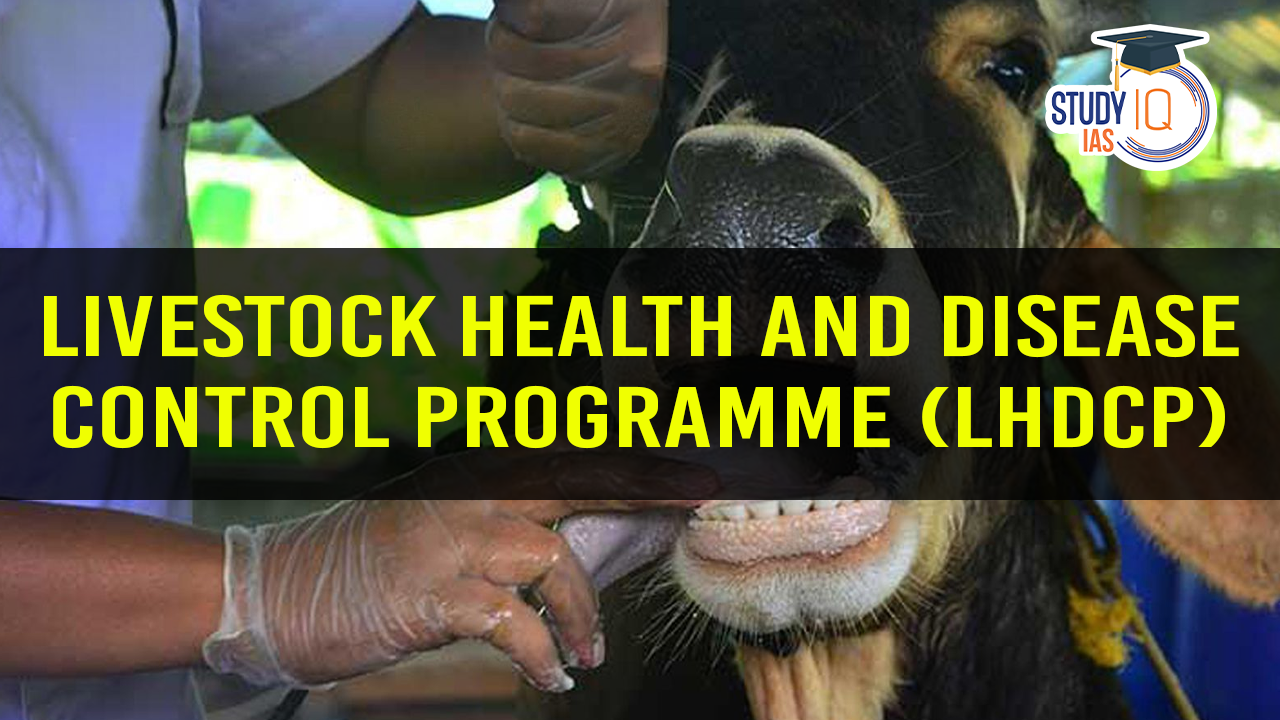
The municipality of Tragn in southern Libya has stepped up surveillance and border controls to prevent the entry of livestock suspected of carrying nodular skin disease, a highly contagious viral infection that poses a serious threat to animal health and the local agricultural economy. The urgent move comes after suspected cases were detected in the Umm al-Aranib area and surrounding regions, prompting immediate coordination between agricultural authorities, the agricultural police, and veterinary services to contain the potential outbreak before it spreads further into the municipality's livestock population.
Ahmed Hussein, coordinator of the agriculture and livestock sector in Tragn municipality, confirmed that his department initiated emergency coordination with the agricultural police and security checkpoints to block any livestock shipments arriving from areas where suspected cases of nodular skin disease — known scientifically as Lumpy Skin Disease (LSD) — have been reported. The affected zones include the Umm al-Aranib area and its neighboring localities. Hussein stated in remarks to the Libyan News Agency (LANA) that urgent directives were issued to all livestock breeders and citizens, instructing them strictly against bringing animals from suspected areas until the health situation is fully assessed and the risk of infection spreading within the municipality is completely contained. He emphasized that the measures are precautionary and aim to protect the livelihoods of hundreds of families who depend on livestock farming in the region.
Local veterinary and agricultural officials have expressed deep concern over the potential economic impact of an outbreak, given that livestock farming is a primary source of income for many families in the Tragn region, where cattle, sheep, and goats form the backbone of the rural economy. The municipality, in cooperation with the Veterinary Health Center and the National Agricultural Guidance Center, has launched intensive awareness and guidance campaigns targeting breeders across the municipality. These campaigns include detailed explanations of the disease's symptoms — which include raised skin nodules, high fever, swollen lymph nodes, and sharply reduced milk production — as well as prevention methods, quarantine protocols, and step-by-step guidance for handling suspected cases. Field monitoring teams are conducting regular inspections and are prepared to adjust measures rapidly according to developments on the ground.
Hussain confirmed that the municipality had already implemented a preventive plan in the preceding weeks, which included the distribution of vaccines against both nodular skin disease and sheep pox to livestock breeders approximately one month ago, aimed at boosting animal immunity and reducing the risk of epidemic spread among the region's herds. However, veterinary experts and local authorities warn that controlling the movement of livestock across informal trade routes remains a significant and persistent challenge, particularly in remote southern areas where state oversight is limited and cross-border animal trade often occurs outside official channels. The disease, which is transmitted by biting insects and direct contact, can spread rapidly in warm climates such as those found in southern Libya. Authorities are calling for sustained cooperation from breeders, traders, and community leaders, emphasizing that early reporting of symptoms and strict adherence to quarantine guidelines are critical to preventing a wider outbreak that could devastate the region's livestock population and cause severe economic hardship. The situation remains under close and continuous observation, with the municipality pledging to update the public as new information and test results become available.