
كوب قهوة بغطاء
وفر 19%! اشترِ كوب قهوة بغطاء بسعر 219 د.ل فقط في ليبيا. متوفر حالياً، الدفع عند
🛒 تسوق الآن Libya Press
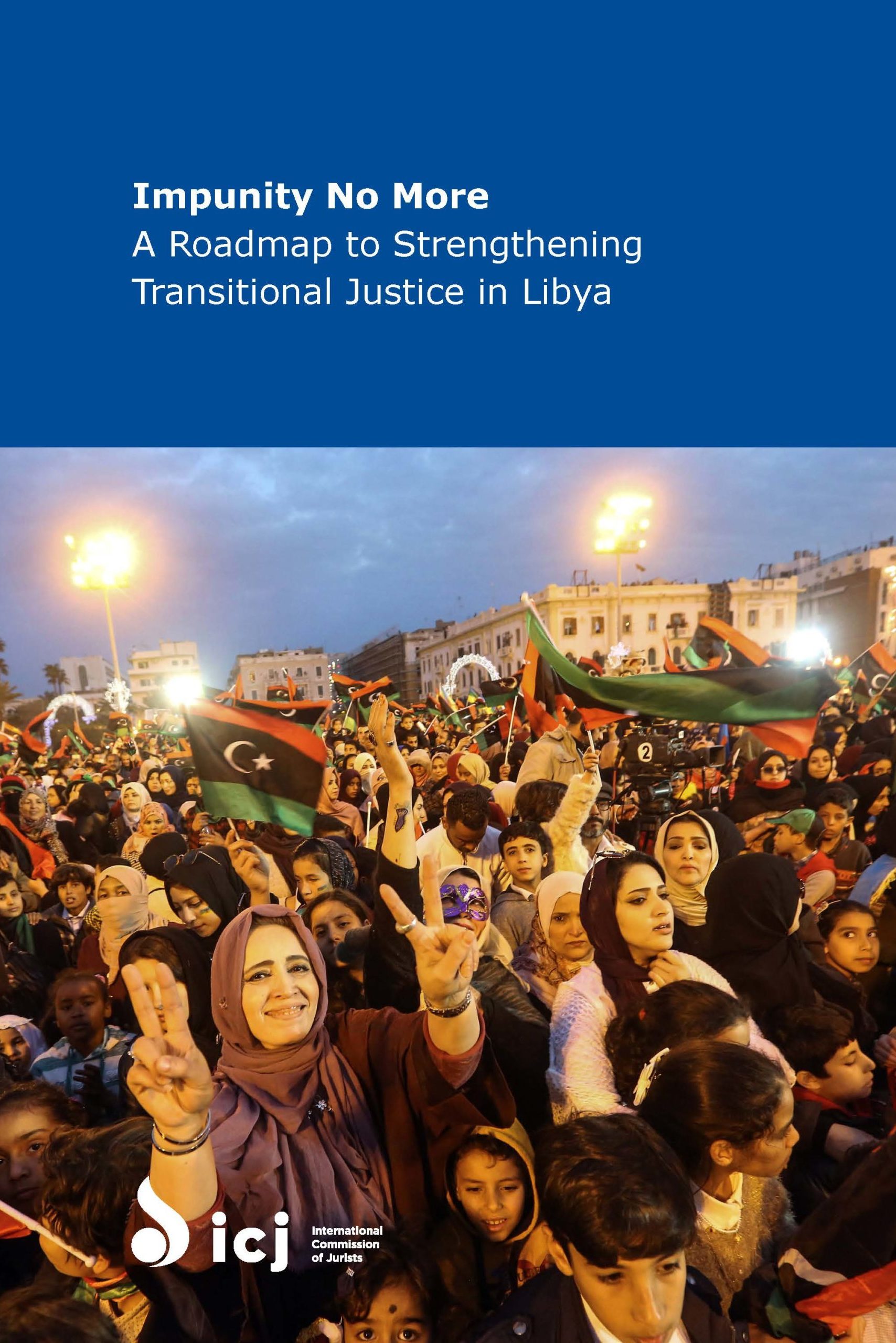
More than a decade after the fall of Muammar Gaddafi, Libya remains trapped in a cycle of impunity, political division, and unresolved human rights abuses. The country's transitional justice process — meant to address decades of dictatorship, war crimes, and mass atrocities — has stalled amid competing governments, armed groups, and a collapsed judicial system. With over 19,000 detainees held in official prisons and mass graves still being uncovered, the path to accountability remains fraught with obstacles.
Libya is governed by two rival administrations: the Tripoli-based Government of National Unity (GNU) led by Abdelhamid Dabeiba, and the eastern-based Government of National Stability (GNS) backed by the Tobruk parliament. The country has not held national elections since 2014, and the 2011 interim constitutional declaration remains the only governing framework. A draft constitution prepared by the Constitution Drafting Assembly in July 2017 has never been put to a referendum.
Armed groups continue to operate with near-total impunity. In August 2023, clashes in Tripoli between two major militias linked to the GNU's Interior and Defense ministries killed at least 55 people and injured over 100. In Benghazi, the Tarek Ben Ziyad Brigade forcibly evicted more than 20,000 residents and demolished entire neighborhoods, including heritage sites, without compensation. Mass graves discovered in Tarhouna — where the al-Kaniyat militia terrorized civilians between 2014 and 2020 — have yet to produce a single trial.
Human Rights Watch has documented pervasive violations by armed groups on both sides, noting that judges, prosecutors, and lawyers face harassment and attack. Military courts continue to try civilians, and Libya's criminal justice system remains deeply dysfunctional. UN experts have repeatedly called for independent investigations, particularly after Storm Daniel devastated Derna in September 2023, killing 4,352 people and displacing 43,400 — a disaster worsened by the collapse of two poorly maintained dams.
The International Center for Transitional Justice (ICTJ) has worked in Libya since 2011, supporting documentation of abuses, legal reform, and victim participation. However, the organization has acknowledged that without political will and institutional reform, transitional justice remains largely symbolic. The Berlin Conference of January 2020, attended by representatives from 12 countries and international organizations, called for accountability and an end to foreign interference, but its conclusions have had limited impact on the ground.
The greatest obstacle to transitional justice in Libya is the absence of a unified state. With two governments, multiple armed factions, and foreign powers including Turkey, Russia's Wagner Group, and various regional actors deeply embedded in the conflict, establishing credible accountability mechanisms is extraordinarily difficult. Libya has not ratified the Mine Ban Treaty or the Convention on Cluster Munitions, and landmines from conflicts dating back to World War II continue to kill civilians.
Despite these challenges, Libyan civil society organizations continue to document abuses and advocate for victims. The General Authority for the Search and Identification of Missing Persons continues its work in Tarhouna. International organizations stress that any lasting peace must include truth-seeking, reparations, and institutional reform. Without these foundations, Libya risks remaining a nation where the powerful operate above the law, and victims of decades of violence are left without justice or recognition.
The international community faces a critical test: whether it will invest in genuine accountability mechanisms or continue to treat Libya's divisions as a purely political problem. For millions of Libyans who have endured dictatorship, war, and displacement, transitional justice is not an abstract concept — it is the only path toward a stable and dignified future.