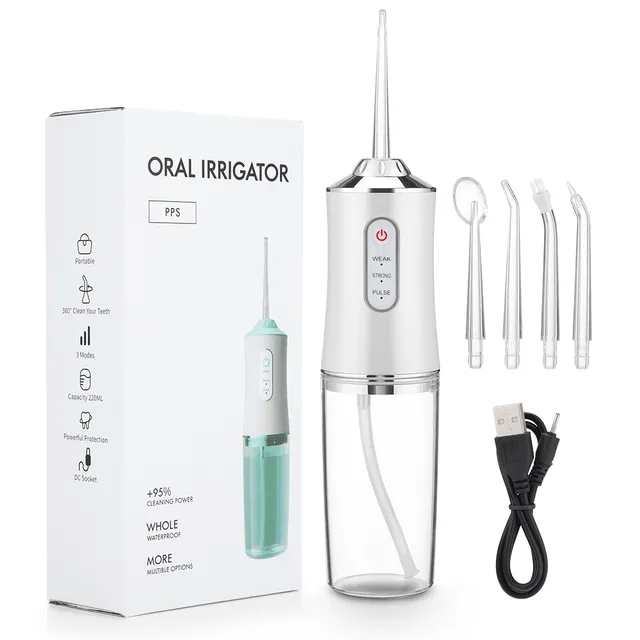
جهاز تنظيف الأسنان بالماء
وفر 23%! اشترِ جهاز تنظيف الأسنان بالماء بسعر 248 د.ل فقط في ليبيا. متوفر حالياً
🛒 تسوق الآن Libya Press
In a landmark move toward universal health coverage, Libya and the World Health Organization (WHO) have signed a Strategic Collaboration Framework for 2026–2027—marking the first comprehensive health partnership agreement of its kind in over a decade.
The agreement was signed on May 5, 2026, in Tripoli, establishing a clear roadmap to rebuild and strengthen Libya’s health system amid ongoing challenges.
With WHO’s support, the new framework targets six million Libyans by prioritizing equitable access, digital transformation, and emergency preparedness across all 22 municipalities.
The framework builds directly on the remarkable results of Libya’s 100-Day Health Sector Reform Initiative, launched in February 2026 under the leadership of Prime Minister Abdul Hamid Dabaiba and Health Minister Dr Mohammed Al-Ghouj.
The 100-Day initiative delivered measurable improvements across the country’s health infrastructure, with clinic services rising 60%, emergency department pressure dropping 30%, and surgical capacity increasing by 121%—evidence that targeted reforms can produce rapid, tangible outcomes.
WHO’s involvement signals renewed international confidence in Libya’s health governance and provides technical backing for sustained reform, with the framework aligning with national priorities and supporting the country’s ambitions to achieve universal health coverage.
“This joint Strategic Collaboration Framework represents a critical milestone in our partnership with WHO and our commitment to rebuilding a resilient, inclusive, and high-performing health system in Libya,” said H.E. Dr Mohammed Al-Ghouj, Libya’s Minister of Health.
Dr Hanan Balkhy, WHO Regional Director for the Eastern Mediterranean, emphasized: “This framework demonstrates WHO’s continued commitment to supporting Libya in strengthening its health system and advancing universal health coverage.”
WHO Representative Dr Ahmed Zouiten added: “This framework is not merely an action plan; it is a shared commitment toward every child, every mother, every patient, and every health care worker in Libya that the future will be healthier and more prosperous for all.”
For Libyans, this framework translates to real-world impact: shorter waits at clinics, faster emergency response, more surgeries, and better access to specialists—even in remote areas like Sabha, Benghazi, and Tobruk.
With WHO’s technical assistance, the framework addresses critical gaps that have persisted since 2011: fragmented health records, under-equipped facilities, and inconsistent staffing across regions.
By prioritizing digital health transformation and climate resilience, the agreement prepares Libya for future challenges, including disease outbreaks and extreme heat waves that disproportionately affect vulnerable populations in the south and coastal cities.
This strategic partnership isn’t just about funding or foreign support—it’s about restoring dignity, building capacity, and proving that Libya’s health workers can deliver world-class care.
With 6 million citizens counting on a functional health system, this framework represents hope, action, and measurable progress toward a stable, resilient future.
Libya’s health transformation has begun—and it’s powered by partnership, data, and unwavering commitment.