
ملعقة إلكترونية ميزان
وفر 23%! اشترِ ملعقة إلكترونية ميزان بسعر 268 د.ل فقط في ليبيا. متوفر حالياً، ال
🛒 تسوق الآن Libya Press
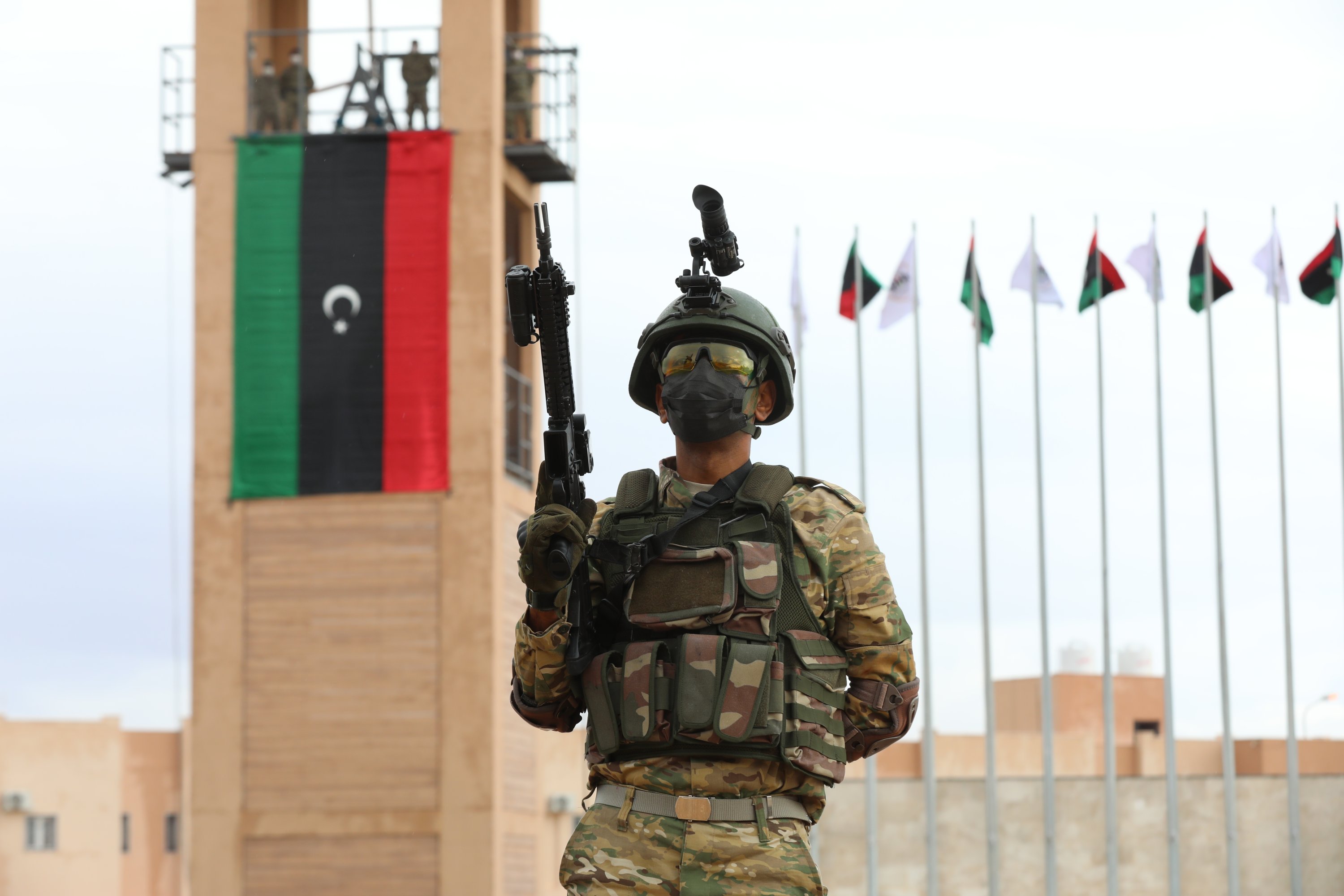
The Libyan-Italian Joint Committee has wrapped up two days of intensive technical meetings in Tripoli, culminating in a formal agreement on military cooperation and joint training programmes. The deal, signed on June 13, 2026, marks a significant step in bilateral defense ties between the two Mediterranean nations. The memorandum outlines a comprehensive package of joint training and rehabilitation activities designed to strengthen Libya's military institution and boost its operational readiness.
The negotiations covered a wide spectrum of defense collaboration. Here are the core outcomes:
This agreement builds on a long history of Libya-Italy defense cooperation. In December 2020, Italian Defense Minister Lorenzo Guerini and his Libyan counterpart Salahuddin Al-Namroush signed a defense deal in Rome covering military training and medical facilities. In September 2025, Libya's Government of National Unity sent Deputy Defense Minister Abdel Salam Zoubi to Rome for high-level talks with Italian Defense Minister Guido Crosetto, focusing on strengthening bilateral defense ties and operational coordination. The latest memorandum represents the most concrete outcome of these sustained diplomatic efforts.
For Libya, this agreement addresses one of the country's most pressing challenges: professionalizing its armed forces. Since 2011, Libya's military has remained fragmented, with various brigades and militias operating under different command structures. The GNU has made it a priority to consolidate these forces under a unified command, and Italian training support is a critical component of that strategy. The Flintlock 2026 exercise in April — where Libyan joint forces trained alongside Italian Special Forces in live-fire drills — demonstrated the tangible benefits of this partnership. With Italy's continued involvement, Libya moves closer to building a cohesive, professional military capable of securing its own territory.
The Libya-Italy military partnership also carries broader significance for Mediterranean security. Italy has a direct stake in Libya's stability, given the migration routes across the central Mediterranean and the importance of Libyan oil supplies to European energy markets. A stronger, more professional Libyan military means better border control, more effective counter-terrorism operations, and greater capacity to manage irregular migration — all priorities for Rome and the wider European Union. The agreement signals that both nations view their security interests as deeply interconnected.
The signed memorandum sets the stage for a new phase of practical cooperation. Implementation of the joint training programmes is expected to begin in the coming months, with Italian military advisors working directly with Libyan units. The Joint Committee will continue to meet regularly to assess progress and identify new areas of collaboration. For Libyans, this partnership offers a credible path toward a more stable and secure future — one built on international cooperation and institutional strength.
— LibyaPress / Security Desk