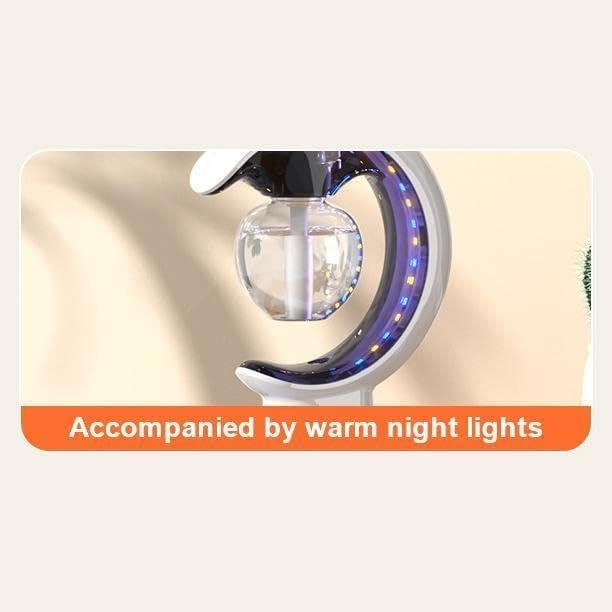
جهاز ترطيب مزود بمصباح طارد للبعوض
وفر 14%! اشترِ جهاز ترطيب مزود بمصباح طارد للبعوض بسعر 207.94 د.ل فقط في ليبيا.
🛒 تسوق الآن Libya Press
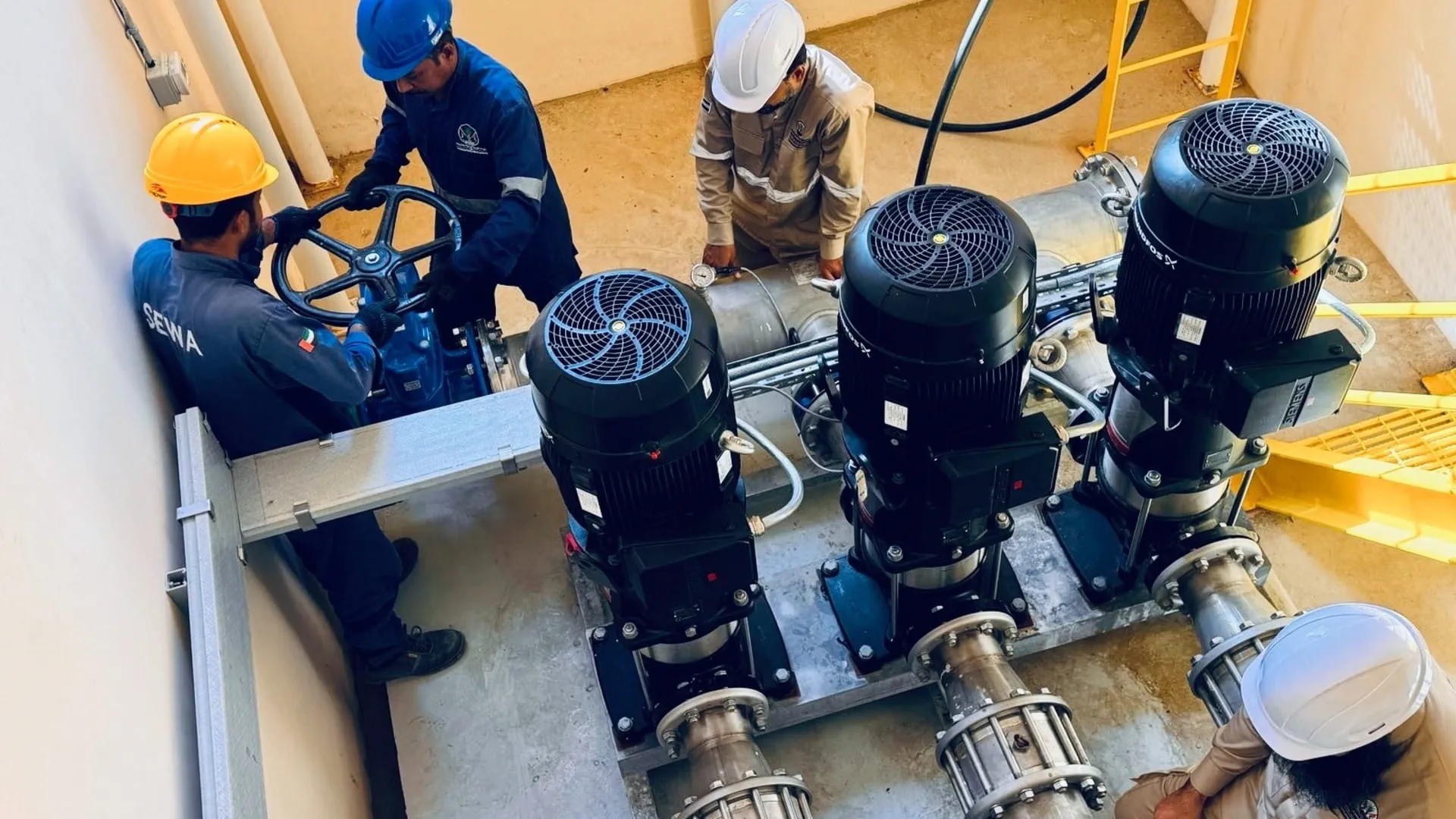
The Ministry of Water Resources of the Government of National Unity has completed maintenance and electromechanical rehabilitation work at three water treatment plants in Libya's western region. The operation covers the Al-Assa, Raqdalin, and Al-Jamil facilities and forms part of a broader push to revitalize the country's aging water infrastructure.
According to a statement published by the Ministry on July 22, 2026, the rehabilitation was executed under the supervision of the Projects Department in accordance with approved technical standards. The work focused on maintaining and upgrading the electromechanical components of each plant to ensure operational readiness and improve overall performance efficiency.
The Ministry confirmed that all three plants have been formally handed over to the General Water and Sanitation Company, the state entity responsible for water distribution and sanitation services across Libya. The handover prepares the facilities for reactivation, which is expected to strengthen the local water supply system and enhance service delivery to residents in the targeted areas.
The Al-Assa, Raqdalin, and Al-Jamil stations serve communities in the western coastal belt, a region that has faced persistent water supply challenges due to infrastructure damage sustained during years of conflict and underinvestment.
These rehabilitation works are part of the "Return to Life" projects, a government-led program aimed at developing vital facilities and enhancing infrastructure readiness across multiple sectors in Libya. The initiative focuses on restoring critical services—including water, electricity, and healthcare—to communities that have experienced service disruptions.
The water sector has been a particular priority. Libya relies on the Great Man-Made River and groundwater sources for over 97% of its water supply, yet much of the distribution network has deteriorated due to conflict-related damage and lack of routine maintenance.
Western Libya has faced growing concerns over water availability in recent months. In July 2026, officials warned that illegal connections along the Hasawna-Jefara water system were worsening supply deficits and threatening water deliveries to Tripoli and surrounding cities. The situation underscores the critical need for continued investment in water infrastructure rehabilitation and maintenance.
The completion of work at these three stations represents a tangible step forward. Once fully operational, they will help alleviate pressure on the water network in the western region and improve access to clean water for thousands of residents.
The maintenance project aligns with Libya's National Water Security Strategy 2026-2050, which was launched in April 2026 under the auspices of the UNDP and with support from Italy. The strategy outlines a comprehensive framework for improving water management, upgrading infrastructure, and promoting sustainable resource use over the next 25 years.
Prime Minister Abdulhamid Dbeibah, who approved the strategy, described it as a "milestone" in Libya's approach to water governance, emphasizing the need for institutional coordination and long-term planning to address scarcity and climate pressures.
The reactivation of the Al-Assa, Raqdalin, and Al-Jamil stations is expected to directly benefit residents in these municipalities and surrounding areas. Reliable access to treated water supports public health, reduces reliance on costly trucked water, and contributes to economic stability in communities that have long endured service interruptions.
Local officials and community representatives have welcomed the completion of the maintenance work, expressing hope that the stations will resume full operations in the near term. Continued cooperation between the Ministry of Water Resources, the General Water and Sanitation Company, and local authorities will be essential to sustaining these gains.
— Libya Press / News Desk