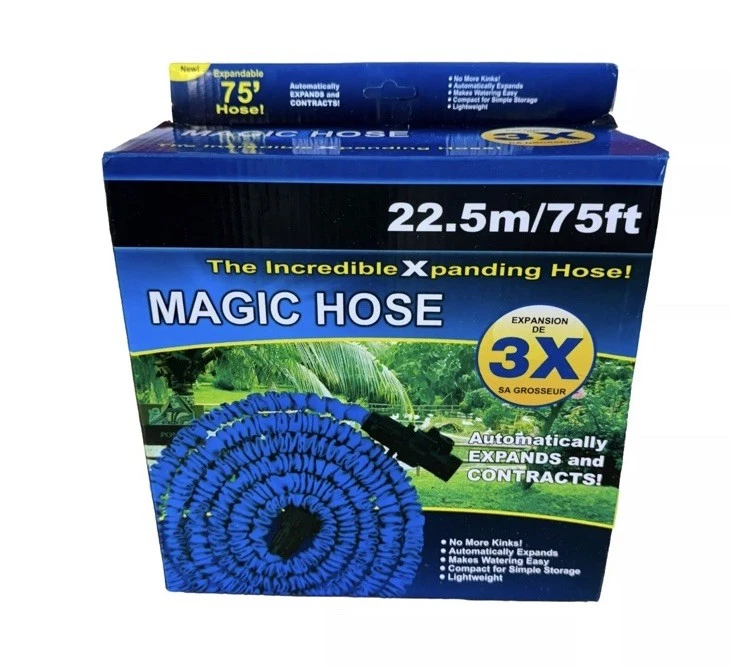
خرطوم مياه قابل للتمدد من ماجيك هوز
وفر 50%! اشترِ خرطوم مياه قابل للتمدد من ماجيك هوز بسعر 165.12 د.ل فقط في ليبيا.
🛒 تسوق الآن Libya Press
Libya's Interior Minister Emad Mustafa Al-Trabulsi admitted on Saturday that fuel smuggling operations involve government officials and security agencies, acknowledging that he "cannot clash" with these entities. The remarks came during a cabinet meeting in Zliten, where Al-Trabulsi addressed the worsening fuel crisis affecting the nation.
"The diesel smuggling is clear and known, but I cannot clash with security agencies over this file," Al-Trabulsi stated. His admission marks one of the most candid acknowledgments from a senior Libyan official regarding fuel trafficking in the country.
Al-Trabulsi revealed that state officials who possess military power are actively participating in fuel smuggling. He further indicated that some municipalities are also implicated. The Interior Minister pointed out that diesel shipments are being diverted before reaching Libyan territory, with quantities trafficked at sea.
"Some diesel shipments do not even reach Libya," Al-Trabulsi said, highlighting sophisticated smuggling networks. Despite government oversight bodies and regulatory agencies, these institutions have been unable to curb trafficking.
The Interior Minister clarified that gasoline supplies across Libya remain stable. However, the crisis is concentrated in diesel fuel, where smuggling has reached alarming proportions. Approximately 300 fuel stations in the western region receive regular supplies, but distribution in the south, Misrata, and Zawiya remains outside government control.
"We do not control fuel distribution in the south, Misrata, and Zawiya," Al-Trabulsi admitted, pointing to the influence of armed groups over fuel logistics in these areas. The government's inability to assert control has created severe shortages, forcing Libyans into long queues at petrol stations.
Al-Trabulsi emphasized that resolving the fuel crisis requires more than ensuring tanker deliveries reach Libyan ports. He called for constructing new oil storage tanks to increase capacity and stabilize supply. The current infrastructure is insufficient to meet demand, particularly as smuggling drains available reserves.
The Interior Minister noted that the previous fuel committee included institutions that "cannot work effectively." A new committee has been formed under his chairmanship to overhaul fuel file management and tighten coordination between oversight bodies.
In parallel, Al-Trabulsi confirmed the Ministry of Interior is installing inspection devices at all Libyan ports, airports, and border crossings. The LANA news agency reported these measures aim to strengthen control over fuel exports and detect smuggling attempts.
"The fuel file is one of the most complex files due to the smuggling operations it has witnessed," Al-Trabulsi told LANA. The new equipment is part of broader efforts to enhance security agencies' capacity to monitor fuel movements at entry and exit points.
Libya spent over $1 billion on fuel subsidies in May 2026 alone, making fuel trafficking a multi-million dollar illicit industry. Diesel smuggling has drained state resources while enriching armed groups and corrupt officials. The crisis directly affects ordinary Libyans, who face frequent fuel shortages despite the country's vast oil reserves.
Al-Trabulsi's acknowledgment that he cannot confront the security agencies involved in smuggling underscores a broader governance challenge: the limited reach of state authority against well-armed non-state actors and entrenched corruption networks. The Prime Minister's decision to place Al-Trabulsi at the head of the new fuel committee signals an attempt to centralize authority, yet the Interior Minister's own admission raises questions about whether the government possesses the political will to confront powerful interests profiting from fuel trafficking.
— Libya Press / Politics Desk