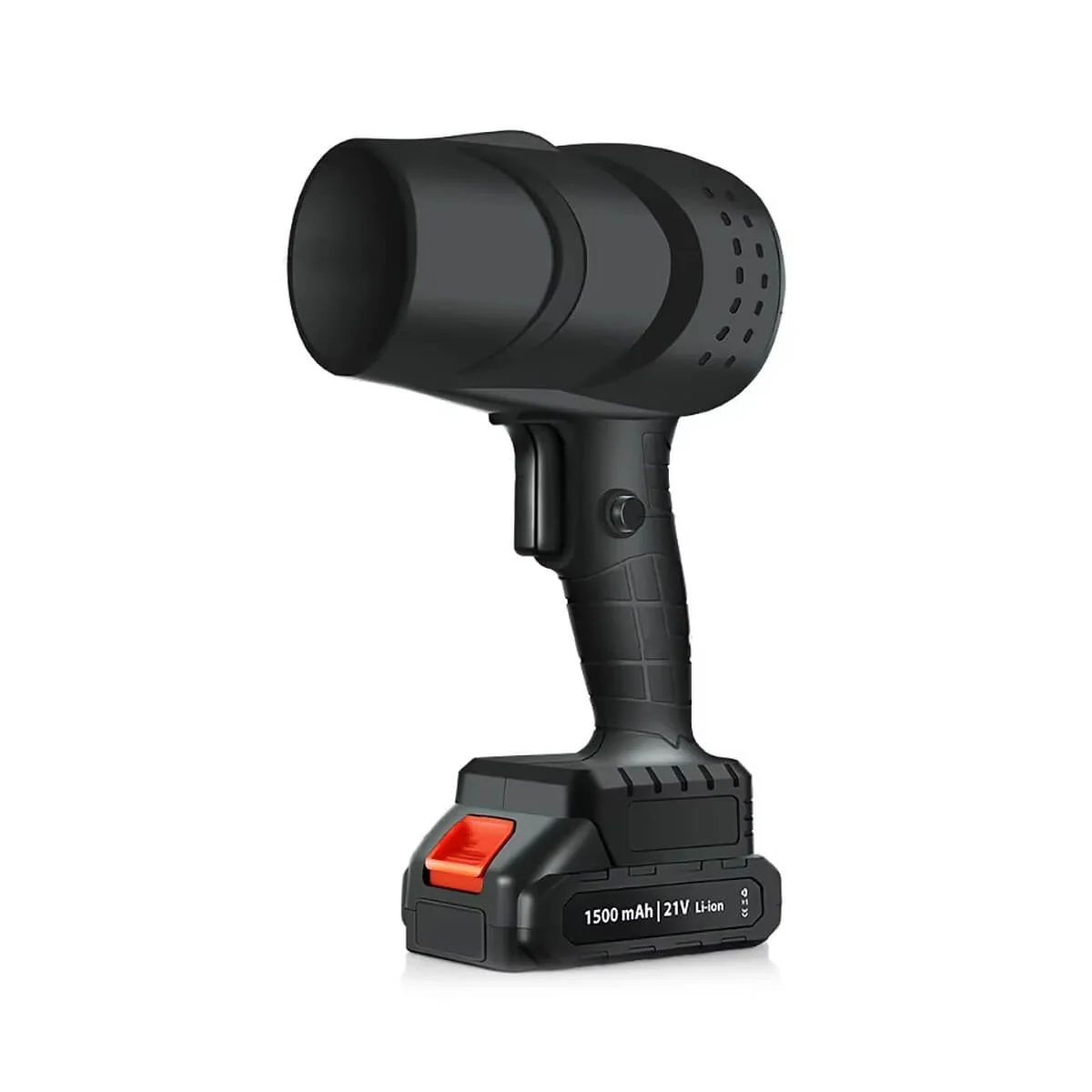
مروحة كهربائية توربينية لاسلكية
وفر 20%! اشترِ مروحة كهربائية توربينية لاسلكية بسعر 297.6 د.ل فقط في ليبيا. متوف
🛒 تسوق الآن Libya Press
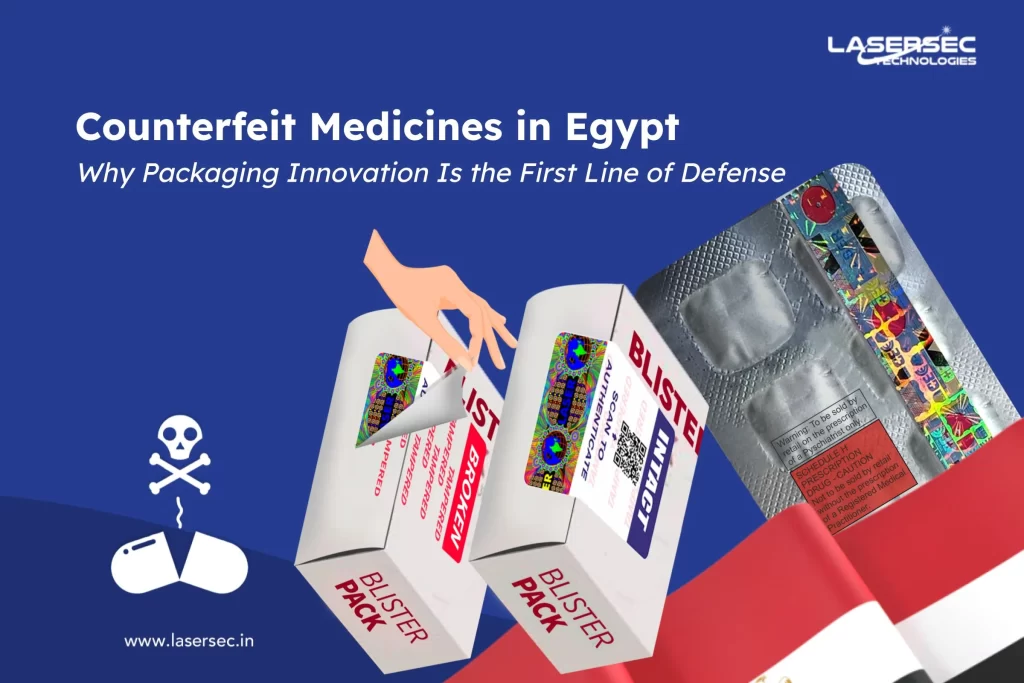
The Libyan Ministry of Health's Department of Pharmacy, Medical Supplies, Equipment, and Supplies has issued an urgent warning to all public and private healthcare entities against the distribution or use of counterfeit packaging of Keytruda Injection 100 mg/4 ml, a critical immunotherapy drug used to treat various types of cancer. The alert, published Saturday by The Libya Observer, comes amid growing concerns over counterfeit medicines entering the Libyan pharmaceutical supply chain.
The Department urged all relevant parties to refrain from distributing or using any packages bearing the specifications of the counterfeit Keytruda batches, emphasizing the necessity of verifying the product's source before dispensing or using it. Healthcare professionals have been instructed to take necessary measures if counterfeit packages are suspected.
Keytruda (pembrolizumab) is a widely used immunotherapy that helps the immune system fight cancer cells. It is prescribed for multiple cancer types including melanoma, lung cancer, head and neck cancer, and lymphoma. Counterfeit versions pose a serious risk to patients, as they may contain incorrect dosages, harmful substances, or no active ingredients at all — potentially leading to treatment failure, disease progression, or severe adverse reactions.
The Ministry's warning specifically targets the 100 mg/4 ml injection formulation, which is commonly administered in hospitals and clinics across Libya for cancer patients undergoing immunotherapy treatment.
The Department has activated its pharmacovigilance reporting system, urging healthcare professionals to immediately report any suspected cases of counterfeit or substandard medications through the designated pharmacovigilance application or by contacting the Pharmacovigilance Department directly. Adverse drug reactions should also be reported through the same channels.
This reporting mechanism is critical for tracking the spread of counterfeit pharmaceuticals and protecting patient safety across the country's healthcare network.
This is not the first such warning issued by Libyan health authorities. In April 2026, the Ministry of Health issued a similar alert about counterfeit medicines in circulation, highlighting an ongoing problem with pharmaceutical fraud in the country. Libya's fragmented pharmaceutical supply chain — operating across multiple governing authorities — creates vulnerabilities that counterfeiters exploit.
The country relies heavily on imported medications, and inconsistent regulatory oversight across different regions makes it easier for counterfeit products to enter the market. The General Committee of the World Health Assembly, which Libya chaired for the first time in May 2026, has emphasized the importance of stronger pharmaceutical regulation across the region.
The Ministry has outlined specific steps for healthcare professionals:
Patients receiving Keytruda treatment are advised to consult their healthcare provider if they have concerns about their medication. Pharmacists and medical staff should inspect packaging carefully for signs of tampering, unusual labeling, or discrepancies in batch numbers and expiry dates.
Health experts have called for stronger regulatory measures to combat counterfeit medicines in Libya, including enhanced inspection protocols at ports of entry, centralized tracking of pharmaceutical imports, and public awareness campaigns to help patients identify authentic medications. International organizations have also been urged to support Libya in strengthening its pharmaceutical regulatory framework.
The Ministry's swift action in issuing this warning demonstrates a commitment to patient safety, but sustained efforts are needed to address the root causes of pharmaceutical counterfeiting in the country.
— Libya Press / Health Desk