
سيروم لإزالة رائحة الفم الكريهة
وفر 35%! اشترِ سيروم لإزالة رائحة الفم الكريهة بسعر 158.79 د.ل فقط في ليبيا. متو
🛒 تسوق الآن Libya Press
Libyan authorities have launched a formal investigation following the widespread circulation of a video documenting the public execution of a woman sentenced to 100 lashes in the southern city of Sabha, authorities confirmed on Friday.
The incident, which occurred after the woman was convicted of zina (adultery), has triggered a massive wave of controversy and condemnation across social media platforms, with human rights groups calling for immediate action.
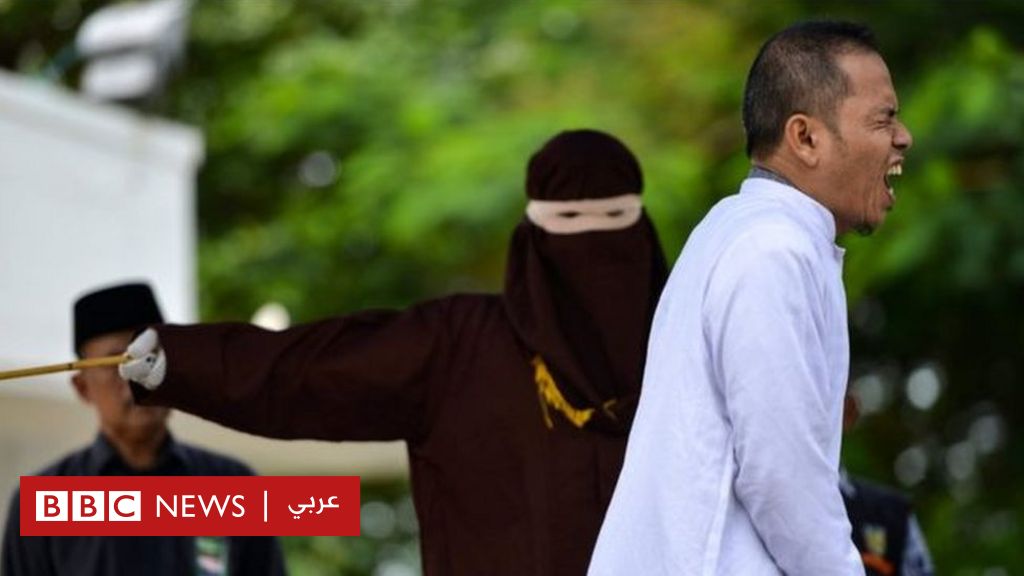
The woman, whose identity has not been officially released, was handed down the punishment by a criminal court in Sabha after being found guilty of zina charges. The public whipping, which resulted in fatal injuries, was captured on video and rapidly spread across regional social media platforms, becoming one of the most viewed Libyan content of 2024.
According to Al Arabiya, the execution took place in a public area in Sabha, located approximately 600 kilometers south of Tripoli. The city, known for its security challenges and tribal tensions, has previously witnessed similar incidents that have drawn international scrutiny.
Local sources reported that the woman received 100 lashes as prescribed by the court, but the severity of the punishment proved fatal. The judicial authority that issued the sentence was identified as one of the criminal courts of the Appeals Court in Sabha, according to EAN Libya news agency.
The video's circulation has ignited intense debate across Libya and the broader Arab world. Within hours of its appearance online, hashtags calling for accountability began trending on Twitter and Facebook with millions of combined views.
Annahar reported that the authorities explicitly stated they are investigating "all parties involved" in the execution, including judicial officials and security personnel who carried out the sentence. The announcement came after sustained pressure from civil society organizations and legal experts who argued the punishment violated international human rights standards.
The Judicial Police announced they are examining whether proper procedures were followed and if the punishment was executed according to legal protocols. The investigation also extends to the handling of the evidence and the decision-making process that led to the public nature of the sentence.
The case highlights the complex legal landscape in Libya, where multiple judicial systems operate under different authorities. While the penal code in certain regions permits corporal punishment for specific crimes, international human rights organizations consistently condemn such practices as violations of fundamental rights.
Human Rights Watch has documented similar incidents in Libya over the past decade, calling each one a "systemic violation" of prohibitions against cruel, inhuman, and degrading treatment. The organization has urged Libyan authorities to abolish public punishments and ensure accountability for those responsible.
Legal experts note that the zina charge itself is controversial, as it often carries severe penalties and is applied in ways that disproportionately affect women. Critics argue that the legal framework creates conditions where such tragic outcomes become possible.
The investigation into the Sabha execution comes at a critical time for Libya, as the country continues to navigate political fragmentation and governance challenges. The public nature of the punishment has drawn particular scrutiny, with many questioning whether it represents the official stance of any governing authority.
Presidential Council member Mohamed al-Menfi called for "swift justice" in a statement on Friday, emphasizing that "no one is above the law." The call for accountability reflects growing domestic pressure for reforms in the justice sector.
As the investigation proceeds, the case serves as a stark reminder of the ongoing human rights challenges in Libya. The international community has consistently urged Libyan authorities to align their practices with international standards, particularly regarding the treatment of detainees and the application of criminal justice.
— Libya Press / News Desk