
ماكينة التغليف بالتفريغ
وفر 4%! اشترِ ماكينة التغليف بالتفريغ بسعر 306.63 د.ل فقط في ليبيا. متوفر حالياً
🛒 تسوق الآن Libya Press
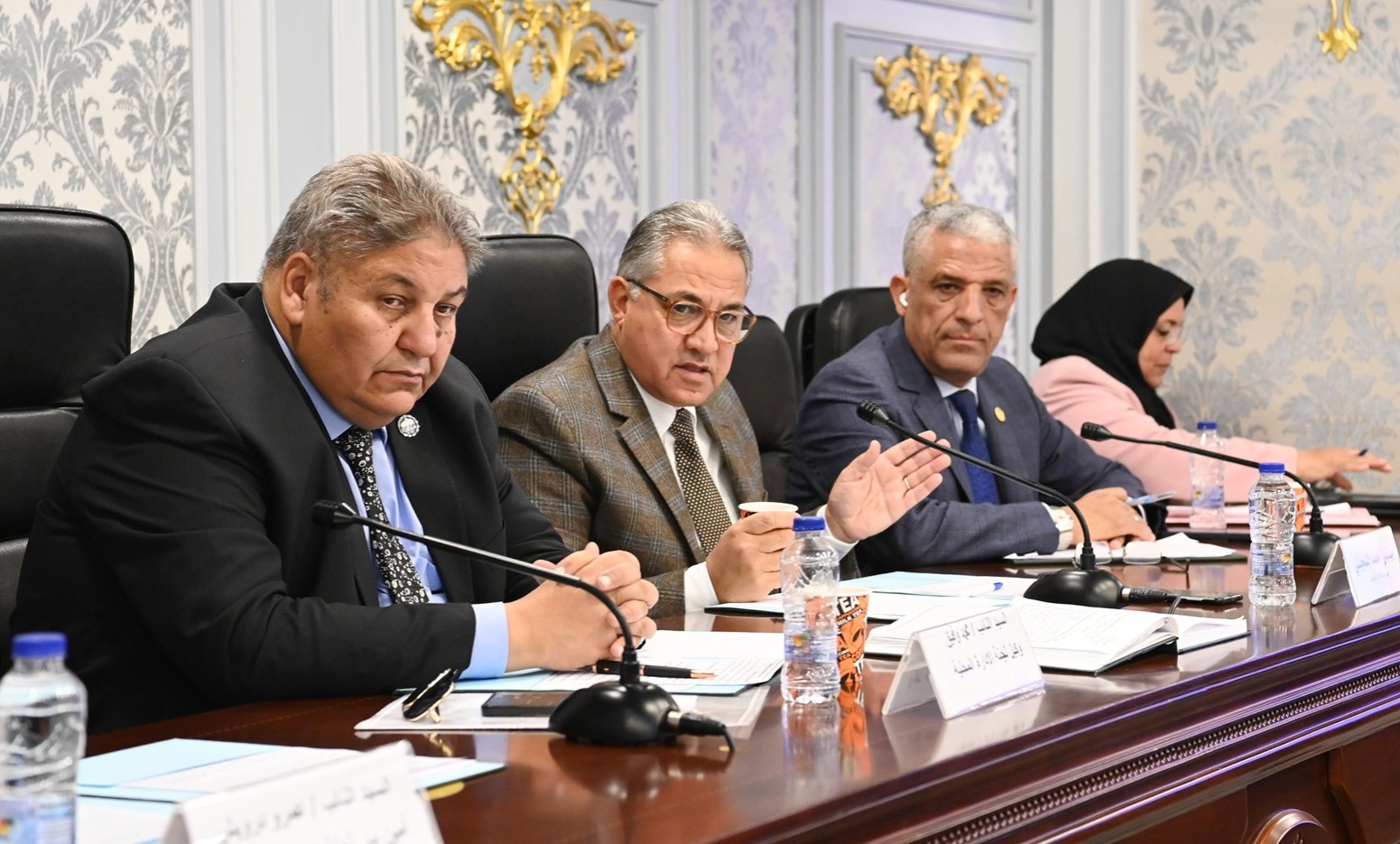
Libya's housing crisis took center stage on Monday as the Parliamentary Economics and Investment Committee met with the General Union of Cooperative Housing Associations to discuss concrete solutions for supporting and developing the cooperative housing sector across the country.
The meeting, chaired by committee head Badr Al-Nahib at the House of Representatives headquarters in Benghazi, brought together the union's chairman Salem Abu Al-Qasim Ammar and his delegation to address the growing housing deficit affecting Libyan families from Tripoli to Tobruk.
Cooperative housing associations have emerged as a vital mechanism in Libya's housing landscape, bridging the gap between state-driven mega-projects and individual citizens' ability to secure affordable homes. These associations pool resources from members, enabling collective investment in housing developments that would otherwise remain out of reach for most Libyan families.
During the meeting, both sides emphasized the strategic role these associations play in supporting state efforts to execute housing projects and provide shelter for citizens affiliated with cooperative societies. The discussions highlighted how strengthening this sector could significantly alleviate pressure on government housing programs while fostering community-driven development.
A key focus of the talks was unlocking funding sources for both public and cooperative housing sectors. The participants stressed the urgent need to activate the role of the Central Bank of Libya and commercial banks in supporting and financing housing initiatives.
Currently, access to affordable credit remains one of the biggest barriers for Libyan families seeking homeownership. The committee and union leaders called for new financing mechanisms that would make housing loans more accessible, including potential state-backed guarantees and lower interest rates tailored to the cooperative housing model.
The meeting underscored that without adequate financial infrastructure, even the most ambitious housing plans would struggle to materialize on the ground.
The discussion also covered the regulatory environment governing cooperative housing associations. Both parties acknowledged that a clearer legal and institutional framework is needed to ensure transparency, protect members' investments, and prevent the mismanagement that has plagued some associations in the past.
Al-Nahib and Ammar agreed on the importance of enhancing coordination between the House of Representatives and the General Union of Cooperative Housing Associations to develop practical solutions that advance the sector. This includes potential legislative reforms aimed at streamlining licensing procedures, strengthening oversight mechanisms, and ensuring that housing projects meet quality standards across all regions.
The choice of Benghazi as the venue for this meeting is significant. Libya's second-largest city has witnessed major reconstruction efforts following years of conflict, and housing remains a top priority for its growing population. The city previously hosted the first National Forum for Cooperative Housing Associations, which brought together stakeholders from across the country to address the housing crisis and launch youth-led housing initiatives.
The meeting signals a renewed political will to tackle Libya's housing deficit through collaborative approaches that leverage both state resources and community organizing. With an estimated housing shortage of hundreds of thousands of units nationwide, the stakes could not be higher for Libyan families.
The committee and the union agreed to continue their dialogue with concrete follow-up steps, including engaging the Central Bank of Libya and other financial institutions to explore viable funding models. Al-Nahib confirmed that the committee would prioritize housing-related legislative initiatives in its upcoming agenda.
For the millions of Libyans still waiting for adequate housing, Monday's meeting represents a small but meaningful step toward a larger goal: ensuring that every Libyan family has access to safe, affordable housing — a fundamental pillar of stability and dignity in post-conflict Libya.
— Libya Press / Politics Desk