
قصة عود 100 مل
وفر 26%! اشترِ قصة عود 100 مل بسعر 159.36 د.ل فقط في ليبيا. متوفر حالياً، الدفع
🛒 تسوق الآن Libya Press
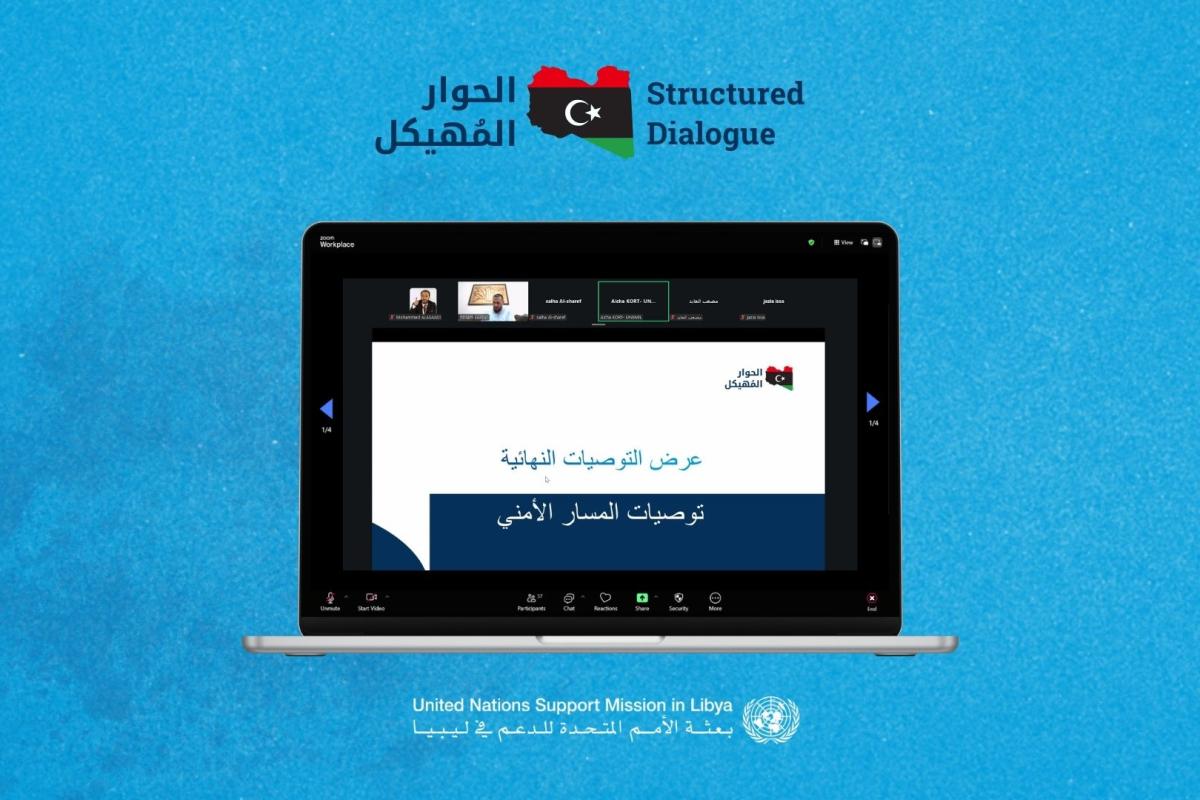
Members of the Structured Dialogue's Security Track have intensified their comprehensive discussions on creating a sequenced, professional approach to security sector reform (SSR) and governance in Libya. The overarching objective is to develop a set of concrete, implementable recommendations that effectively transition the country from a fragmented system of militia control to a unified, professional national security architecture capable of maintaining long-term peace.
According to detailed reports from the United Nations Support Mission in Libya (UNSMIL), these critical sessions involve a broad spectrum of participants, including high-level institutional representatives, civil society leaders, and renowned external expert guests. The ongoing talks are focused on the absolute necessity of unifying both military and law enforcement institutions under a single, transparent, and accountable governance framework that serves the entire nation.
A core component of the recent deliberations centers on the complexities of defense governance. Participants are meticulously analyzing how to restructure the various armed forces in the Western and Eastern regions to lay a stable foundation for total military unification. This strategy emphasizes a gradual, phased roadmap—integrating forces step-by-step—rather than an immediate, high-risk merger that could potentially trigger new clashes.
Law enforcement governance is being prioritized with equal urgency, with a heavy emphasis on the absolute rule of law and the unwavering respect for human rights. The goal is to ensure that all security forces operate under strict civilian oversight and clear legal mandates. This structural shift is designed to drastically reduce the arbitrary exercise of power by armed groups and restore public trust in the state's protective apparatus.
A recurring and vital theme in the dialogue is the strategic integration of the Fezzan region in the south. Security experts emphasize that Libya's overall stability is virtually impossible without fully incorporating the South into the national security structure. This is given the region's immense economic significance and its strategic relevance regarding border security, counter-smuggling operations, and the management of vital natural resources.
The Security Track has recommended specific, localized strategies to reduce community violence in the Southern regions, recognizing that local grievances and perceived neglect often fuel broader national instability. By integrating Fezzan's specific local security needs into the broader national framework, the Structured Dialogue aims to create a more inclusive security umbrella that prevents marginalization.
To ensure the viability and safety of future democratic processes, the Security Track is reviewing critical outcomes related to securing national elections. This involves developing robust conflict prevention strategies and the creation of a secure environment for voters, observers, and candidates across all Libyan governorates, ensuring that the ballot box is not compromised by armed interference.
Furthermore, members have discussed the urgent necessity of criminalizing militia recruitment. By legally treating the unauthorized recruitment of fighters as a serious criminal offense, the dialogue seeks to dismantle the financial incentives and social pressures that keep militias active and autonomous. This move is seen as a prerequisite for the state to regain its monopoly on the legitimate use of force.
The broad consensus among participants, chaired by the Special Representative of the Secretary General, Hanna Tetteh, is that genuine national unity is fundamentally dependent on the successful unification of security institutions. Without a single, unified chain of command and a shared professional code, any political agreements signed in foreign capitals remain fragile and prone to collapse.
The Structured Dialogue continues to refine its work toward a finalized set of recommendations. These will be presented to Libyan authorities as a blueprint for transitioning the country toward a stable, secure, and unified state where the law prevails over the gun, ensuring a peaceful future for all citizens.
— Libya Press / Security Desk