
سماعات الاذن
وفر 57%! اشترِ سماعات الاذن بسعر 163.2 د.ل فقط في ليبيا. متوفر حالياً، الدفع عند
🛒 تسوق الآن Libya Press
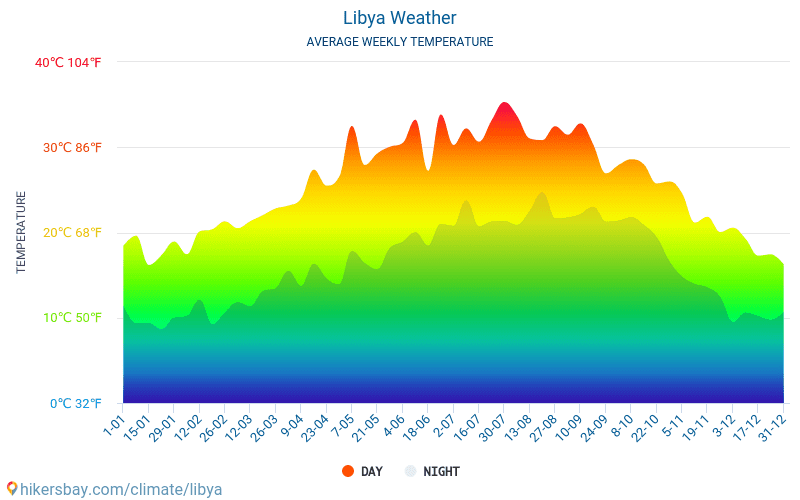
Libya's National Center for Meteorology has confirmed that stable summer weather conditions will prevail across most of the country over the coming days, with moderate temperatures expected in coastal and northern regions. The forecast, issued today, indicates that temperatures in Tripoli and surrounding areas will range between 30 and 35 degrees Celsius, providing relatively comfortable conditions for residents during the peak summer season.
The center noted that southeastern regions, including areas around Sabha, Ghat, and Ghadames, will experience stable weather with scattered cloud cover and temperatures ranging from 34 to 39 degrees Celsius. A gradual rise in temperatures is anticipated over the next 48 hours, particularly in inland and southern zones, according to the latest meteorological data.
The coastal strip stretching from Misrata to Benghazi will enjoy moderate conditions with sea breezes providing natural relief during afternoon hours. Relative humidity levels along the coast are expected to remain between 55 and 70 percent, making outdoor activities manageable during early morning and evening hours.
In contrast, the southeastern districts near the borders with Chad and Niger may experience wind activity capable of raising dust and sand, reducing visibility on major highways. The National Center for Meteorology has advised drivers on desert roads to exercise caution, particularly along the Sabha-Tumu and Ghat-Ubari routes where crosswinds are strongest.
Northeastern areas, including parts of Jabal al-Akhdar and the Green Mountain region, carry a chance of light rainfall on Friday, which could temporarily lower temperatures by 3 to 5 degrees. This potential precipitation, while modest, would provide welcome relief to agricultural zones in Cyrenaica.
Mohammed Jammoum, a Libyan weather analyst and contributor to Libya 24's meteorological coverage, emphasized that while the overall pattern remains stable, localized variations demand attention. "Residents in the western mountain areas including Nalut, Wazin, Ghazaya, and Kabaw should monitor conditions closely, as rapid weather changes can occur in elevated terrain during summer months," Jammoum stated.
He further noted that the current atmospheric pressure patterns over the central Mediterranean are contributing to the stability, with high-pressure systems blocking the formation of severe weather fronts. "This is typical for late June, but the dust activity in the southeast remains a concern for aviation and ground transport," he added.
Weather stability carries significant implications for Libya's agricultural sector, which relies heavily on predictable seasonal patterns for planting and harvesting cycles in the Jifara Plain and Cyrenaica highlands. The potential light rainfall in the northeast could benefit olive groves and grain fields that have endured dry conditions since early spring.
For Libya's infrastructure, stable weather reduces strain on the national power grid, which faces peak demand during extreme heat waves. Last summer, temperatures exceeding 48°C in some southern cities led to widespread power outages and water shortages. The current moderate forecast offers a window for maintenance crews to address grid vulnerabilities before the most intense summer weeks of July and August arrive.
Additionally, the dust warnings in southeastern regions are critical for Libya's oil industry, where operations in the Murzuq Basin and southern fields can be disrupted by sandstorms that damage equipment and halt transportation logistics.
Meteorologists advise Libyans to take advantage of the current stable period to prepare for the traditionally hottest weeks of July and August, when temperatures in southern Libya regularly surpass 45 degrees Celsius. Ensuring adequate water storage, checking air conditioning systems, and planning outdoor activities for early morning hours remain the most practical steps residents can take.
The National Center for Meteorology will issue updated forecasts every 12 hours, and residents are encouraged to follow official channels for real-time alerts, particularly regarding dust storms and sudden temperature changes in desert and mountainous areas.
As Libya navigates another summer season, the current stable weather pattern offers a brief but valuable period of calm — a reminder that preparation and awareness remain the best tools against the challenges of the North African climate.
— LibyaPress / Libya Desk