
قالب يدوي لتغليف الزلابية
وفر 25%! اشترِ قالب يدوي لتغليف الزلابية بسعر 180 د.ل فقط في ليبيا. متوفر حالياً
🛒 تسوق الآن Libya Press
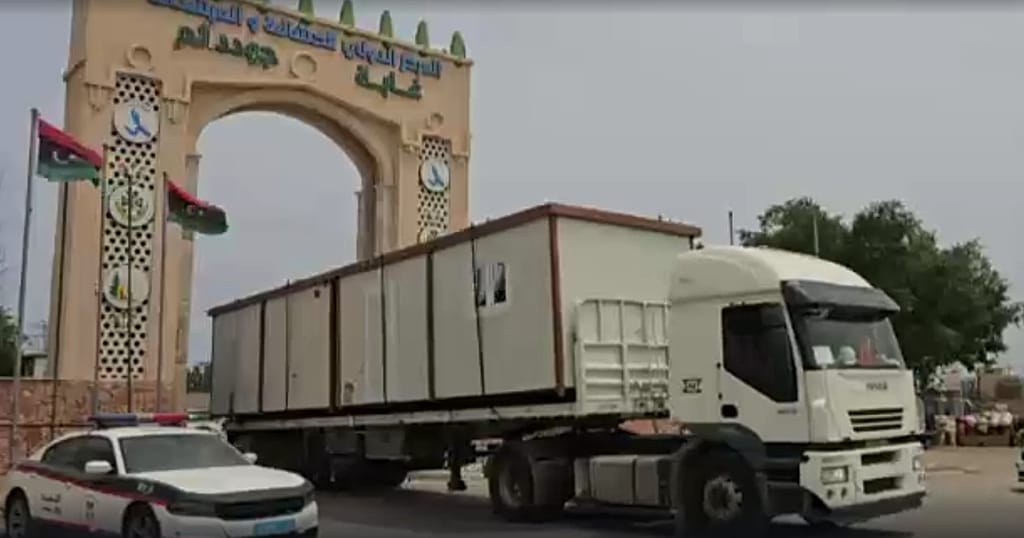
A land convoy of approximately 200 activists departed from Zalitan in western Libya on Saturday, heading toward the Gaza Strip as part of a broader international effort aimed at challenging the blockade of the Hamas-ruled territory. The convoy, organized under the banner of the Global Sumud Flotilla, consists of 30 vehicles including 20 mobile homes, seven ambulances and medical transport vehicles, and other support vehicles carrying participants from 25 countries ranging from Europe, Asia, Africa, and the Americas.
The convoy is moving eastward through Libya, with planned stops in Sirte before attempting to reach the Rafah crossing into Gaza. According to the Global Sumud Flotilla, the delegation includes doctors, nurses, engineers, and builders who intend to deliver humanitarian aid and construction assistance to the besieged strip. Ahmed Ghaniya, a member of the GSF Steering Committee, stated that the convoy is being supported by local hosts and the Libyan Red Crescent Society, which has provided essential logistical coordination for the journey through Libyan territory. The land effort is running parallel to a maritime flotilla of 54 vessels that departed from Turkey on Thursday. That naval effort follows a previous attempt in April, when the Israeli Navy intercepted 20 activist vessels before they could reach Gaza, detaining their crews and confiscating their cargo.
Ghaniya declared that the activists' goal is clear: to reach Gaza and break the siege. Among the participants is Turkish activist Ahmet Aydan Bekar, who took part in the 2010 Mavi Marmara blockade run, underscoring the long and often dangerous history of such efforts. Nkosi Zwelivelile Mandela, the grandson of Nelson Mandela and a past flotilla participant, said on social media that the mission aims to deliver humanitarian aid and push for the free flow of assistance into Gaza. He also called for the release of all Palestinian prisoners. Mandela stated that no amount of interception, arrest, or intimidation would silence the activists. The Libyan Red Crescent has reportedly provided significant logistical support for the convoy's passage through Libyan territory, marking an important institutional endorsement of the effort.
The convoy faces significant logistical and political obstacles that have derailed similar efforts in the past. A much larger Maghreb Resilience Convoy left Tunisia in June with around 300 vehicles and thousands of activists but stalled in Sirte after Libyan forces denied passage through the area. Organizers later disbanded that effort after Egyptian officials rejected proposals to enter the country through official channels. Previous attempts to march to Rafah from Egypt resulted in the arrest and deportation of around 200 activists, with some clashing with Egyptian security forces near the Ismailia checkpoint. Israel maintains that there are no restrictions on humanitarian aid entering Gaza, with the Coordinator of Government Activities in the Territories stating that 600 aid trucks enter the strip daily. Given Libya's complex internal security conditions, Egypt's previous refusal to allow activist marches toward Gaza, and Israel's stated opposition to blockade-breaking efforts, the convoy's chances of ultimately reaching Rafah remain highly uncertain.
The departure of the Libyan convoy highlights the continued international pressure surrounding the humanitarian situation in Gaza and the determination of civil society actors to challenge restrictions on aid delivery, despite the formidable diplomatic and military barriers that have thwarted similar efforts in the past. The coming days will test whether this latest attempt can navigate the complex web of regional politics that has blocked previous convoys.