طقم أدوات كهربائية بقوة 48 فولت
وفر 23%! اشترِ طقم أدوات كهربائية بقوة 48 فولت بسعر 549 د.ل فقط في ليبيا. متوفر
🛒 تسوق الآن Libya Press
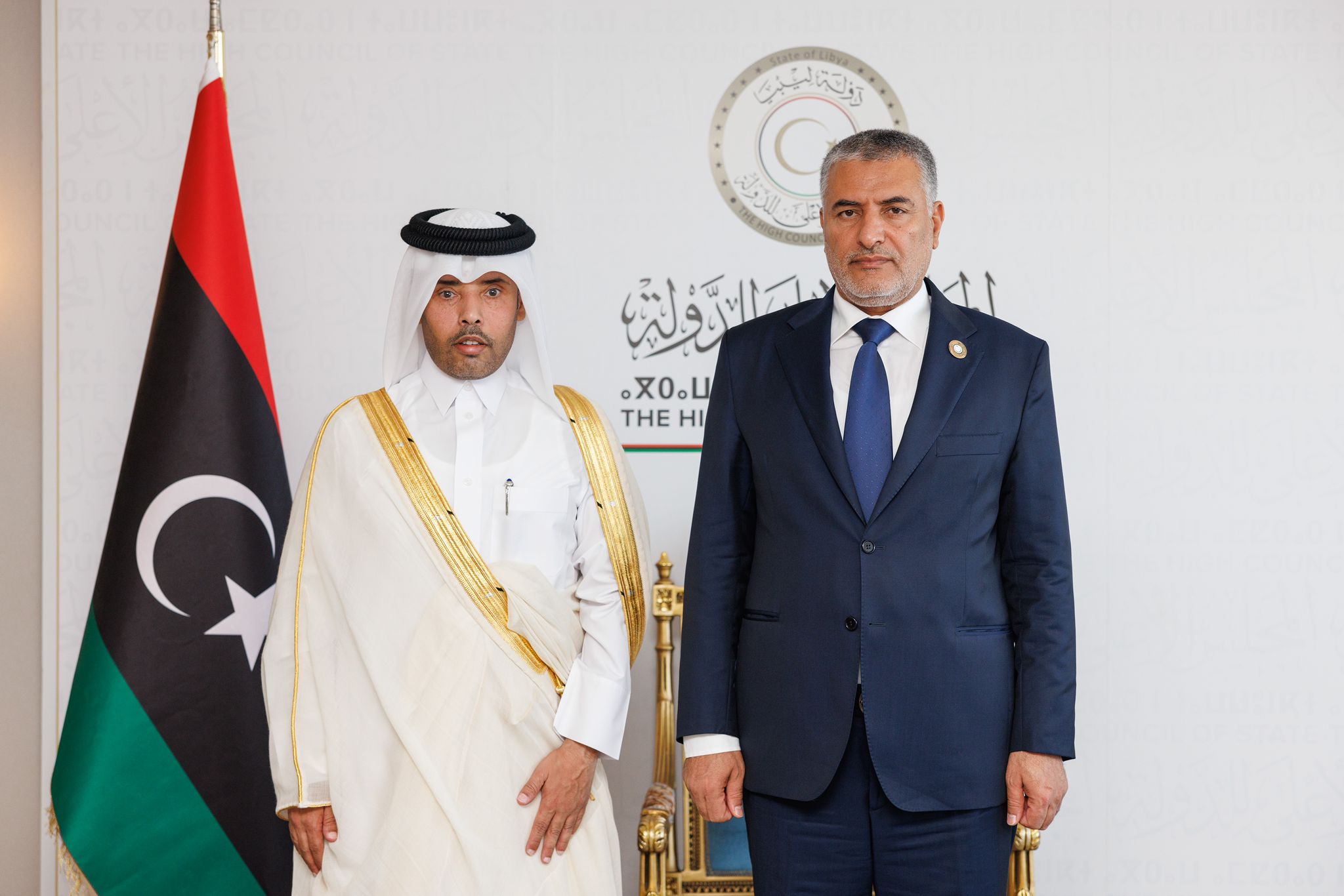
The Defense and National Security Committee (DNSC) of the Libyan House of Representatives has issued a strong condemnation of the United Nations Support Mission in Libya (UNSMIL) for signing a funding agreement with the Qatari government, calling it a "serious violation of neutrality" and an act of "blatant interference" in Libya's national sovereignty. The deal, signed in Tripoli on November 17, 2025, between Qatar's Ambassador Khaled Al Dosari and UNDP Resident Representative Sophie Kemkhadze, aims to fund a project titled "Assistance to the Political Dialogue and Civic Engagement" — a move that has ignited fierce backlash from eastern Libyan lawmakers.
The controversial funding agreement was signed in the Libyan capital by Qatar's Ambassador to Libya Khaled Al Dosari and UNDP Resident Representative Sophie Kemkhadze. The deal claims to support a joint project termed "Assistance to the Political Dialogue and Civic Engagement," intended to advance the UNSMIL-facilitated Roadmap that was presented to the UN Security Council on August 21, 2025. UNSMIL chief Hanna Tetteh welcomed the signing in a post on X, stating the funding would contribute to implementing the Roadmap. However, the DNSC responded sharply, stating that the agreement represents "a serious violation of the principles of neutrality and professionalism" that the UN mission must uphold. The committee further accused UNSMIL of "attempting to internationalize the Libyan crisis through dubious means aimed at imposing foreign agendas" that conflict with the interests of the Libyan people.
The DNSC expressed "complete rejection" of what it described as foreign interference in Libya's internal affairs, stressing that involving a foreign state in funding a political process that is supposed to be "Libyan-led, Libyan-owned" threatens the entire political process. The committee warned of unspecified repercussions and called for a comprehensive review of UNSMIL's role in Libya. The DNSC also affirmed its full support for the statement issued by Osama Hammad, Prime Minister of the Libyan Government in eastern Libya, regarding the cessation of dealings with UNSMIL. Hammad's government demanded a reassessment of the mission's continued presence should it continue to exceed its mandate and show bias. Meanwhile, ordinary Libyans have grown increasingly skeptical of the UN mission's role, with many viewing UNSMIL as a factor prolonging the political crisis rather than resolving it.
The controversy deepens an already fraught relationship between Libya's eastern-based institutions and the United Nations mission. With UNSMIL yet to make the full terms and conditions of the funding agreement public, transparency concerns continue to fuel suspicion among Libyan stakeholders. The dispute also complicates UN envoy Hanna Tetteh's efforts to revive the stalled political track through consultations focused on advancing a roadmap toward elections and unified state institutions. Any lasting resolution will require rebuilding trust between Libyan factions and international actors, ensuring that foreign funding mechanisms are transparent, and reaffirming the principle that Libya's political future must be determined by Libyans themselves.
The coming weeks will be critical in determining whether UNSMIL can repair its relationship with eastern Libyan lawmakers or whether the funding controversy will further erode the mission's credibility and effectiveness in the country.