
مرتبة هوائية للمقعد الخلفي v2
وفر 7%! اشترِ مرتبة هوائية للمقعد الخلفي v2 بسعر 405.12 د.ل فقط في ليبيا. متوفر
🛒 تسوق الآن Libya Press
Egyptian Foreign Minister Badr Abdel-Aty and Turkish Foreign Minister Hakan Fidan held a phone call on Sunday, July 12, 2026, with the Libyan file topping the agenda of their discussions. The call marks the latest in a series of diplomatic engagements between regional powers seeking to influence the trajectory of Libya's political process.
According to an official statement published by the Egyptian Ministry of Foreign Affairs, both ministers affirmed their support for efforts aimed at achieving security and stability in Libya, while emphasising the importance of preserving the unity, sovereignty, and state institutions of the country.
During the conversation, Abdel-Aty and Fidan discussed several critical aspects of the Libyan situation, reflecting the growing coordination between Cairo and Ankara on North African affairs. The Egyptian Foreign Ministry confirmed that the two ministers explored ways to enhance consultation mechanisms between Egypt and Turkey on issues of mutual concern.
The Egyptian-Turkish discussions extended beyond the Libyan file to encompass a range of pressing regional matters. The two foreign ministers exchanged views on the situations in Syria, Lebanon, and Sudan, as well as the Palestinian issue, according to the statement published on the ministry's official Facebook page.
"Both sides affirmed their commitment to continued consultation and coordination on various regional and international issues, in a manner that serves the common interests of both countries," the statement read.
This phone call comes amid a wave of intensified diplomatic activity surrounding Libya. In recent weeks, Egypt has hosted the Cairo Quadrilateral Meeting involving Egypt, Saudi Arabia, Turkey, and the United States, while also engaging with UN Special Envoys and Libyan political leaders across the spectrum.
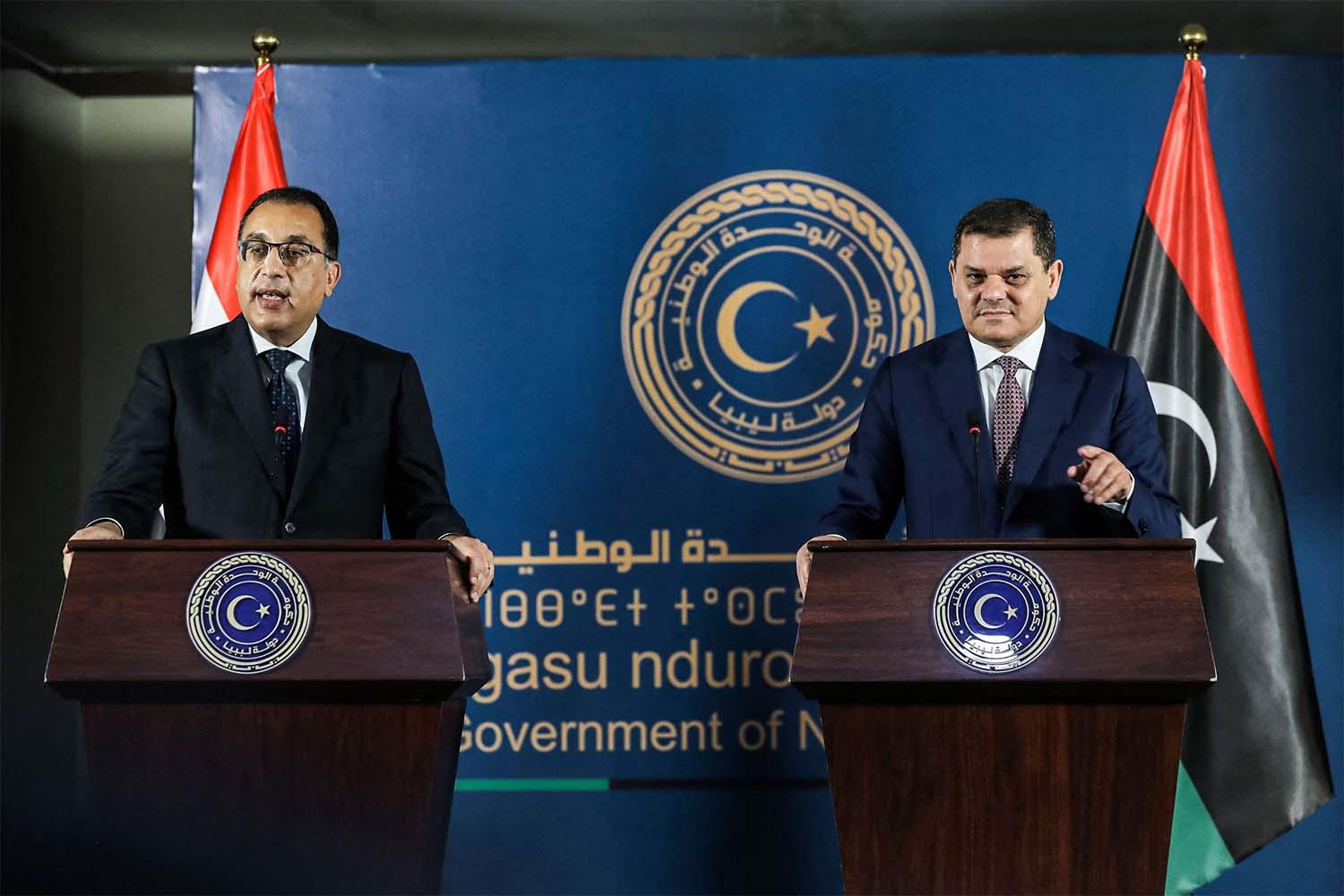
Egypt has increasingly positioned itself as a central mediator in the Libyan file. As a direct neighbour with deep historical ties, Cairo views stability in Libya as a matter of national security. The Egyptian intelligence chief recently visited Tripoli for talks with Government of National Unity Prime Minister Abdul Hamid Dbeibah, signalling Cairo's hands-on approach.
Analysts note that Egypt's diplomatic push aligns with a broader regional vision prioritising the preservation of the Libyan state, its institutions, and territorial integrity. The Egyptian-Turkish coordination is particularly significant given that Ankara and Cairo have historically backed different factions in Libya's complex political landscape.
The unified stance expressed by Egypt and Turkey on Libyan unity comes at a crucial juncture. Multiple initiatives — including the Tripartite Roadmap backed by Egyptian and Saudi Arabia, and the American initiative focused on power-sharing — continue to shape discussions about Libya's political transition.
International observers have noted that consensus among key regional players like Egypt and Turkey could provide the necessary momentum for advancing stalled political processes in Libya. The commitment to Libyan sovereignty and institution-building, as reaffirmed in Sunday's call, may help create a more conducive environment for the UN-facilitated political dialogue.
As Libya approaches potential electoral milestones in 2027, the alignment of regional powers behind a unified Libyan state could prove critical in overcoming current political deadlocks and delivering the stability that Libyans have long awaited.
— Libya Press / Politics Desk