
خرطوم مياه قابل للتمدد من ماجيك هوز
وفر 19%! اشترِ خرطوم مياه قابل للتمدد من ماجيك هوز بسعر 268 د.ل فقط في ليبيا. مت
🛒 تسوق الآن Libya Press
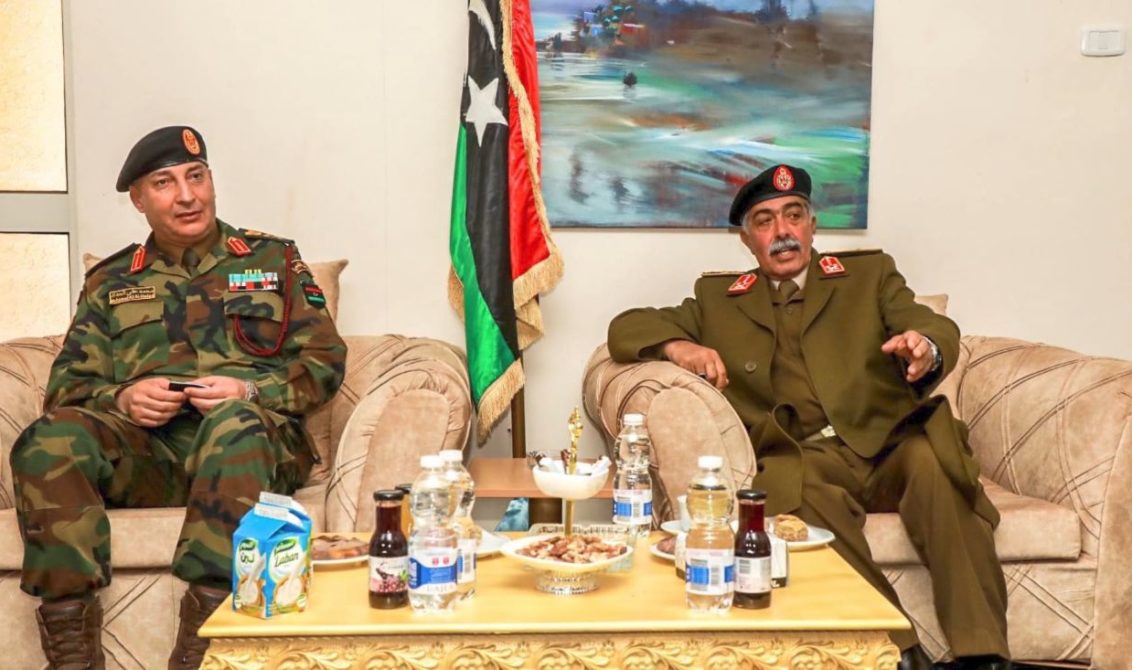
In a significant diplomatic push this month, the Libyan National Army (LNA) and France have held high-level discussions aimed at deepening military cooperation, expanding training programs, and strengthening defense coordination. The talks, which took place both in Paris and at the LNA's General Command headquarters in Benghazi, signal a renewed commitment from both sides to build institutional military capacity and promote regional stability.
According to the LNA's official readout from the Paris meeting, President Macron emphasized the importance of continuing dialogue and coordination between the two sides. He expressed support for initiatives that contribute to consolidating stability in Libya and developing cooperative relations to serve mutual interests and enhance security and stability across the region. Saddam Haftar also held meetings with French Special Envoy Paul Soler, Chief of Staff to the President Vincent Giraud, and Commander of Special Operations Michel Delpit, underscoring the breadth of military-to-military engagement.
For Libya, these talks represent a critical step toward rebuilding its national military institutions after more than a decade of fragmentation. The LNA, which controls much of eastern and southern Libya, has been working to professionalize its forces and establish itself as a credible defense partner. France, which has maintained strategic interests in North Africa and the Sahel, views a stable Libya as essential to counterterrorism efforts and migration management across the region. The dual-track engagement — both at the presidential level in Paris and at the military command level in Benghazi — demonstrates that both nations are serious about translating diplomatic rhetoric into concrete defense cooperation.
The expanded military partnership comes at a pivotal moment for Libya's political process. With the country still navigating a complex transition toward elections and unified governance, the role of professional military institutions remains central to any lasting peace. France's support for armed forces unification aligns with broader international efforts led by the United Nations to consolidate Libya's fragmented security architecture. However, the engagement also raises questions about balancing relationships with multiple international partners, as Libya seeks to diversify its defense ties without becoming overly dependent on any single foreign power.
Both parties stressed the importance of maintaining regular consultations to advance common interests. The French Embassy stated that the meetings provided an opportunity to discuss, at the highest level, the future of bilateral military cooperation between the two countries. As Libya continues its path toward stability, the deepening defense relationship with France could serve as a model for constructive international engagement — one that prioritizes institutional capacity building over short-term political gains. For Libyans watching these developments, the hope is that such partnerships translate into tangible improvements in security and governance on the ground.
— LibyaPress / Security Desk