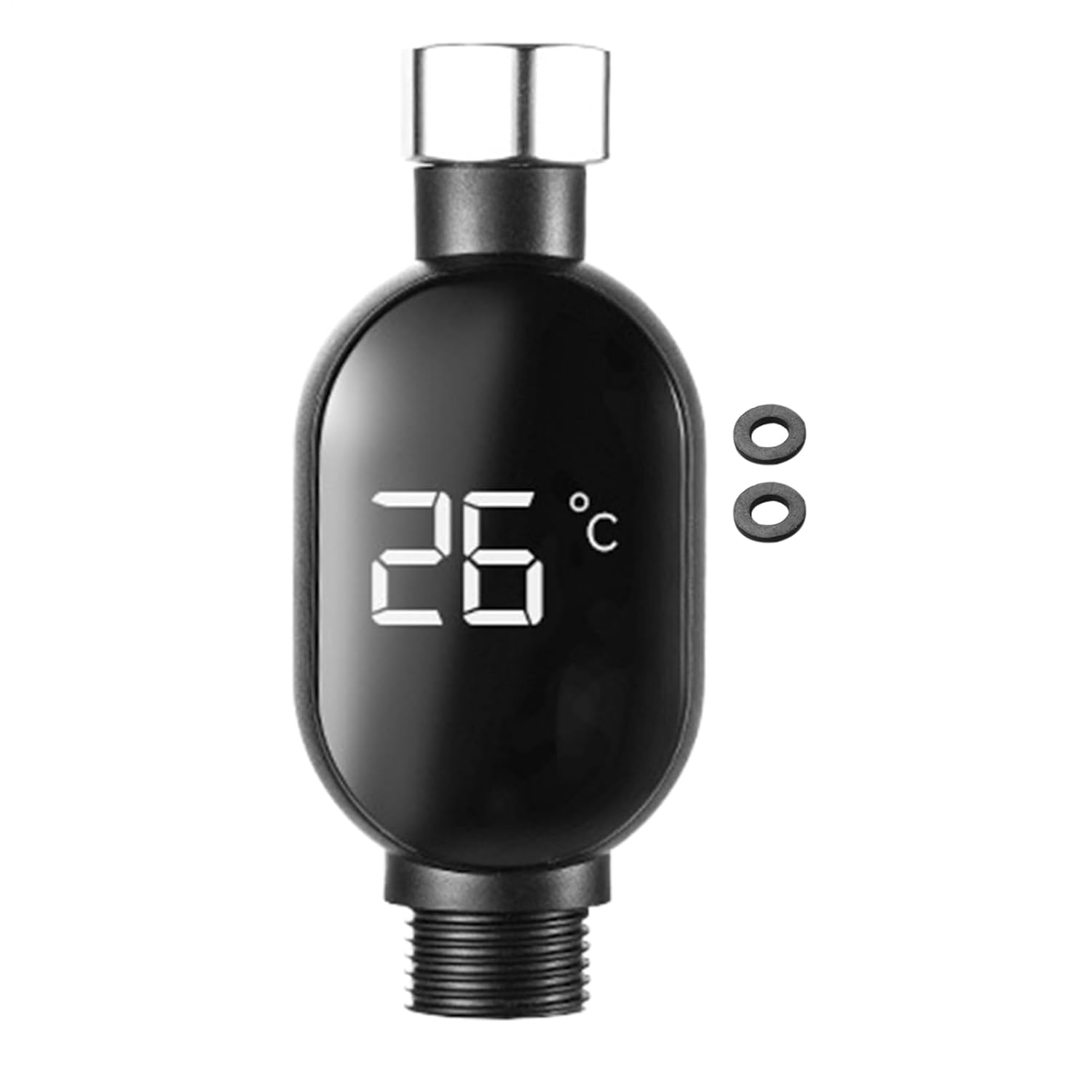
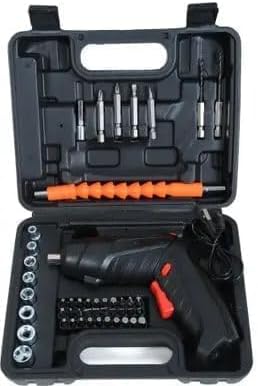
شنطة مفك كهربائي
وفر 6%! اشترِ شنطة مفك كهربائي بسعر 286.08 د.ل فقط في ليبيا. متوفر حالياً، الدفع
🛒 تسوق الآن Libya Press
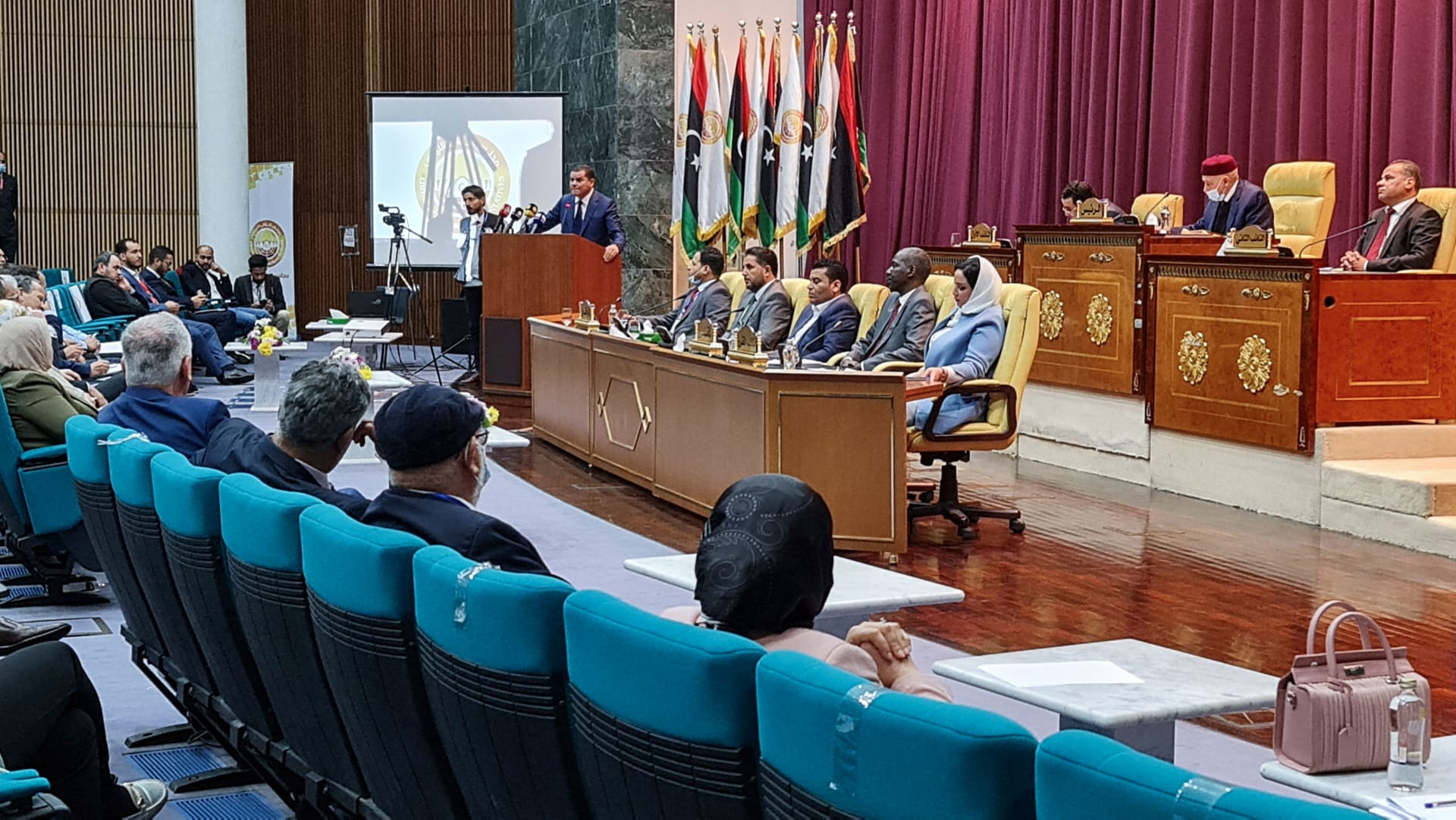
The speaker of Libya's House of Representatives, Ageela Saleh, has urged the neutralization of sovereign security bodies amid escalating political tug-of-war between rival administrations. According to a report by Panapress news agency, Saleh warned that the continued politicization of security institutions threatens national stability and delays efforts toward unified governance.
The call comes as Libya remains split between the Government of National Unity in Tripoli and the parallel administration in the east, each backed by different armed factions and foreign actors. Sovereign security bodies, which include the military, intelligence services, and border guards, have increasingly become politicized, undermining their professional mandates.
Sovereign security institutions are tasked with safeguarding national sovereignty, securing borders, and maintaining internal order independent of political affiliations. In Libya, these forces have historically played a stabilizing role, but years of conflict have eroded their neutrality.
Analysts warn that when security forces align with political factions, the risk of armed confrontations increases, and the prospects for a unified national army diminish. Saleh emphasized that depoliticizing these bodies is essential for any meaningful progress toward elections and national reconciliation.
The politicization of security has contributed to repeated outbreaks of violence in cities like Tripoli, Benghazi, and Sirte. Civil society groups have repeatedly called for security sector reform as a prerequisite for lasting peace.
International observers, including the United Nations Support Mission in Libya (UNSMIL), have echoed similar concerns, urging Libyan leaders to prioritize security sector reform in any political dialogue.
In recent months, tensions have flared over control of key institutions such as the Central Bank and the National Oil Corporation. Saleh's statement reflects growing frustration among eastern-based leaders who feel marginalized by western-backed institutions.
He urged all parties to refrain from using security apparatuses as leverage in negotiations and to allow these bodies to perform their duties based on national interest rather than political allegiance.
Saleh proposed the formation of a joint committee comprising representatives from the House of Representatives, the High Council of State, and military leadership to oversee the depoliticization process.
Such a committee could establish clear criteria for appointments based on professional merit, implement monitoring mechanisms, and build public trust in security institutions.
As Libya continues its struggle for stability, the neutralization of sovereign security bodies remains a critical step toward creating a secure environment conducive to political dialogue and eventual elections.
Saleh added in his statement, \"We cannot allow weapons to be pointed at each other while we talk about peace. The security forces must serve the homeland, not any faction or individual.\"
Since the 2011 uprising, Libya's security apparatus has undergone repeated cycles of politicization. Various militias have been integrated into state structures only to later split along regional or ideological lines.
Efforts to unify the military under the 5+5 Joint Military Commission have seen limited success, with sporadic clashes continuing to erupt despite ceasefire agreements.
Experts argue that without a concerted effort to depoliticize security institutions, any political agreement will remain fragile and prone to collapse.
The call for neutralization comes at a time when Libya is preparing forging to establish a unified government capable of holding elections and rebuilding the war-torn nation.
— Libya Press / Politics Desk