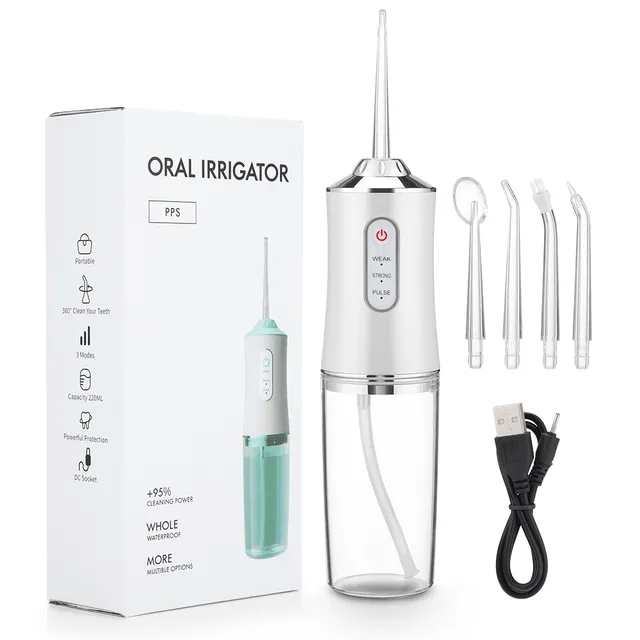
جهاز تنظيف الأسنان بالماء
وفر 23%! اشترِ جهاز تنظيف الأسنان بالماء بسعر 248 د.ل فقط في ليبيا. متوفر حالياً
🛒 تسوق الآن Libya Press
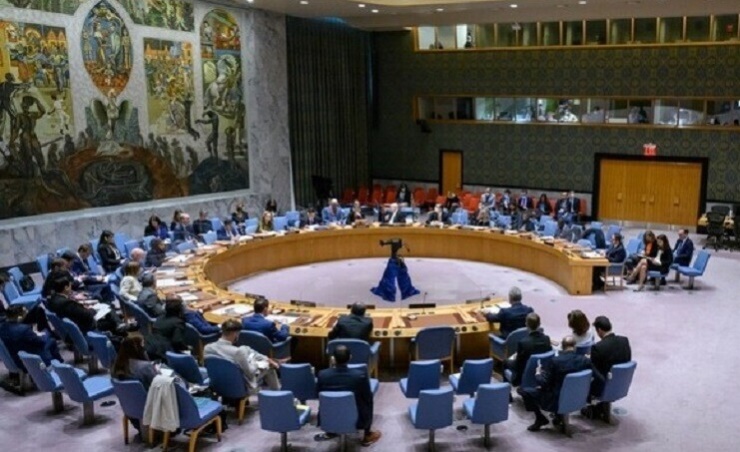
The United Nations Security Council has unanimously extended the mandate of the UN Support Mission in Libya (UNSMIL) through October 31, 2026, reaffirming the international community's commitment to supporting Libya's political transition after more than a decade of institutional division. The extension comes as the country's rival governments remain deadlocked over the framework for holding national elections — a stalemate that has persisted since the indefinite postponement of the 2021 presidential and parliamentary votes.
UNSMIL, established in September 2011 following the fall of Muammar Gaddafi, serves as the UN's special political mission tasked with facilitating an inclusive political process, supporting ceasefire implementation, and promoting national reconciliation. The mission is led by Special Representative of the Secretary-General Hanna Serwaa Tetteh, who was appointed in January 2025 and has since spearheaded a renewed diplomatic push to break Libya's political impasse.
The mandate renewal, adopted under Resolution 2796, maintains UNSMIL's core tasks as set out in Resolution 2542 of September 2020. These include supporting the adoption of a viable electoral framework for presidential and legislative elections, unifying state institutions, and facilitating structured dialogue on governance, economic, security, and reconciliation issues.
The resolution follows a strategic review submitted by Secretary-General António Guterres on September 30, 2025, which recommended streamlining the mission's workstreams to prioritize supporting a sustainable political process. The review emphasized the importance of the economic track to Libya's long-term stability and the need for UNSMIL to leverage the UN's convening power through the Berlin Process.
In a significant development this month, UNSMIL's Structured Dialogue concluded its final plenary session in Tripoli, presenting concrete recommendations for enabling national elections, unifying state institutions, and addressing long-standing conflict drivers. The Dialogue, launched in December 2025, logged hundreds of hours of discussions across four tracks focused on governance, economic reform, security, and reconciliation.
"What began as a shared commitment has grown into a dynamic and meaningful process driven by your dedication and your belief in your country's future," SRSG Hanna Tetteh said during her opening remarks. Thirty-five percent of the Dialogue's members were women — a notable figure in a region where women's political participation remains a persistent challenge.
Despite these diplomatic efforts, Libya's fundamental political divide remains unresolved. The country is split between the UN-recognized Government of National Unity based in Tripoli led by Prime Minister Abdul Hamid Dbeibah, and the eastern-based Government of National Stability led by Prime Minister Osama Hamad and backed by the House of Representatives and the Libyan National Army under General Khalifa Haftar.
The two sides remain deadlocked over proposed electoral legislation and the contentious proposal to form a unified interim government to organize elections. In her April briefing to the Security Council, Tetteh described progress on the political roadmap as "inadequate," underscoring the depth of the challenge facing mediators.
The extension of UNSMIL's mandate represents the international community's recognition that Libya cannot achieve stability without sustained diplomatic engagement. The Structured Dialogue's recommendations provide a potential roadmap forward, but their implementation depends on political will from Libya's rival factions.
The coming months will be critical. The Security Council is expected to hold its 60-day briefing on Libya in June, where SRSG Tetteh will present her assessment of whether the Dialogue's recommendations can translate into tangible political progress for millions of Libyans awaiting a path toward elections and stability.
— LibyaPress / Politics Desk